Updated Aug 6, 2026

Stridewise
Boots, Denim and Casual Stuff
Editor’s note: This is an op-ed written by an honest-to-God bootmaker, check out his wide-foot philosophy made manifest at Naang Boots.
Your foot is widest at its toes, but your boot isn’t. Think about that
If that sounds strange, that’s because it is.
Take a look at your foot, now take a look at the shape of your boots.

Not even close. Somehow, over the centuries humans have been making boots, we decided this narrow, curved toe is the way it should be.
What’s even stranger is that most of us think this is normal. Why are we not asking why our boots and shoes look nothing like our feet?
Your toes are meant to spread when you load them — that’s how you balance and push off. A narrow toe box takes that away and calls it a fit. It’s like wearing a mitten a size too small: everything sort of works, but you’re not playing a piano solo.
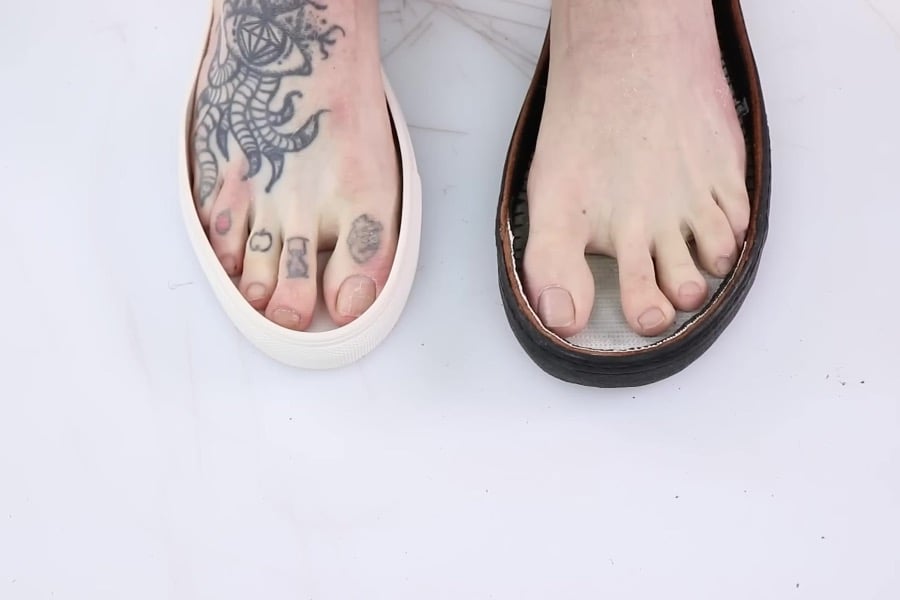
Take a look at your foot while standing. You’ll notice that your foot is widest at the forefoot, right where your toes begin and splay out. Now gaze back and you will notice that your foot tapers towards your much-more-narrow heel.
This is by design: your forefoot plays a key role in your balance and stability. It’s what you push off with to propel yourself forward when you’re running or walking.
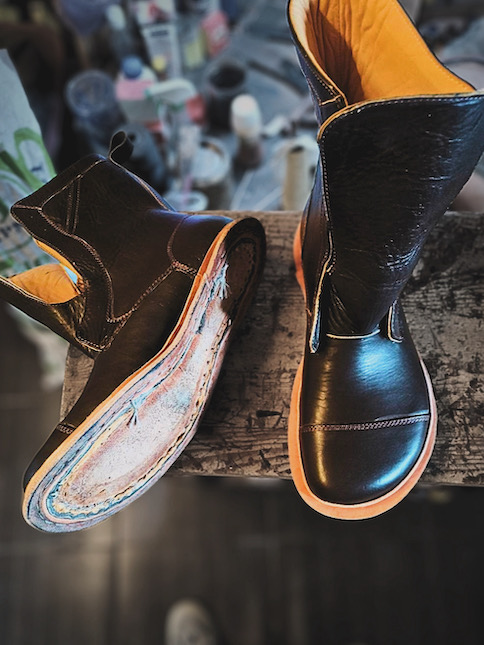
Your toes are spread out to distribute force and are constantly moving to help ensure balance. They need room to do this.
So, if you are taking the shape and function of your foot into account when designing boots, you would not end up with a narrow, rounded toe box that tapers in past your toes. It would be wide and asymmetrical, just like your foot.
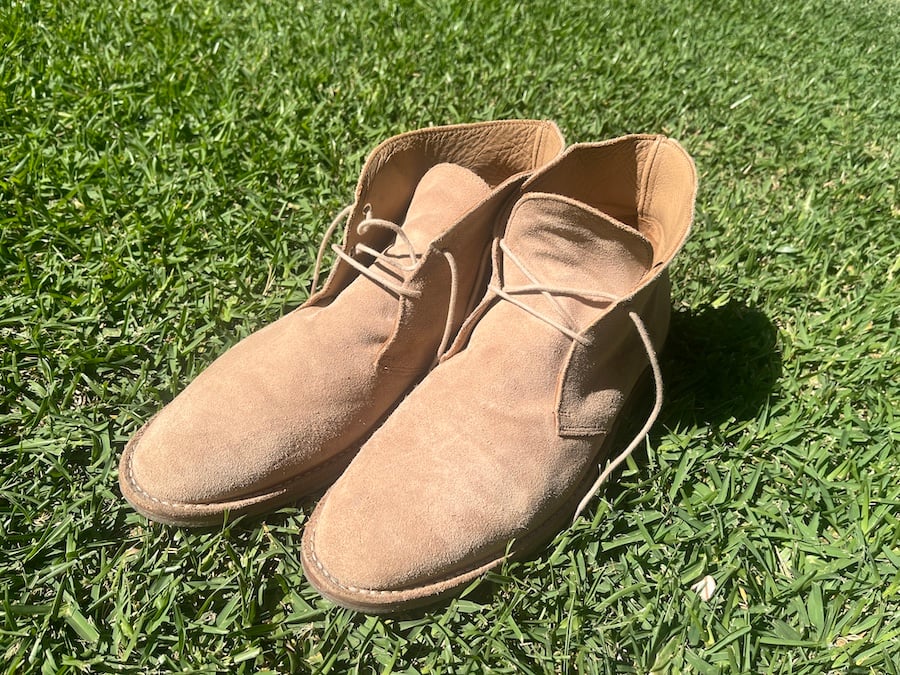
Now compare the shape of your foot to the shape of a typical boot.
You will probably notice that the widest part of your boot is either at or just behind the ball of your foot. And then it does something strange. It starts to taper in, to get more narrow, and it rounds out in a symmetrical way that looks nothing like your foot.
Even boots that we often think of as having wide toeboxes will follow this same shape, not the actual shape of our feet.
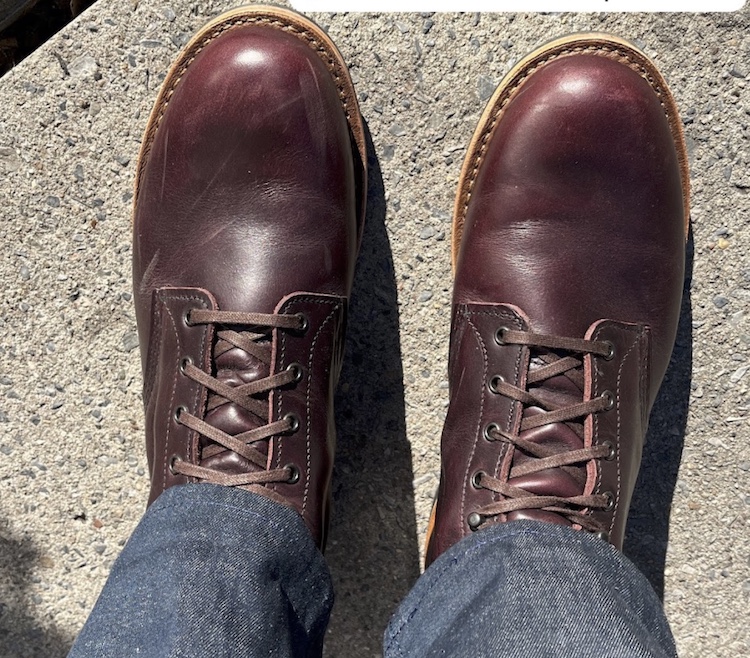
Just because a boot has a wide toebox and a lot of volume doesn’t mean its shape is letting your foot function how it wants to.
A lot of people think that if a boot feels spacious, it gives your foot all the room it needs to function properly. But just because a boot has a wide toebox and a lot of volume doesn’t mean its shape is letting your foot function how it wants to. That taper in the toebox is still preventing your toes from splaying out and doing their job.
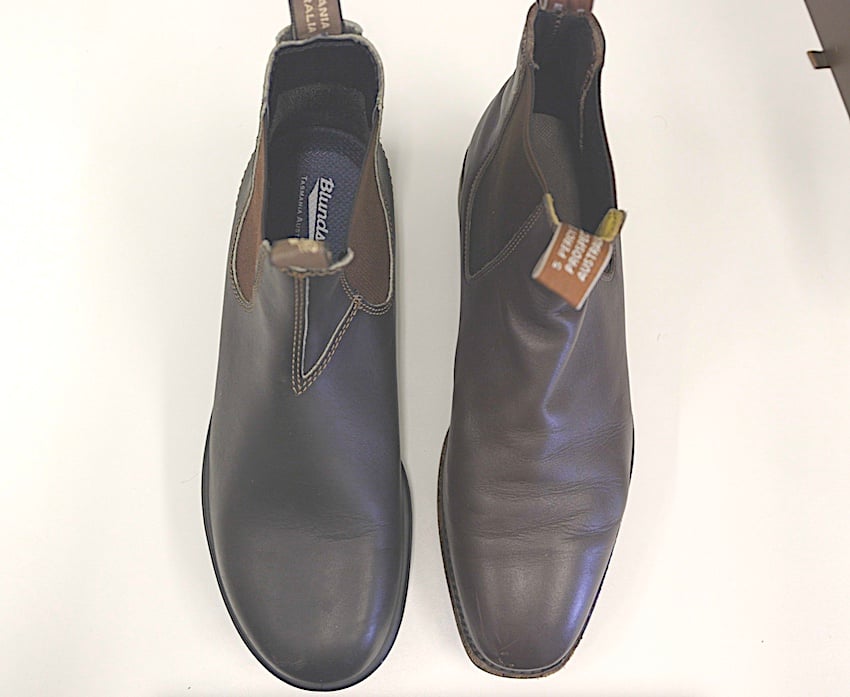
The big kicker is this isn’t something you are going to notice just trying a new pair of boots on in the store and walking around for a few minutes. The real drawbacks of that narrow toebox and curved shape are going to become apparent at the worst possible time: on a long hike or in the middle of a 12-hour shift.
That’s when you notice that little pinching pain in your toes that intensifies with every step…

If your foot is naturally widest at the toes, it raises an obvious question:
Why do so many boots have a design counter to that?
The answer is that most footwear was not designed with the foot’s optimal function in mind. Like almost everything we wear, design is influenced by a combination of aesthetics, practical requirements, manufacturing, and consumer expectations.
Most of the time, a boot looks the way it does because it’s what people thought looked good. As time passed, those influences became so deeply embedded in footwear tradition and design that most of us stopped questioning them altogether.
Now, in some cases, narrow toe boxes served a purpose: for example, you’ll sometimes hear that riding boots are pointier to make it easier to slip them into stirrups.
That wouldn’t make the design wrong, but it makes it very specific — and a toe shape that makes sense for a rider may not be the ideal shape for someone clocking ten thousand steps a day.
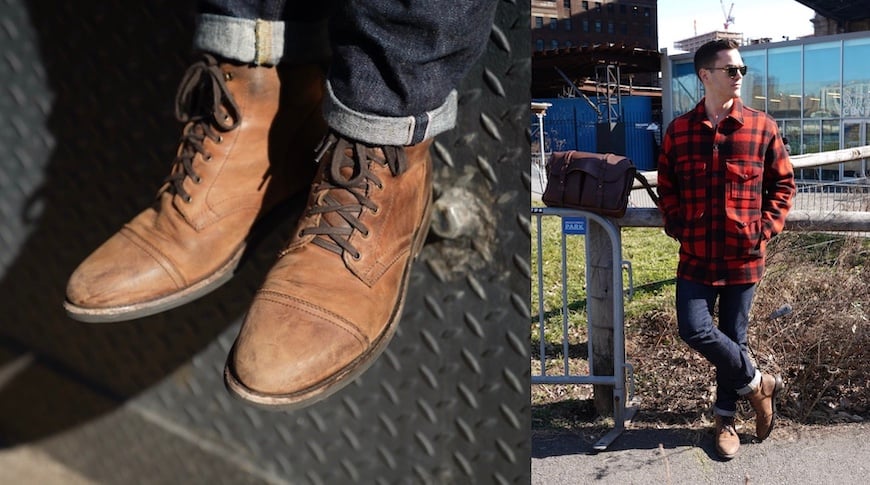
Pointed toes, almond-shaped toes, square toes, chisel toes, and countless variations have come and gone (and come back again) with changing tastes and trends.
And after all, these are the boots people bought. Therefore, bootmakers kept making them, and more people bought them, so bootmakers kept making more of them.
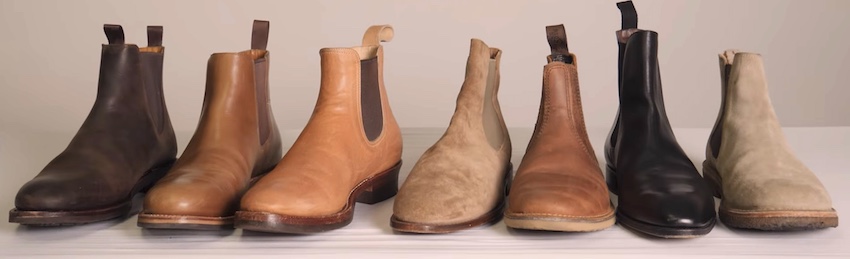
Once something has always been the norm, people are very unlikely to question it. When’s the last time you asked why your shirt closes with buttons?
But once people are exposed to footwear that matches the natural shape of the foot, the experience is so much better that they can’t help but start questioning: why don’t our boots look like our feet?
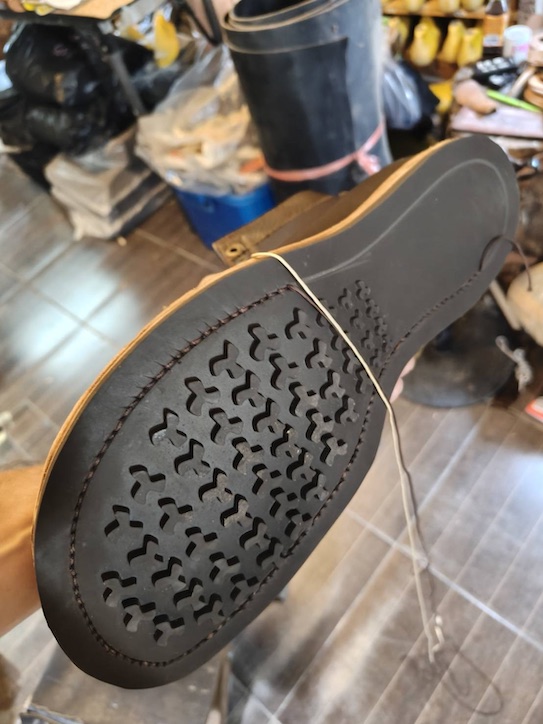
The toes are not just some decorative attachments dangling off the front of the foot. They play an active role in balance, stability, and movement. The toes help create a wider base of support and contribute to stability during movement.
Research has found that adding 3mm to a sneaker’s toe box improved movement performance and force transmission during athletic tasks.
But, like resistance training and cardiovascular health, anatomical footwear isn’t just something that athletes should think about.
Boots that don’t fit your foot properly affect more than your long-term athleticism: they affect your short-term comfort!
The most common complaint I hear from people when they come see me to get fitted for a pair of boots built on our anatomical last is that their regular boots cause cramping and pressure around the forefoot.
And a boot with a wider toe means even more comfort and stability.
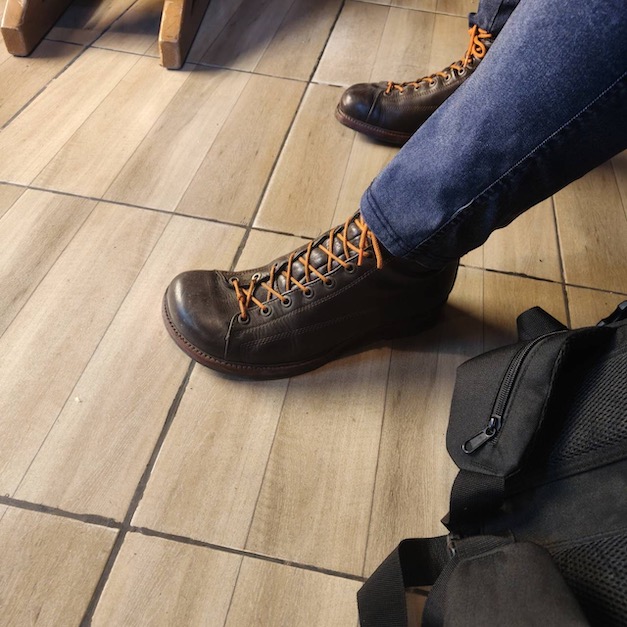
No, lots of people wear boots because they’re good for foot health. I’m saying that boots with anatomical toe boxes are even better.
To be fair, a tapered toe box doesn’t always force the toes into an extreme position — many brands just make the boot longer so that it tapers to a point long after your toes end.
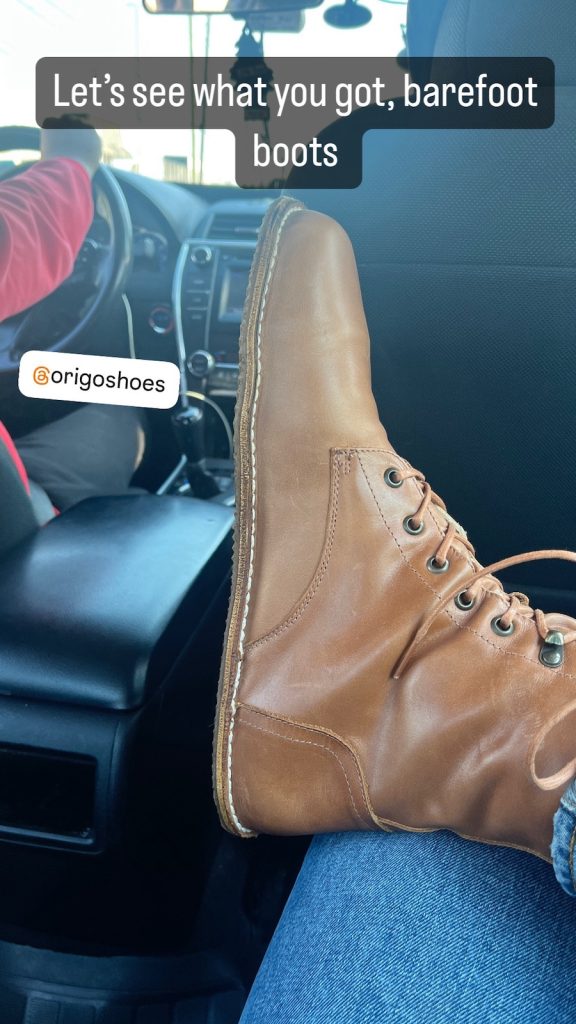
The barefoot footwear movement deserves a metric ton of credit for bringing attention back to toe box shape.
For decades, most of the footwear industry focused on materials and construction — not shape.
Barefoot brands changed that.

Barefoot doesn’t just mean an anatomical toe box, it also means a very thin sole, zero drop heel, and very little structure, emphasizing flexibility and ground feel — so that it feels more like you’re barefoot.
That’s the point.
Barefoot boots are made with a very thin, very flat sole under you, and strips out most of the structure — no raised heel, no shank, minimal midsole, almost nothing between your foot and the ground.
But notice that only the first of those things has anything to do with the shape of your foot.
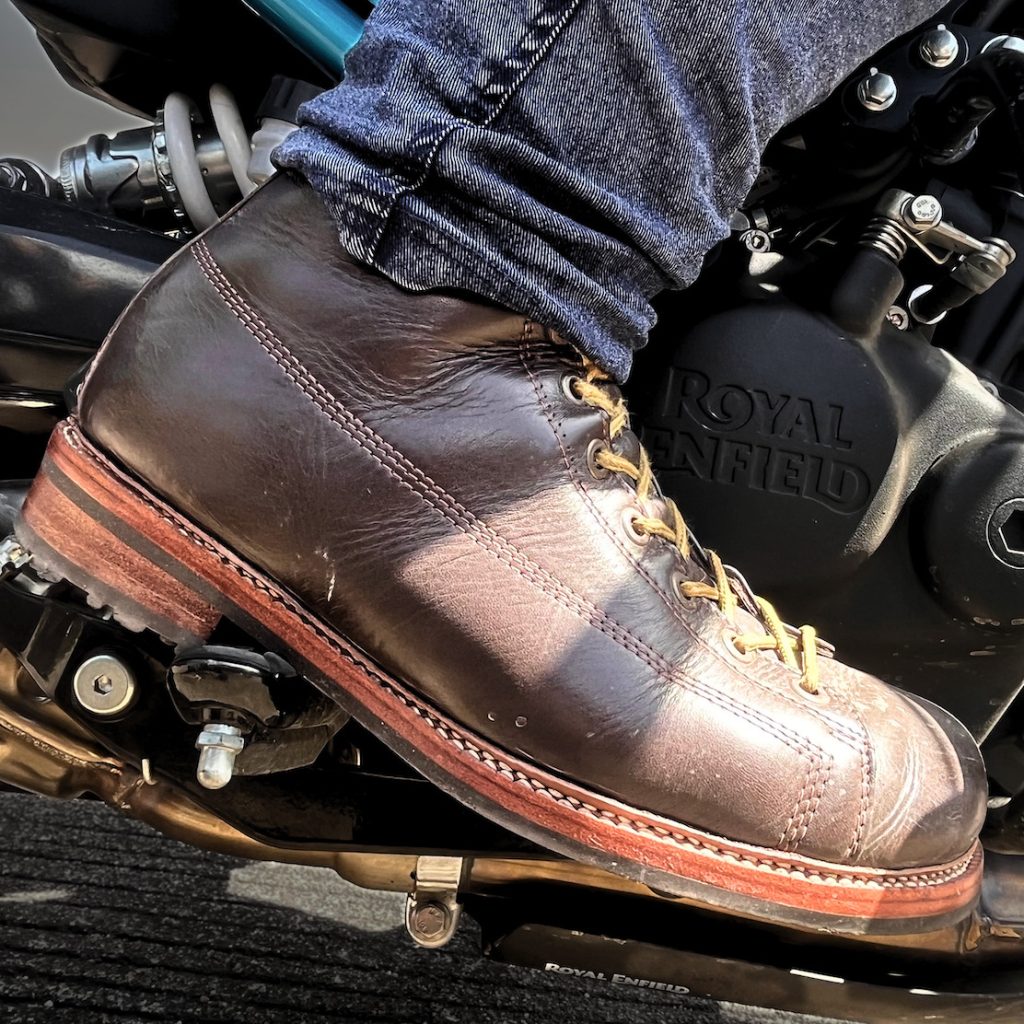
Over time, foot-shaped became synonymous with barefoot. But those ideas were never actually the same thing. Not everyone who wants a roomy toe box wants a minimalist barefoot construction.
Our own customers make this obvious — when Allan and I started, I thought that the vast majority of them would want a zero drop heel, but it’s really 50/50.
In fact, many are looking for exactly the opposite of the minimalist barefoot construction. They want a substantial leather insole and heel. They want a rugged, structured boot that is much closer to a traditional boot than anything from the barefoot world, they just want it with an anatomical toe box to let their toes have a bit of freedom.
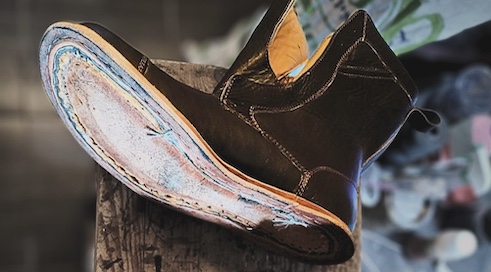
Combining aspects of a traditional boot and an anatomical boot works really well together actually.
A boot can be built around an anatomical last while still incorporating a substantial leather insole, a thick midsole, a shank, a durable outsole, any construction method you want.
They all work together.
Since we started making and testing Naang Boots, we’ve heard remarkably similar feedback from customers across very different backgrounds.
Some describe the boots as feeling more natural. Others say they didn’t realize how cramped their previous footwear had been until they switched. Many simply comment on how comfortable the boots feel over a long day.
Finally being able to find a boot that was designed for their foot shape has made all the difference for those customers.
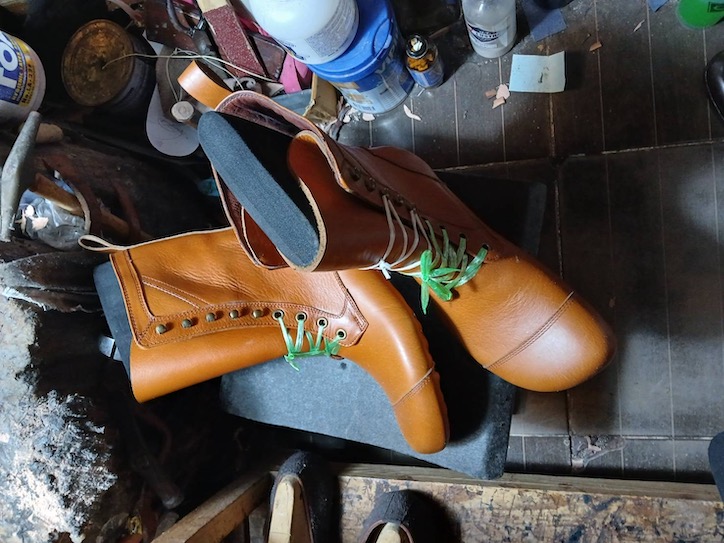
For a century the industry accepted a contradiction: our feet are widest at the toes, our boots aren’t. Some of that was fashion, some was specialized use cases like riding boots, most was just tradition nobody questioned.
The barefoot movement deserves credit for reopening that conversation. But I don’t think the future of boot design is barefoot, and I don’t think it’s maximalist either. I think it’s more thoughtful — footwear shaped around how feet actually function.
An anatomical toe box is a simple fix: more room where the foot needs it.

Dana is the designer, creative director, and co-founder of Naang Boots.

by Nick English
Founded in 2018 to help men buy the best boots, we’ve since expanded our team and purview to review and celebrate casual footwear and menswear that’s as close to “buy it for life” quality as possible. We take great pride in being a trusted source for information while maintaining complete editorial independence. At no extra cost to you, we might earn a commission from a brand when you purchase through our links, which helps us keep our mission alive. Learn More
Casual Durable™.
Yup, we even trademarked it. Just because you’re dressed down, doesn’t mean you have to dress bad.
This site started to help guys find the best boots for their dollar and has since expanded to cover the highest quality casual menswear, from leather jackets to selvedge jeans to canvas bags — the kind of simple, fashionproof classics that help you get dressed without overthinking your “style.” Read more
Subscribe for an exclusive article to help you find the best deals on quality footwear.