Updated Sep 12, 2026

Stridewise
Boots, Denim and Casual Stuff

Expert Verified By: Ticho Blanco | Boot Photographer & Marketing Consultant
When I bought my first Viberg boots in 2017, they were considered wildly expensive at 700 dollars.
Now they’re $1,300.
But Viberg is the alpha and omega of casual-but-high-quality boots, considered the pinnacle of the category. And when a brand is as coveted as this, they can get away with nearly doubling their prices in ten years — they just opened a store here in Manhattan, so business appears to be booming.
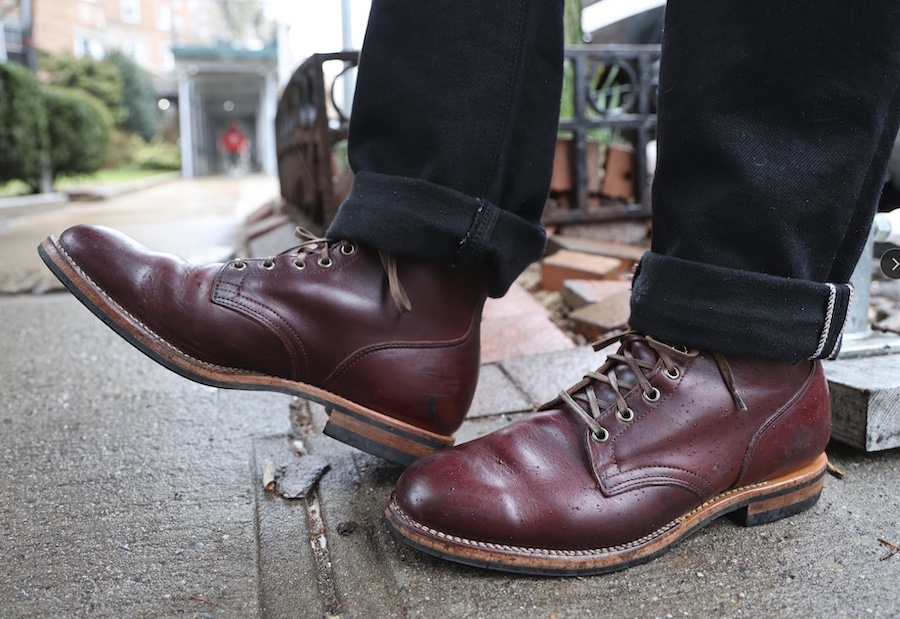
So how did this small, hundred-ish-year-old brand from Vancouver Island become the crème de la crème of casual boots?
I filmed this video below right before they jumped to a thousand bucks, but it should still give you a good idea of their appeal. It’s basically the video version of this article, and afterward I’m going to give you my breakdown of eight years in two pairs of Vibergs, help you avoid my sizing mistakes, get the second opinion of a famous Viberg collector, discuss alternatives, and tell you if I think they’re worth it.
With a boot as famous and complicated as this one, there’s a lot to discuss in a review. Not everyone wants to read a million words about boots, so here’s a summary up top:
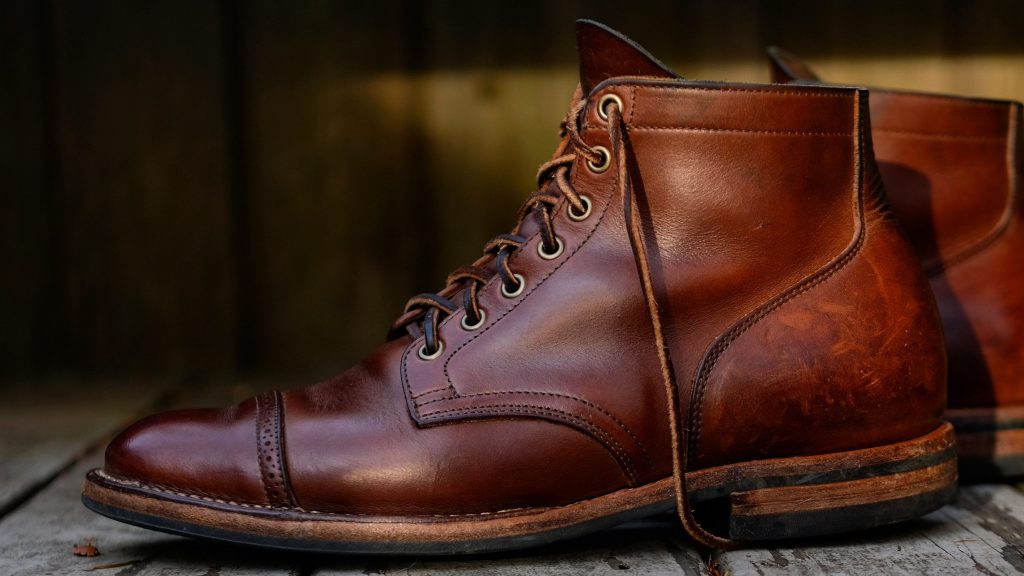

Viberg is synonymous with impeccable quality, high end leathers, laborious handwork, and versatile silhouettes, with their iconic Service Boot defining their brand.
Further Reading

Whether you want good boots that are super wide or great boots that are pretty wide, we’ve got you covered. Learn more →
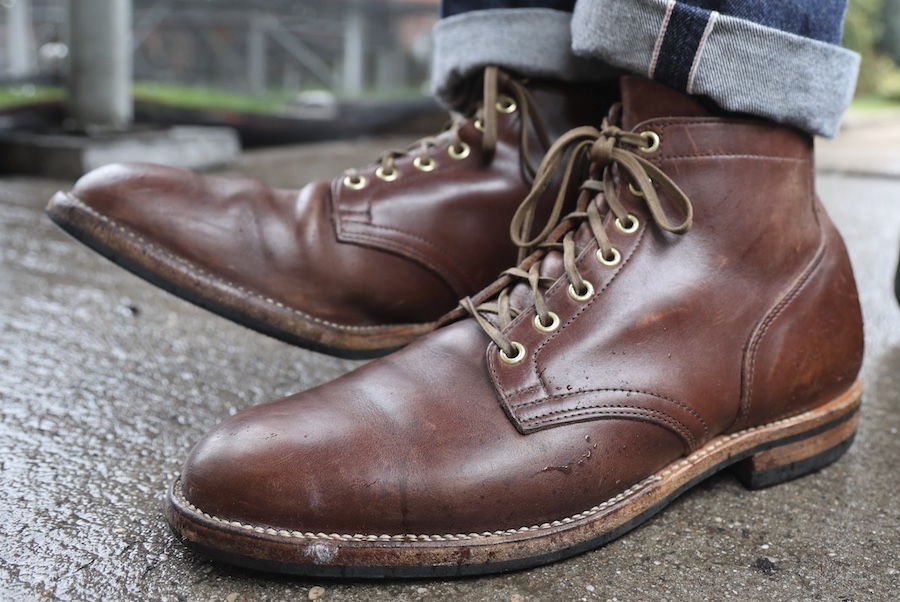
“They pretty much invented this category of elevated quality heritage boots, slim toe service boot styles,” says Ticho Blanco, a boot photographer and marketing consultant.
Work boots are made with an eye toward functionality: ‘is this going to hold up while I’m cutting down trees?’ And with fashion boots, it’s always been about how it’s finished and how it looks.
Viberg took those two worlds and said, ‘We’re going to apply this eye towards finishing and we’re going to make something that has appeal to fashion oriented customers, but with the weight and durability of work boots.’
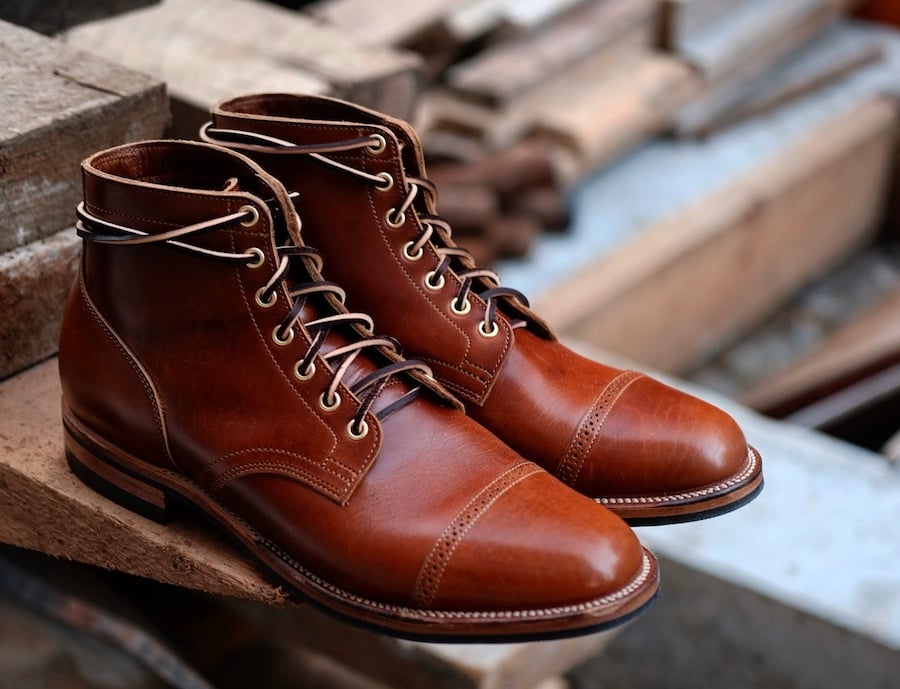
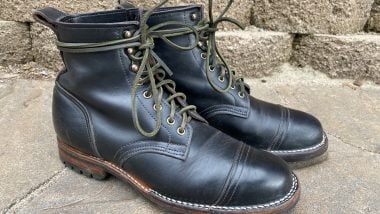
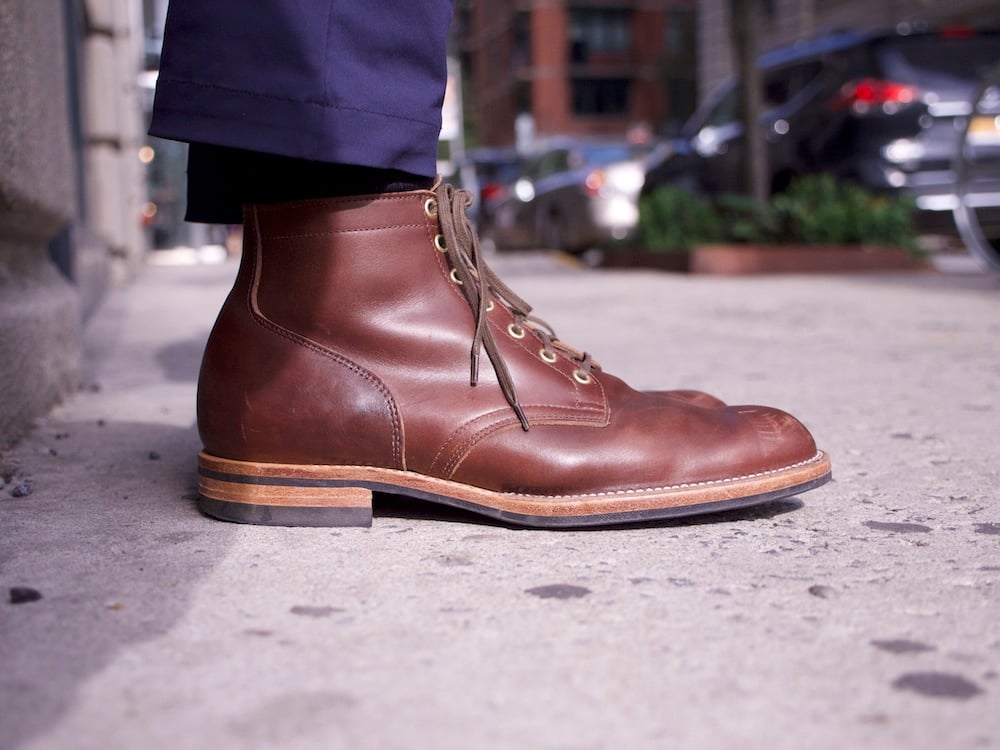
Service boots have a low profile and a slightly refined look, inspired more by World War service members’ boots than chunky work boots. Viberg sells many different models and many different lasts under the name “Service Boot” — a term they actually trademarked — but their flagship is the 2030 Service Boot.
Based on an archival Canadian dress officer last, it’s neither chunky nor pointy, and many find it to be simply the ideal boot: casual enough for a t-shirt, not so casual that you have to wear denim and canvas whenever you put ’em on.
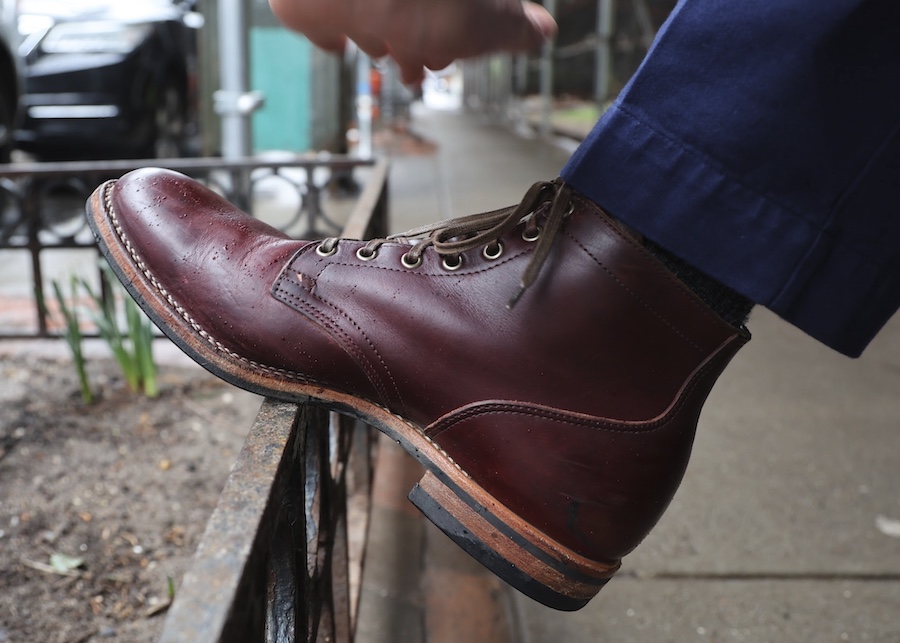
“You still have something that’s heavy duty, made with nice thick internals, and it’s resoleable, it’s very water resistant — but it still looks good,” says Ticho. “They kind of just hit on a formula for it that is pretty ideal for daily wear, especially for more urban folks.”
As Bfettrules said on my YouTube channel:
Viberg to me just has the X factor. My favorite boots are Viberg. I own boots from other brands like Oak Street and RRL. While I like them and they fit great, Viberg is just on a whole other level in terms of comfort.
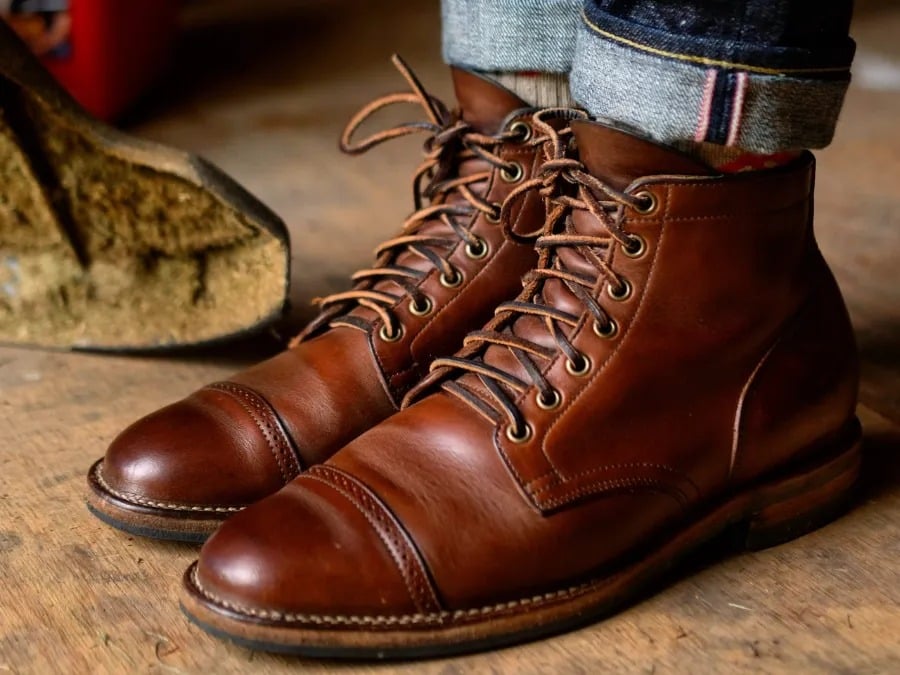
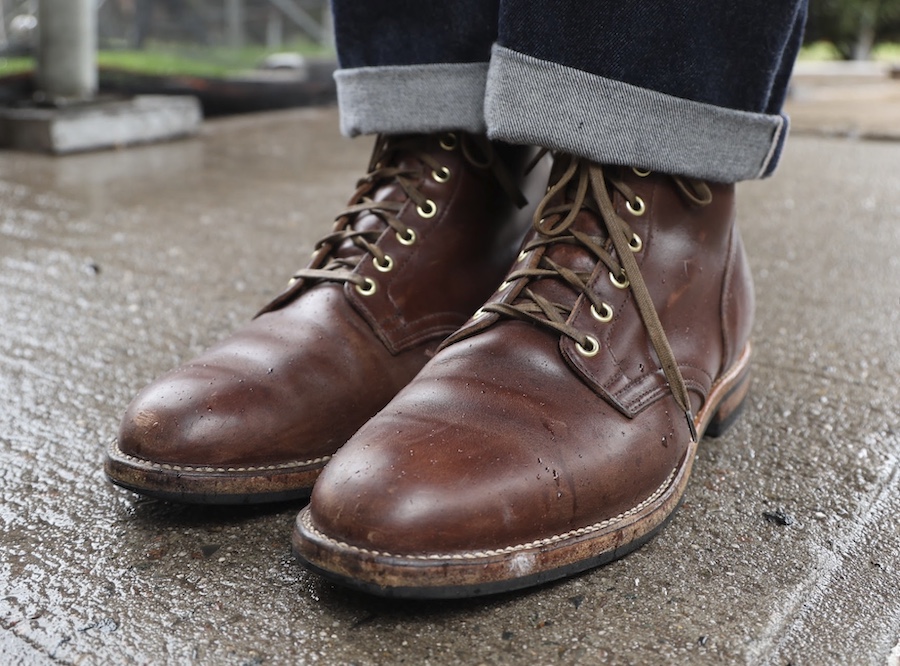
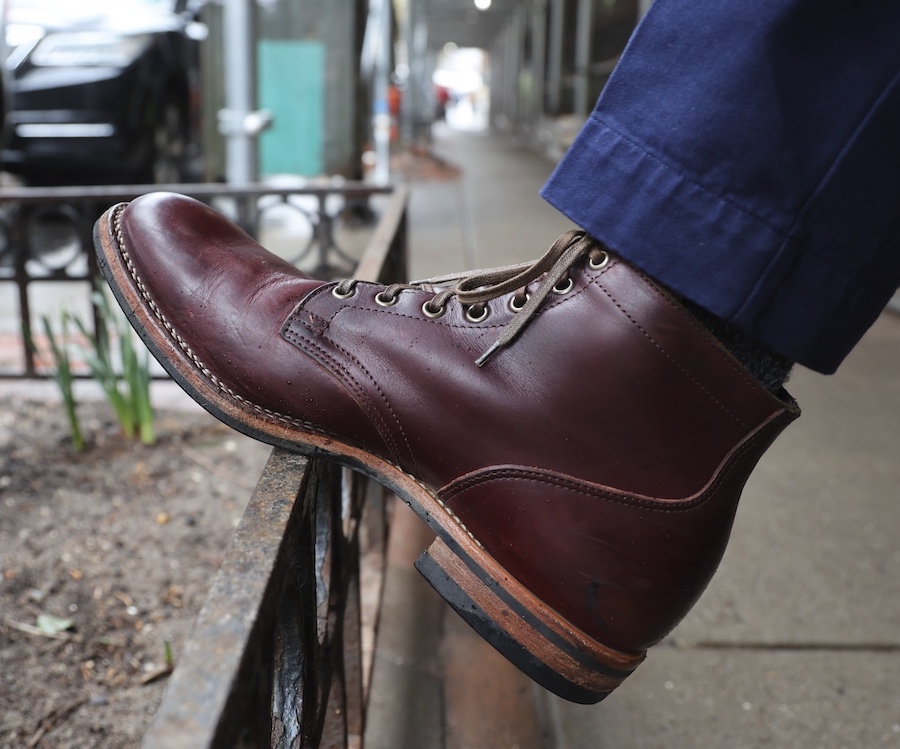
Both of my Vibergs are Chromexcel, which is the world’s most beloved casual boot leather. Made by Chicago’s Horween Leather Company for over a hundred years, every boot brand worth their salt makes a Chromexcel boot and it’s usually their bestseller. It’s simply a terrific balance of beautiful, durable, and comfortable.
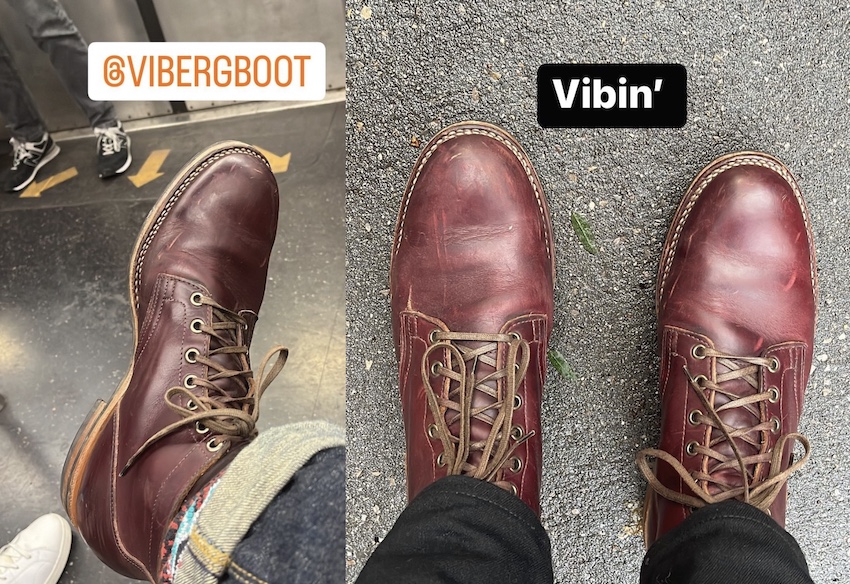
“Chromexcel has been a big part of the Viberg story, it’s kind of their signature leather and it’s the perfect leather for this style of boot,” says Ticho. “It’s nice and thick, it forms to your foot really nicely, it gains a beautiful patina, but it’s pretty easy to care for.”
In addition to selecting great leathers, they select great leather — by that I mean their clicking process, which refers to the process of choosing the right parts of the hide for the right part of the boot.
Chromexcel is famous for developing loose grain and creasing. It’s super hard to tell if that’s going to happen when they’re new or when the leather is being “clicked”, and I’ve owned many boots and loafers that cost well over five hundred dollars that got loose grain.
Look, I got it on only one of my Wolverine 1000 Mile boots. They’re so asymmetrical now!
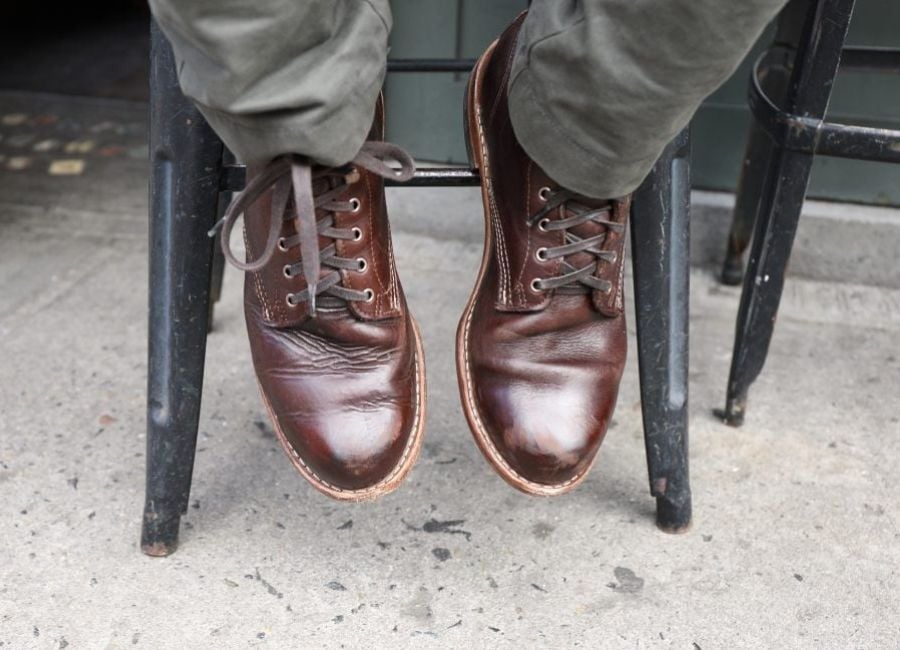
However, I’ve owned two pairs of Vibergs in “CXL” and there’s no loose grain anywhere. It’s incredibly rare and a testament to the skill of the “clicker.” The man who selects which leather gets used has the first job in the factory, and the skill of Viberg’s clickers might be the best I’ve seen.
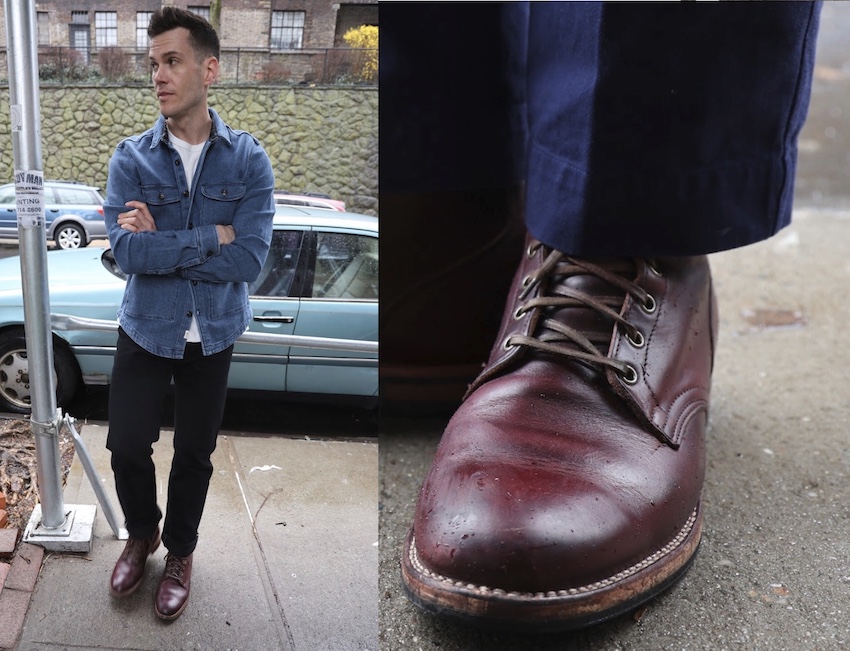
I messed up when I got my first 2030 Service Boots.
Most boots are half a size smaller than your Brannock size. If you’re new to nice footwear, that’s the name of the size you get on that foot-sizing device in the shoe store. Sneakers tend to be half a size larger, boots are almost always half a size smaller. So I bought size 11.
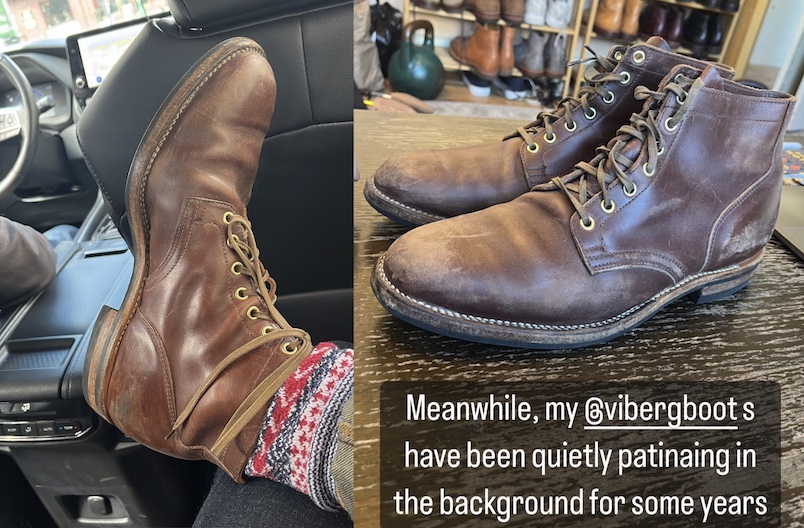
But this is a Canadian company and their sizing is more British: you need to subtract a whole size from your Brannock size, which is the same advice for my British boots from Tricker’s.
My second pair, in the burgundy Chromexcel they call “Color 8,” is a 10.5. It fits better; I was sliding around the inside of my brown ones.
Further Reading
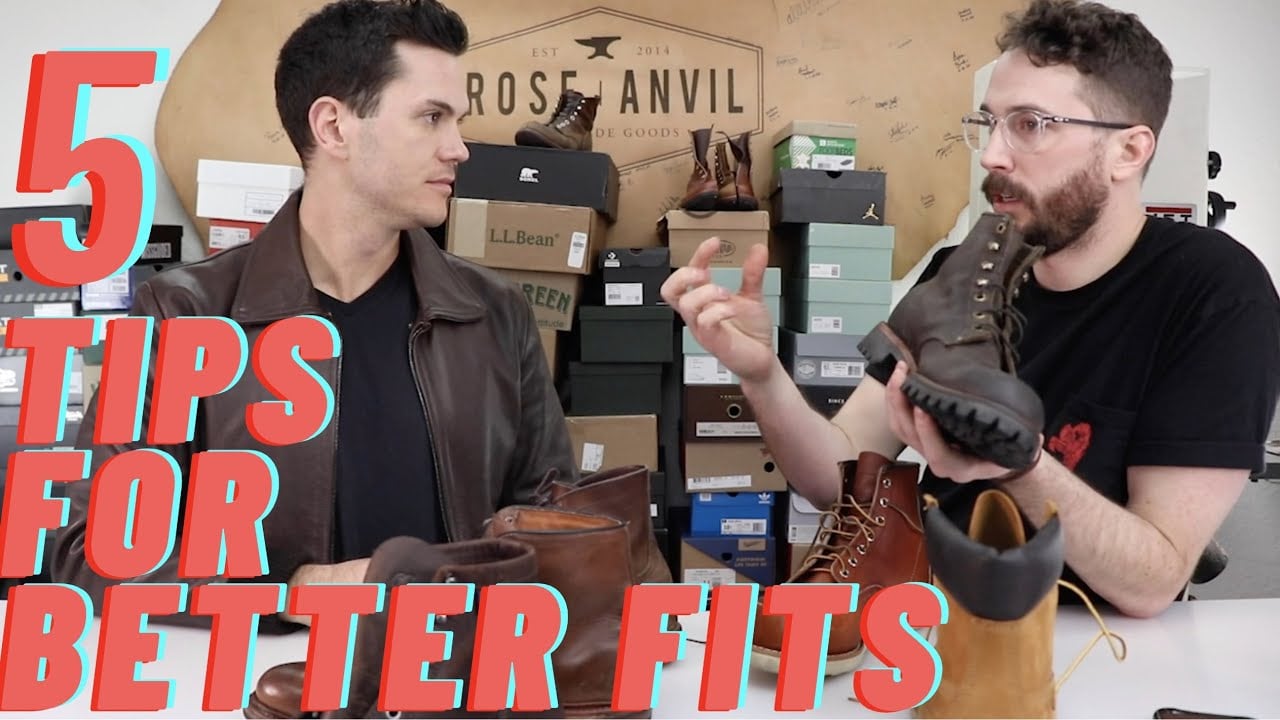
Leatherworker and boot expert Rose Anvil ranks the importance of different areas of your fit.
Learn more →
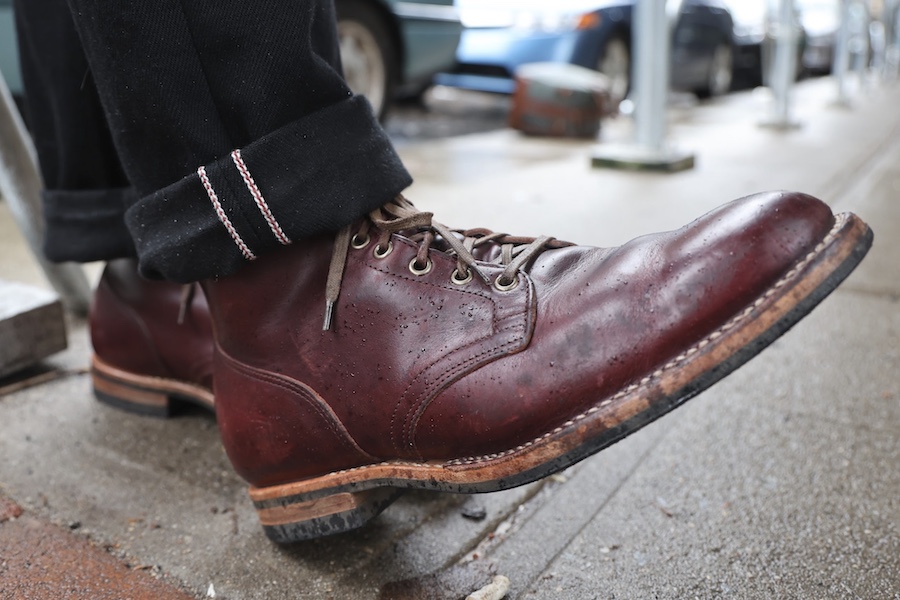
To further complicate things, the 2030 is graded as an E width. @mantaszmenskis5619, one of my commenters, noted that “A men’s US 10.5 D (Brannock) will fit in a Viberg 9.5 EE.”
Viberg has sold a lot of E, EE, and EEE boots, but they’re not always in stock. Click around different leathers if you need something wide.
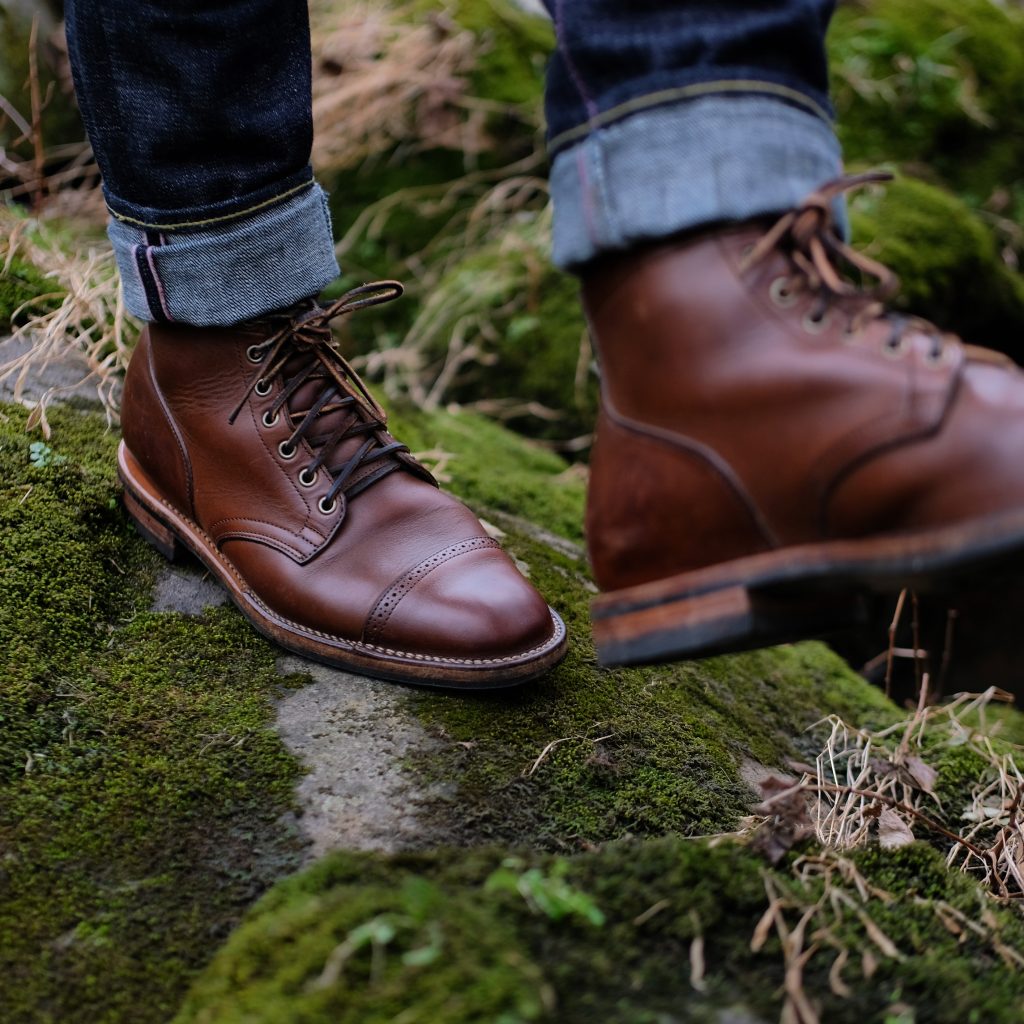
The 2030 is an unusual last, though. It’s graded as an E width, yet some guys in my YouTube comments have told me that they prefer to wear them looser than I do.
As Christian Kim wrote in this excellent guide to Viberg lasts:
From top-down, the waist tucks neatly around the instep, leading to the flare of the stitched upper over the midsole at the widest part of the forefoot, tapering fairly dramatically to a sleek almond… giving way to a svelte profile with a low-profile toe and a heel cup that invites you in for a hug.
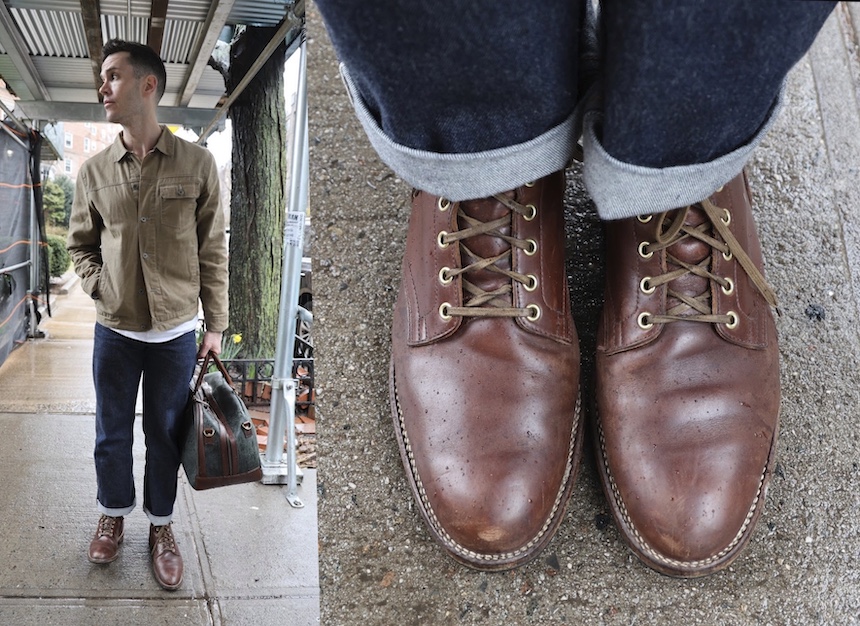
Anyway, you should subtract 1 from your Brannock. It’s the same advice most people give.
Here’s Viberg’s official guide to their lasts, which don’t vary a ton in widths but they do vary a ton in shape.
Further Reading
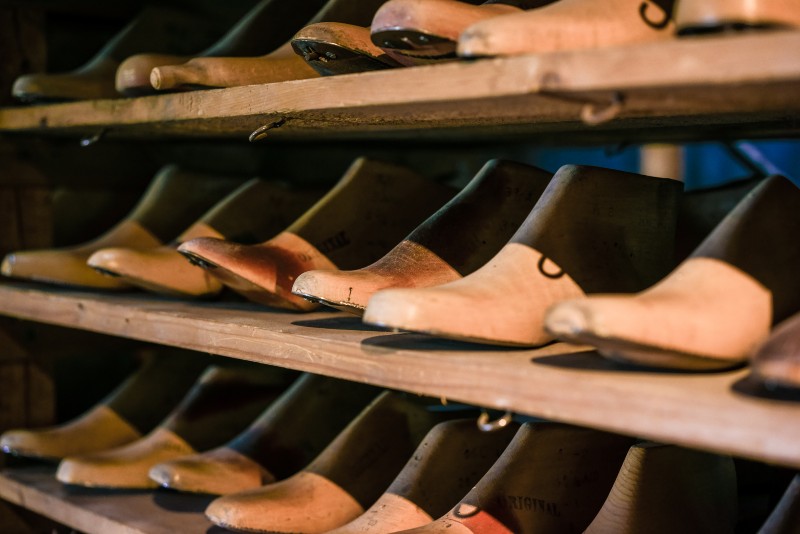
From wider-than-wide to sprung toe lasts that look almost Arabian, there’s something for every aesthetic here.
Learn more →
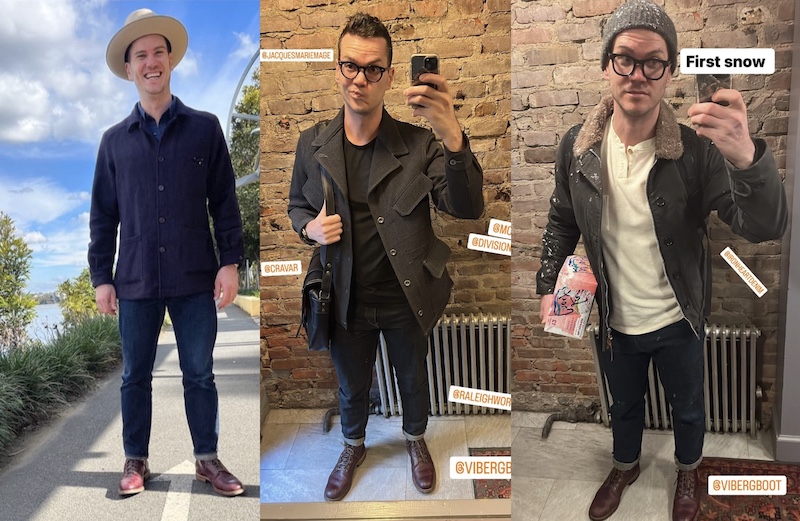
These boots are heavy and made with many layers of unusually thick leather. But compared to most boots like this, I didn’t have a particularly tough break in.
Your mileage may vary, but there are a lot of guys in the comments of my video saying they were impressed by the comfort from day one.

They’re heavy. It can feel like they’re walking you. When I first reviewed these, I wrote,
The soles are so heavy they swing like pendulums out in front of you, throwing your feet forward. It takes getting used to, but they make you feel indestructible.
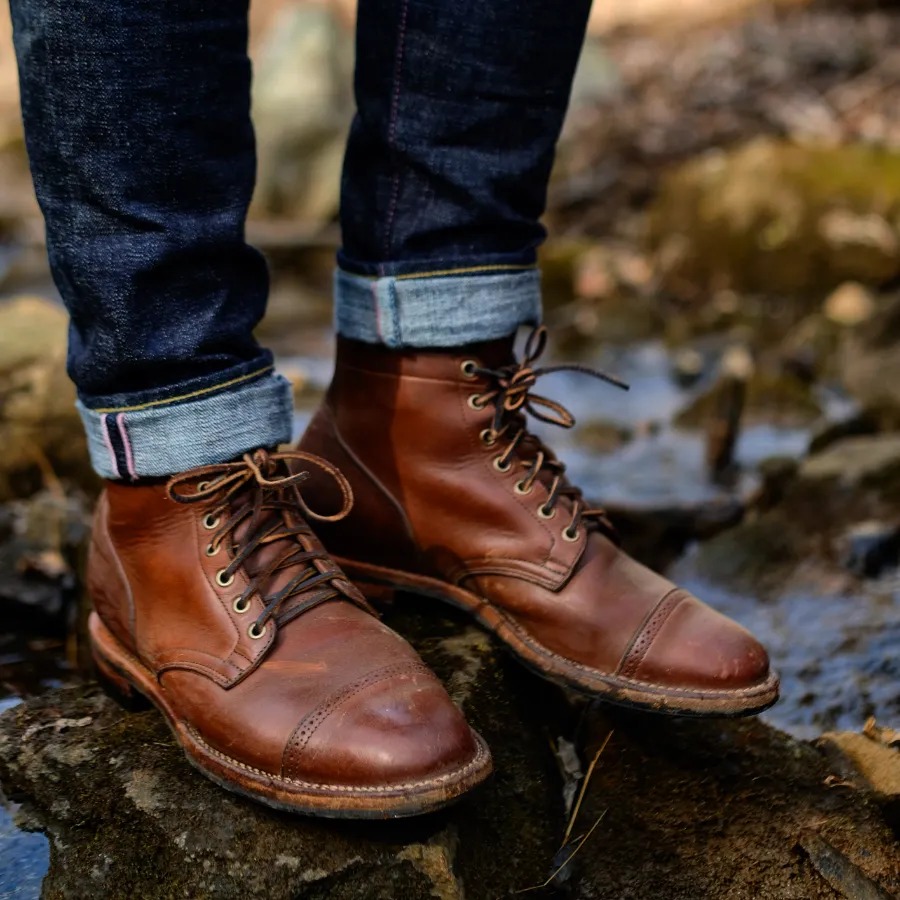
But there’s absolutely nothing like the comfort you get from a boot like this once you’ve sunken into the leather and formed it to the shape of your foot.
Plus, Viberg has a good reputation for comfort because of all those lasts you can choose from. Maybe you want more toe volume, maybe a wider midfoot, maybe you want one that “rolls” with the foot:
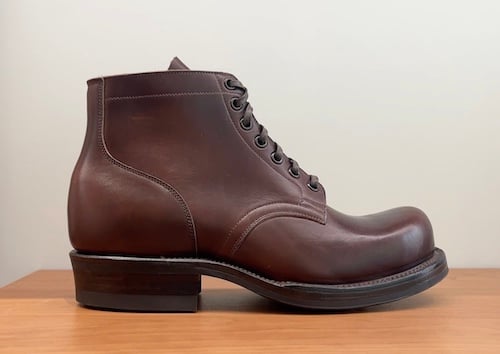
Viberg is the crème de la crème of high end casual boots, and many find the 310 last's unusual curves best facilitate the foot's natural movement.
Further Reading

Some like stability, others like softness — figure out what comfort means to you, then pick your boot.
Learn more →
It’s so easy to do a list of great Viberg alternatives because even very expensive, American-made boots cost way, way less than the Vibergs of today.
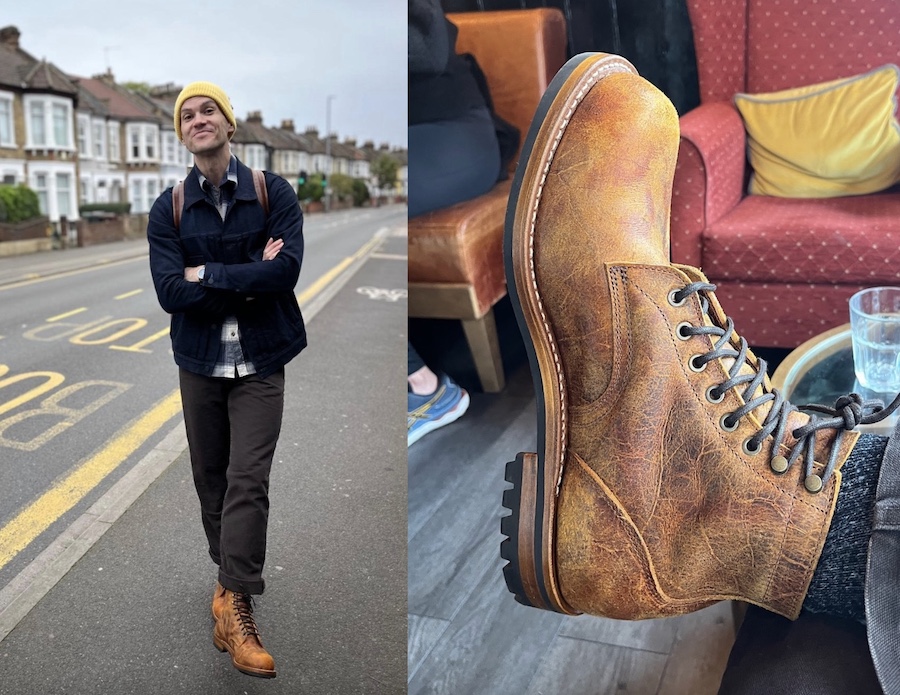
Truman Boot Company is held in very high esteem by the same kind of guys who love Viberg. That’s because you could put Truman in the same category of “sturdy boots that are great for work, but made with the kind of leathers and the kind of skill that you could call artistic.”
They’re also from the Pacific Northwest and cost like a third of Viberg’s boots. You should get Truman, man.
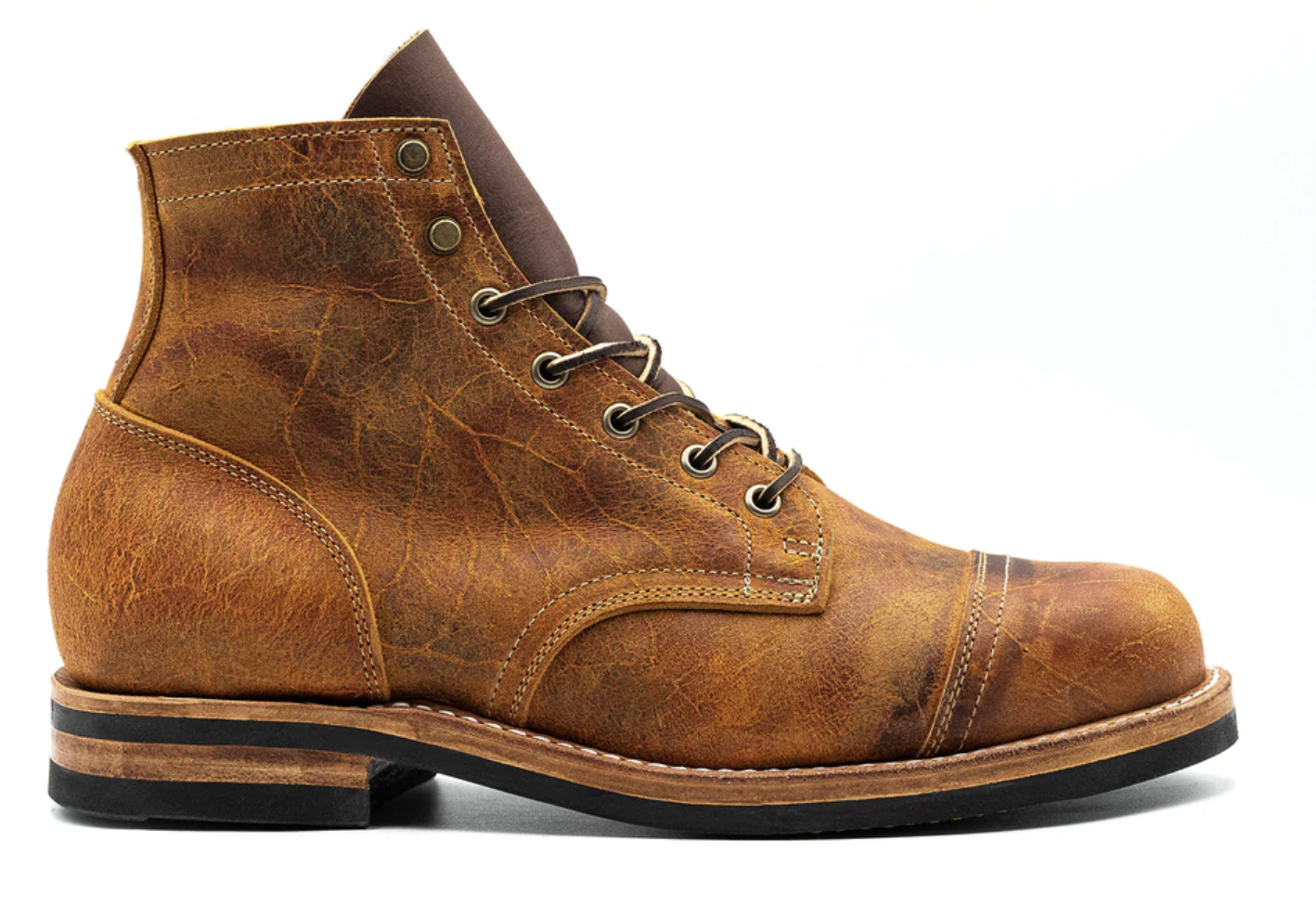
Truman's boots are well priced for being made in the USA, made with very robust construction, and come in an array of leathers that are both common and very uncommon for such hardwearing boots.
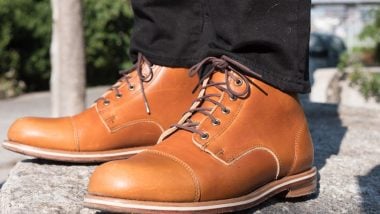
Wolverine 1000 Mile is a banger boot that’s made in the U.S. and has a lot of similarities: Chromexcel leather, plain toe, casual-but-nice heritage work boots. The clicking isn’t as good but they’re under $450 and very, very lightweight.

This classic casual boot is lightweight, resoleable, ages beautifully, and is priced well compared to similar boots made in the USA.
White’s or Nicks: Here’s a whole video and article I did comparing White’s and Viberg with cobbler Trenton Potter from Southern Polished. Christian Kim, the same man who wrote our guide to Viberg lasts, wrote the written companion here.
These boots come in similar leathers and shapes, similar construction methods, heaps of leather. They’ll probably take several months to arrive at your door, unless you find something good on Baker’s seconds market.
We need to remember that as a Canadian company, they’ve been subject to the vicissitudes of America’s tariff policies.
But that is a jaw dropping price and a jaw dropping price jump: Oak Street and Wolverine make American-made Chromexcel service boots and haven’t raised prices more than 50 bucks.
Here are six easy-to-scan reasons for their price:
Viberg is synonymous with impeccable quality, high end leathers, laborious handwork, and versatile silhouettes, with their iconic Service Boot defining their brand.
When these boots were under a thousand bucks, I was fairly comfortable saying that Viberg was pretty good value because they’re ready to wear. Most brands with this kind of consistency might cost less, but they’ll make you wait months for your boots to be made for you.
Now that they’re $1,300, it’s harder to say that the faster delivery makes them worth that much more than, say, Nicks boots or Indonesian brands.
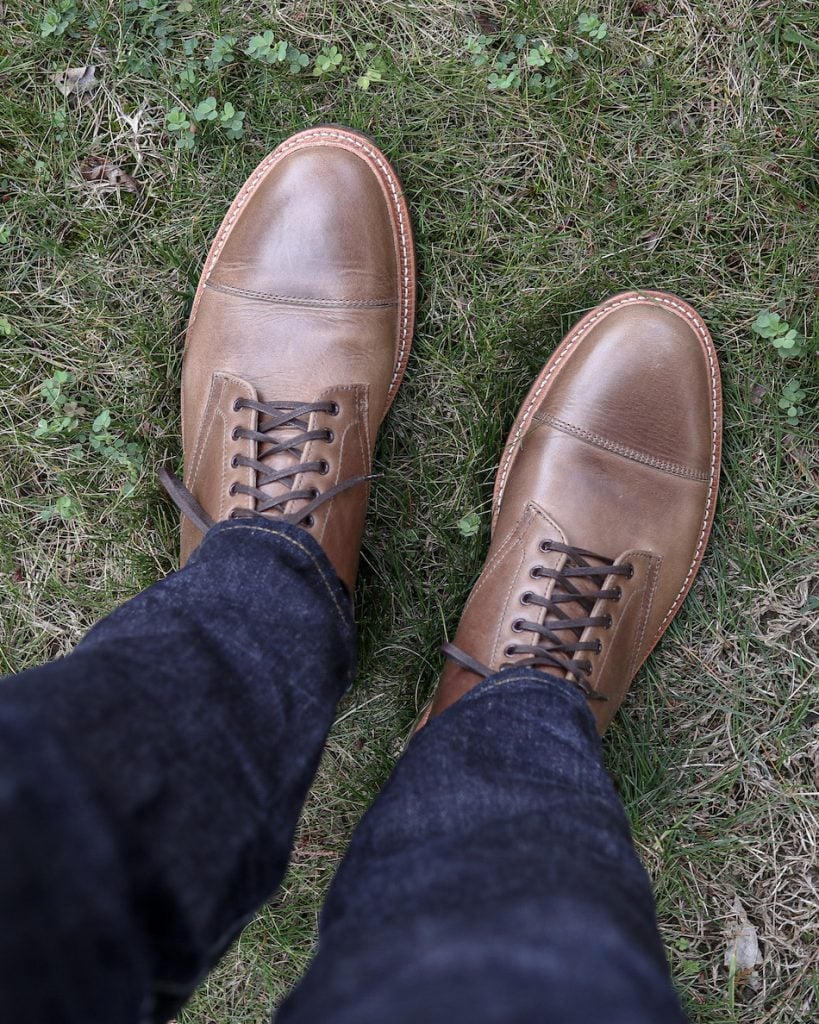
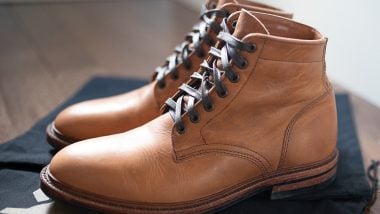
Or you can get a boot that’s not quite as nice, but still extremely nice, and is ready to wear and costs less than half the price of Viberg: Oak Street, Truman, and Tricker’s are all considered on the high end for boots.
Less than half the price, almost as nice.
But I don’t think anyone makes ready to wear boots quite as nice as Viberg’s.

This is my website, so I'll just write in first person. I'm the founder and editor of Stridewise, where I have spent nearly a decade covering boots and casual menswear.

by Nick English
Founded in 2018 to help men buy the best boots, we’ve since expanded our team and purview to review and celebrate casual footwear and menswear that’s as close to “buy it for life” quality as possible. We take great pride in being a trusted source for information while maintaining complete editorial independence. At no extra cost to you, we might earn a commission from a brand when you purchase through our links, which helps us keep our mission alive. Learn More
Casual Durable™.
Yup, we even trademarked it. Just because you’re dressed down, doesn’t mean you have to dress bad.
This site started to help guys find the best boots for their dollar and has since expanded to cover the highest quality casual menswear, from leather jackets to selvedge jeans to canvas bags — the kind of simple, fashionproof classics that help you get dressed without overthinking your “style.” Read more
Subscribe for an exclusive article to help you find the best deals on quality footwear.