Updated May 21, 2026

Stridewise
Boots, Denim and Casual Stuff

Expert Verified By: Justin FitzPatrick, Shoemaker
If your heel is slipping in your loafers, I understand the panic. You’ve probably spent a pretty penny on high quality loafers and if you’ve worn them outside, your chances of returning them are pretty low.
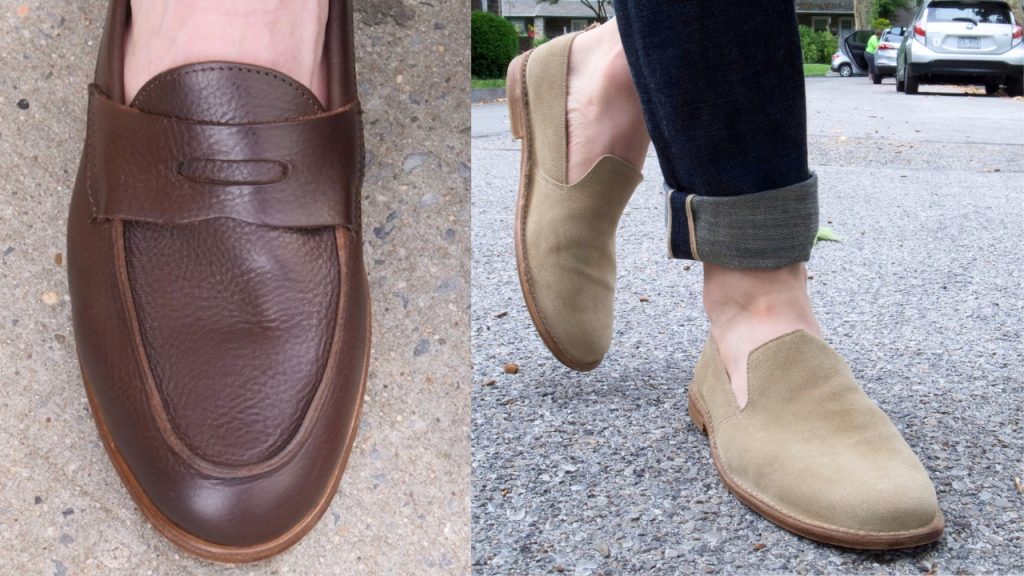
Don’t listen to the brands trying to sell you bits of foam to stuff at the toe or the heel. A loafer’s fit has far more to do with the instep: the area on top of your foot near the ankle.
If a loafer is too loose and you find a way to fill the extra volume on the instep, you’ll be shocked how quickly the heel slip vanishes.
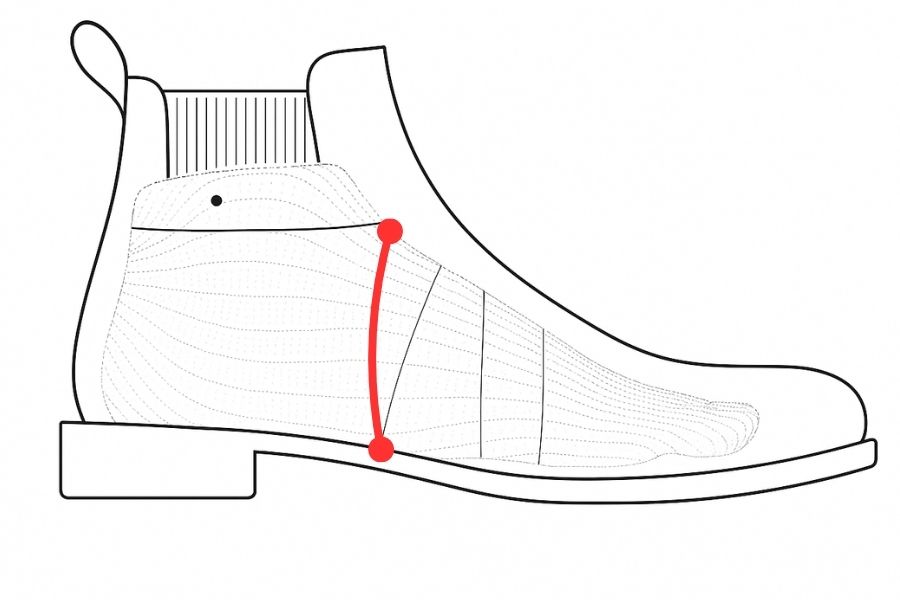
TL;DR: Loose loafers are usually a result of them fitting badly on your instep, the area on top of the foot near the ankle.
Here are three fixes:
You Might Need to Read This First:
Expert shoemaker Justin FitzPatrick answers every question his clients have about sizing loafers.
Learn more →

I have an unusually low instep and unusually skinny ankles, which means I have a hard time fitting laceless footwear like loafers and Chelsea boots.
When I was trying to size my loafers from Grant Stone, they told me about this insanely cheap and simple fix: Pedag’s Tongue Pads.

Whether it's boots or loafers, these inexpensive pads simply fill space on the instep, but you'll be amazed how effective they are for fixing heel slip.
Here’s a short video about using tongue pads to fix too-big Chelsea boots, which is the exact same problem with the same solution. I think I put them in upside down, but it worked nonetheless:
You’re just gluing a bit of suede inside the loafer where the tongue would be on sneakers. Though they may seem small, Pedag’s Tongue Pads will fill the extra volume and voila: no more heel slip. I could not believe how simple and cheap this solution was.
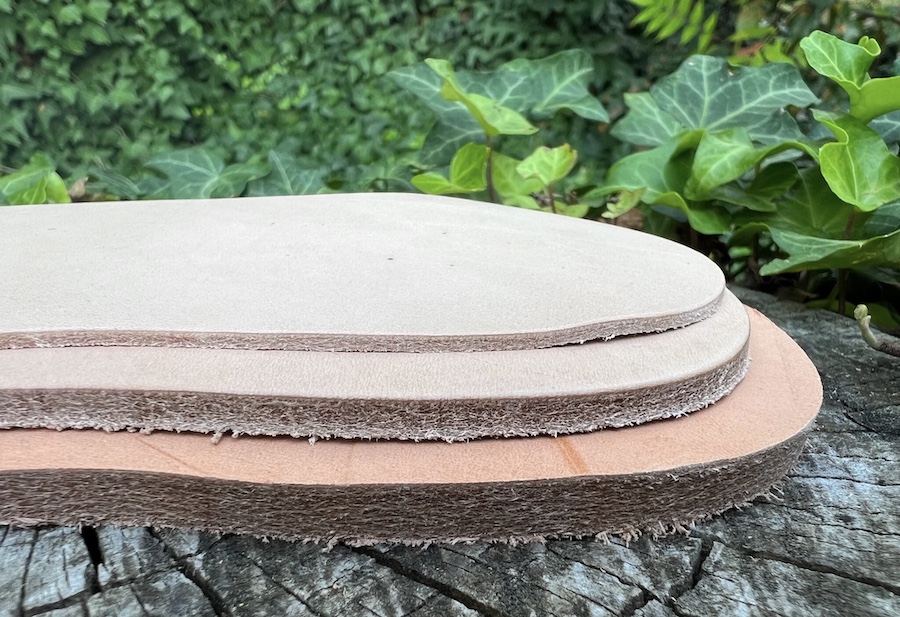
Once again, solving too-big loafers doesn’t mean adding extra padding to the inside of the heel, it’s about filling the extra volume left by your foot not fitting.
If you can’t get your hands on tongue pads, don’t have time to wait for them to arrive, or if you can’t get them to stay stuck in the right place, consider filling the extra volume from the bottom: add an insole.
There’s a decent chance you have some spare insoles right now: a lot of good quality footwear brands make their insoles removable, so if you check the footbed of your other shoes and find you can remove the insoles from a pair that will fit fine without them, you’ve just solved your loafer problem.
Note: there are a ton of insole companies out there that make all manner of squishy and supportive footbeds. But for your loafer problem, you probably just need a thin leather insole — if you get something curvy and orthotic, you might wind up with loafers that are too small.
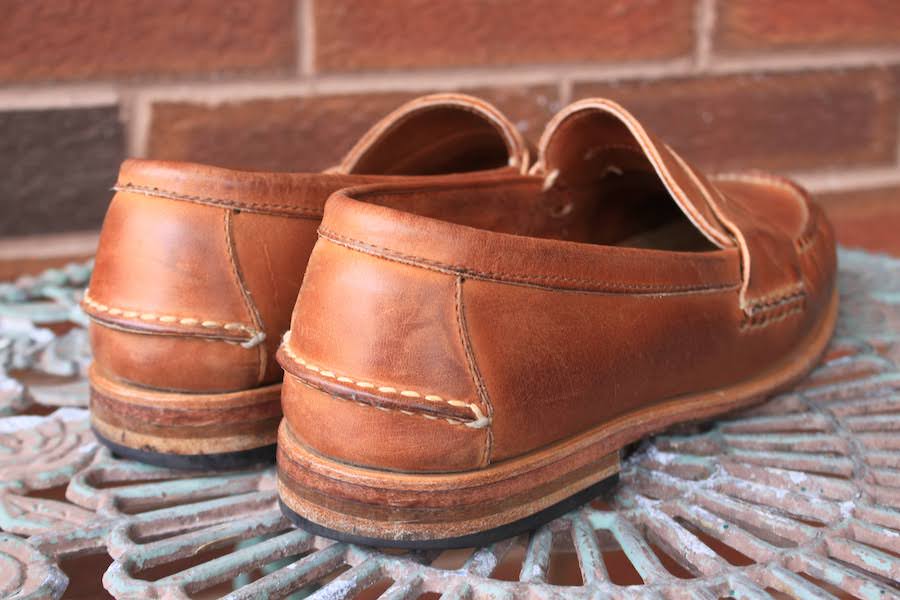
The great thing about leather footwear is that it molds to your foot’s shape with wear, especially when you’re talking about loafers, which tend to be made with less structure and thinner leather than boots. That means more the upper is more malleable.
A lot of loafers I’ve worn started with heel slip that slowly went away as they broke in. So even if you can get your hands on one of these two solutions, you might want to try simply wearing the loafers for a couple of weeks to see if the issue remedies itself.
If not: tongue pads and insoles!
In Case You Missed It:
Expert shoemaker Justin FitzPatrick answers every question his clients have about sizing loafers.
Learn more →

This is my website, so I'll just write in first person. I'm the founder and editor of Stridewise, where I have spent nearly a decade covering boots and casual menswear.

by Nick English
Founded in 2018 to help men buy the best boots, we’ve since expanded our team and purview to review and celebrate casual footwear and menswear that’s as close to “buy it for life” quality as possible. We take great pride in being a trusted source for information while maintaining complete editorial independence. At no extra cost to you, we might earn a commission from a brand when you purchase through our links, which helps us keep our mission alive. Learn More
Casual Durable™.
Yup, we even trademarked it. Just because you’re dressed down, doesn’t mean you have to dress bad.
This site started to help guys find the best boots for their dollar and has since expanded to cover the highest quality casual menswear, from leather jackets to selvedge jeans to canvas bags — the kind of simple, fashionproof classics that help you get dressed without overthinking your “style.” Read more
Subscribe for an exclusive article to help you find the best deals on quality footwear.