Updated Jun 9, 2026

Stridewise
Boots, Denim and Casual Stuff
You just got your first pair of nice leather boots, they weren’t cheap, and you’re trying to figure out how to make sure you don’t accidentally wreck them.
A lot of guys turn basic boot maintenance into a full-time job, but this simple guide is for normal people who don’t want to run a full care routine every time they walk outside.
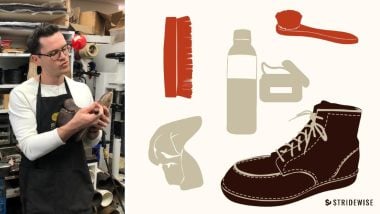
To make sure you’re only getting the advice you need and nothing you don’t, I interviewed Pat Macri, who has spent the last forty years managing boot care and repair at R.M. Williams.
Note: This guide is about how to care for smooth leather boots. If yours are suede, see our guide to cleaning suede boots.
There are a few ways to clean leather boots, depending on how much dirt is caked onto them.
“There’s two things we look out for,” says Pat. “When we see a buildup of dirt or shoe polish, that’s when I bring in the leather cleaner.”
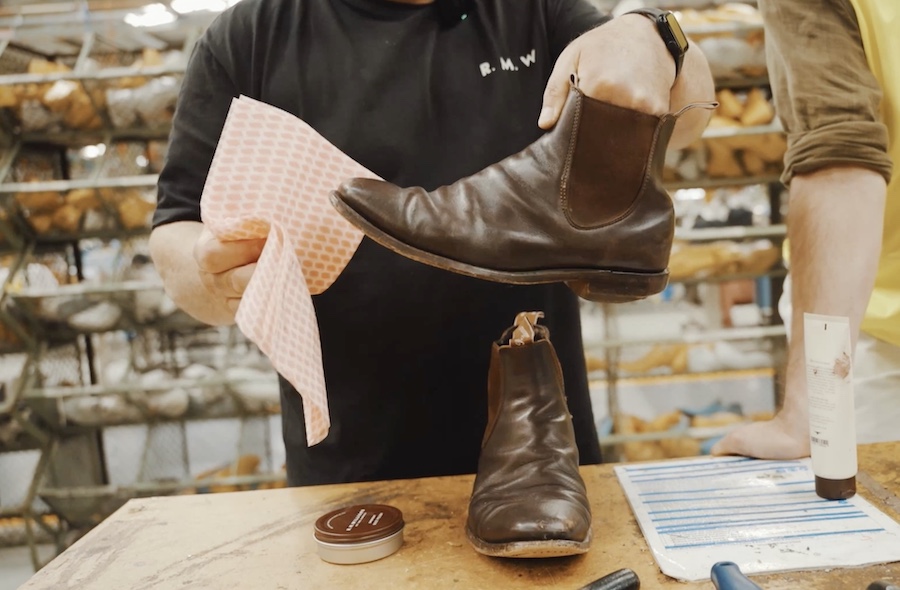
“There’s no harm in using the leather cleaner all the time,” says Pat.
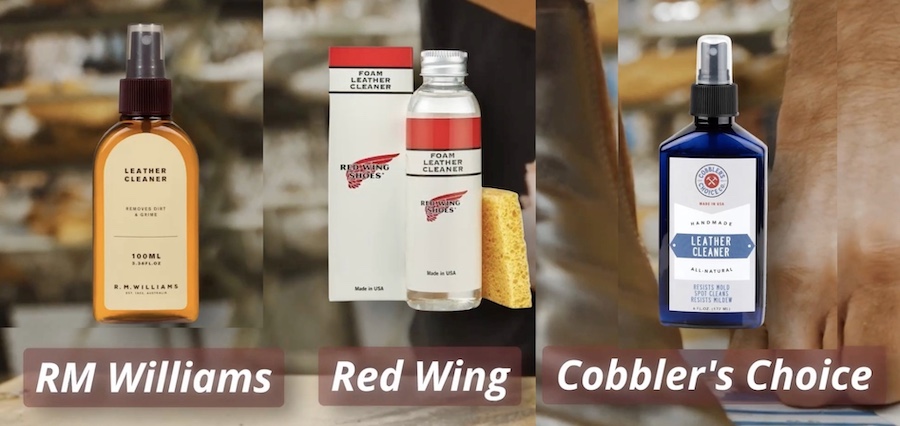
You probably won’t need anything stronger than a basic foam leather cleaner that’s designed for boots.

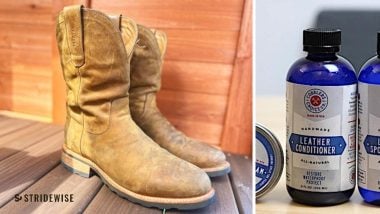
An inexpensive cleaner made with all natural ingredients, it's easy to apply and contains tea tree oil for some anti-microbial properties.
Probably not.
Saddle Soap is an extremely powerful and astringent product that should only be used if your boots are seriously dirty and a foam cleaner isn’t doing the job — it’s a “break glass in case of emergency” kind of product.
It works, but if you aren’t careful it can suck the color and moisture out of your leather. If you really do need to use it, read our guide to using Saddle Soap on boots.
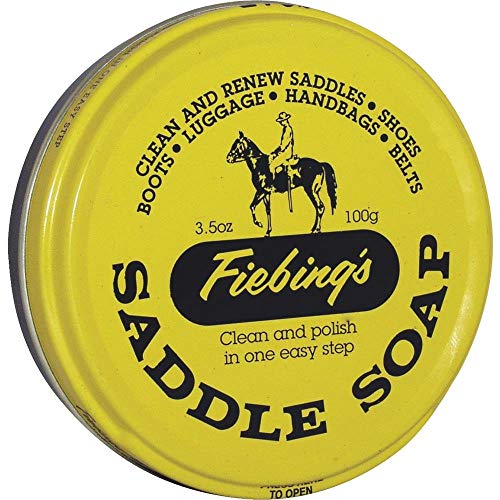
The ultimate deep clean for leather, Saddle Soap will take care of any stain — just wash it off before it starts lifting out dye as well.
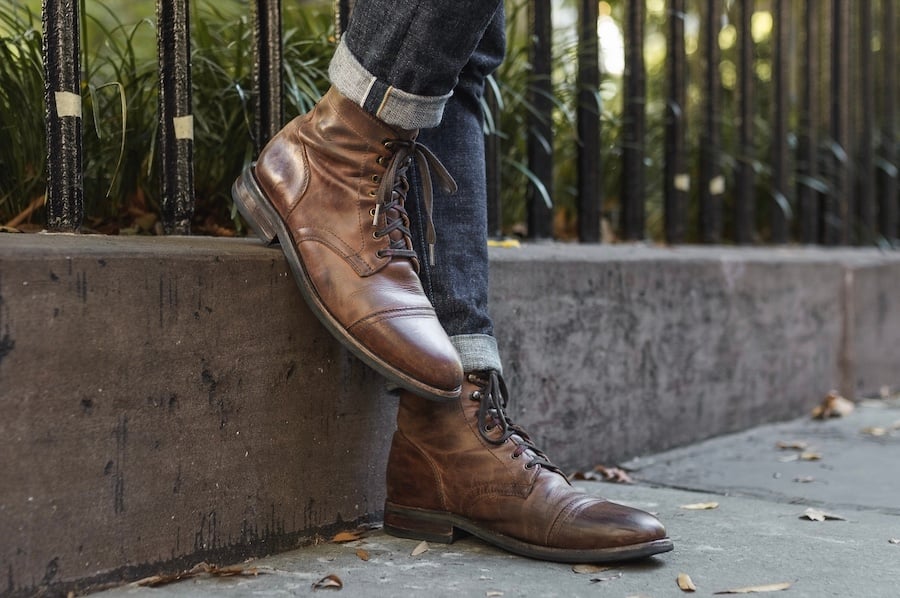
Leather is skin. Like your face, it dries out over time, especially if it’s been in harsh weather. Conditioning your boots is like moisturizing your face: it restores oils that keep it supple and healthy.
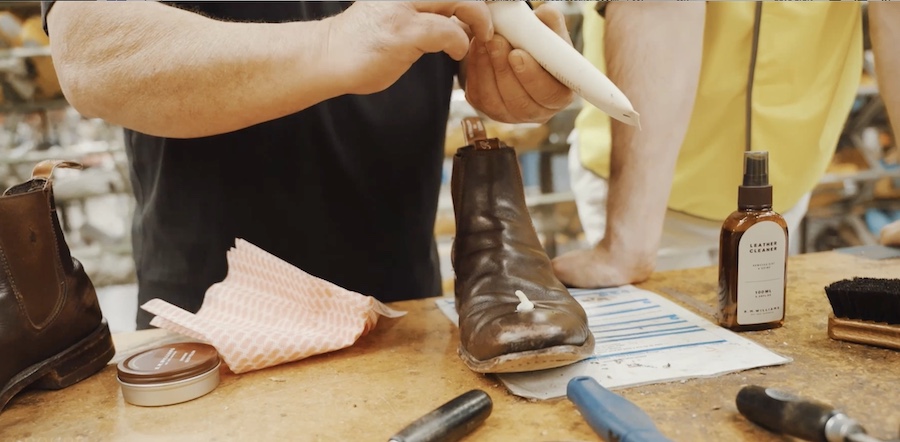
If keeping boots “supple” doesn’t sound that important, there are two other reasons to condition regularly: it improves the leather’s water resistance and it makes it look cool. That image you have in your mind’s eye of really old, really cool looking leather boots? You get that by regularly conditioning them.
“It just brings the natural oils back into the leather,” says Pat, who tends to use the word nourish rather than condition. “The longer you keep the leather supple, the better it’s going to flex while you’re walking.”
Be sure to clean your boots or at least give them a good wipe down with a wet rag before starting the process. Otherwise, you’re pushing dirt into the leather.
Don’t worry if your leather is now darker than you’d like; it’ll lighten up as you wear it.
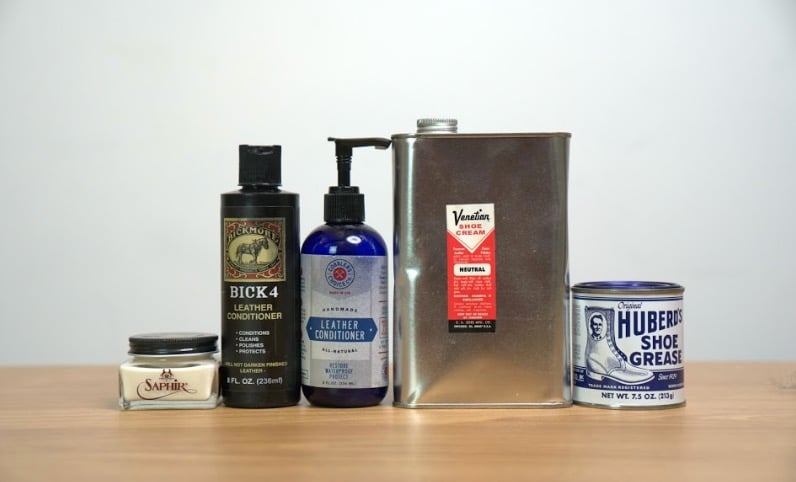
It depends on how hard you wear your boots. If you’re in a very dry climate or, paradoxically, if they’re always getting wet, then you should condition them more often. (When leather gets wet, it dries out as it… dries out.)
“If you’re wearing them more casually or in an office environment, I’d suggest conditioning them every couple of months,” says Pat. “If you’re in a very dry climate, you probably want to increase that, but it’s up to you.”
For what it’s worth, I usually condition my boots twice a year: at the beginning and end of boot season.
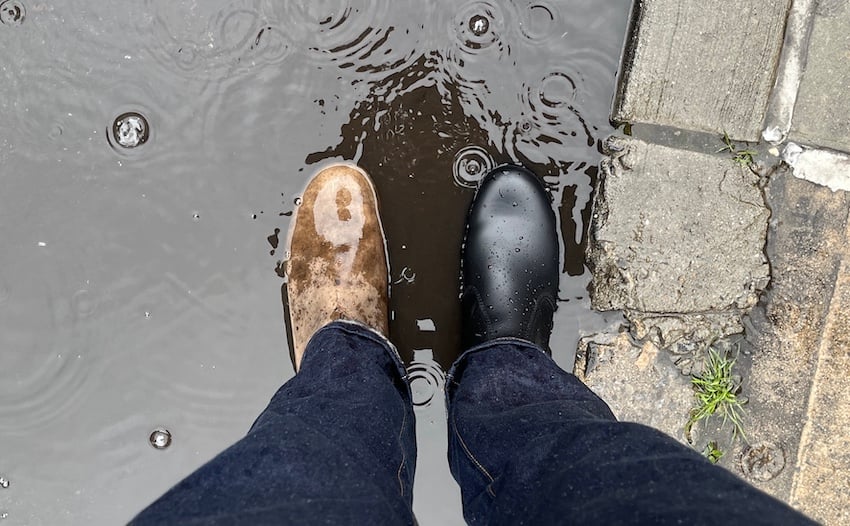
“If you stand in a pond for an extended period of time, we would assume that some sort of water will penetrate through the stitching, but you won’t get your feet soaked,” says Pat. “You’d have to be in there for quite some time.”
His point: while not technically waterproof, resoleable leather boots — the kind made with Goodyear welts or the less common stitchdown construction — are waterproof enough for any normal rainy day.
“You can walk through puddles and mud, all fully finished leathers will handle it,” says Pat. “But when you get home, the idea would be to let them dry naturally, get whatever dirt off them, and get some conditioner into them. Don’t dry them in front of a heat source, or even in direct sunlight. Just let them dry naturally in a nice open area where there’s plenty of airflow.”
As a guy who own so many boots that he started a boot blog: I don’t condition my boots whenever they get wet.
But it’s true that when water dries out of your leather, some of the natural moisture dries out along with it. Ironically enough, your boots will be drier after they get wet. The more water your boots experience, the more often you’d want to condition them.
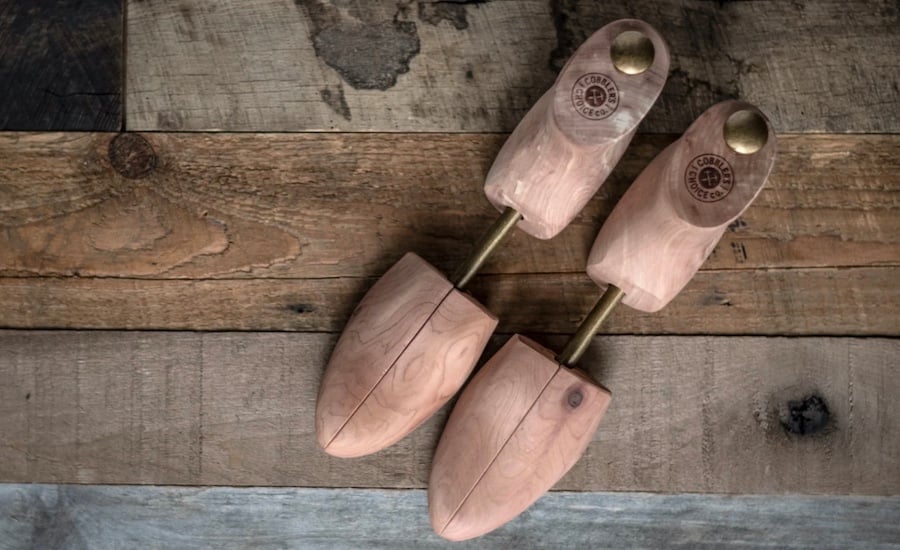
“It maintains the shape of the boot,” says Pat. “It absorbs any moisture or perspiration that you put into the boot during the day, and they actually smell quite nice.”
This is one of those “essential” boot care tips that most guys don’t actually follow. But boots that never see shoe trees are prone to losing their shape and curling up at the toe, especially if they often get wet, and especially if they have leather soles.
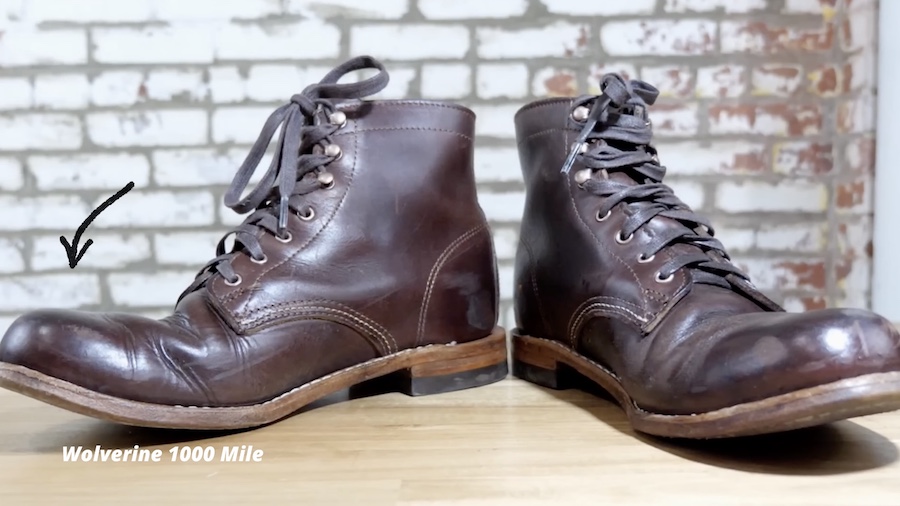
I got a lot of angry comments about toe curl (or “toe spring”) on an old video about my Wolverine 1000 Mile boots in the picture above. Yes, they had leather soles and I’d been wearing them during a very rainy week in New York. It was just one week!
The take home message: ideally, you’d leave shoe trees in your boots whenever you’re not wearing them. But at the bare minimum, use shoe trees if your boots have gotten wet.
If you don’t own shoe trees and your boots are really saturated, stuff the inside with newspaper instead.
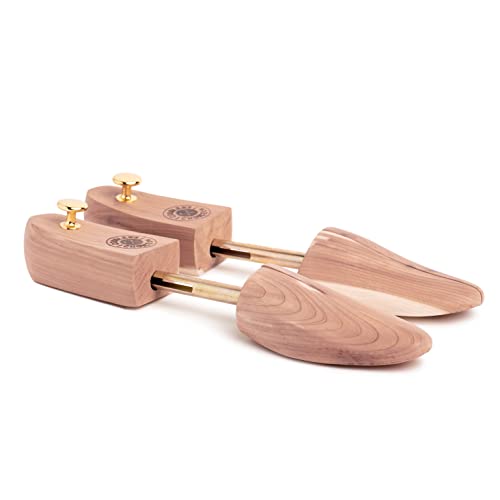
An indispensable accessory that helps your boot dry out, maintain its shape, and manage odor.
“It’s not recommended,” says Pat. “We suggest you alternate every two days to allow the perspiration and moisture to dry out naturally.”
One last piece of advice that shocks a lot of guys: it’s best if you don’t wear your boots every day.
I’m not saying that “if you wear your boots half as much, they’ll last twice as long.”
I’m saying that if your boots never get a day of “rest” then they won’t fully dry out from the moisture that your feet left inside them.
“We’re trying to get the leather to last as long as possible,” says Pat. “If you allow it to breathe and to dry naturally, it won’t absorb your perspiration day after day after day.”
And really, most of the tips on this list circle back to that same point: boots that don’t dry out properly don’t last as long. It hampers the longevity of the leather, the stitching, and the shape.
But long term boot care really doesn’t have to be complicated. It all comes down to using shoe trees when you’re not wearing them and conditioning them a few times a year. Easy!
Further Reading
Watch this factory tour as we follow the birth of Australia’s most beloved boot. Learn more →

I'm the founder and editor of Stridewise, where I have spent nearly a decade covering boots and casual menswear.

by Nick English
Founded in 2018 to help men buy the best boots, we’ve since expanded our team and purview to review and celebrate casual footwear and menswear that’s as close to “buy it for life” quality as possible. We take great pride in being a trusted source for information while maintaining complete editorial independence. At no extra cost to you, we might earn a commission from a brand when you purchase through our links, which helps us keep our mission alive. Learn More
Casual Durable™.
Yup, we even trademarked it. Just because you’re dressed down, doesn’t mean you have to dress bad.
This site started to help guys find the best boots for their dollar and has since expanded to cover the highest quality casual menswear, from leather jackets to selvedge jeans to canvas bags — the kind of simple, fashionproof classics that help you get dressed without overthinking your “style.” Read more
Subscribe for an exclusive article to help you find the best deals on quality footwear.