Updated Nov 1, 2026

Stridewise
Boots, Denim and Casual Stuff
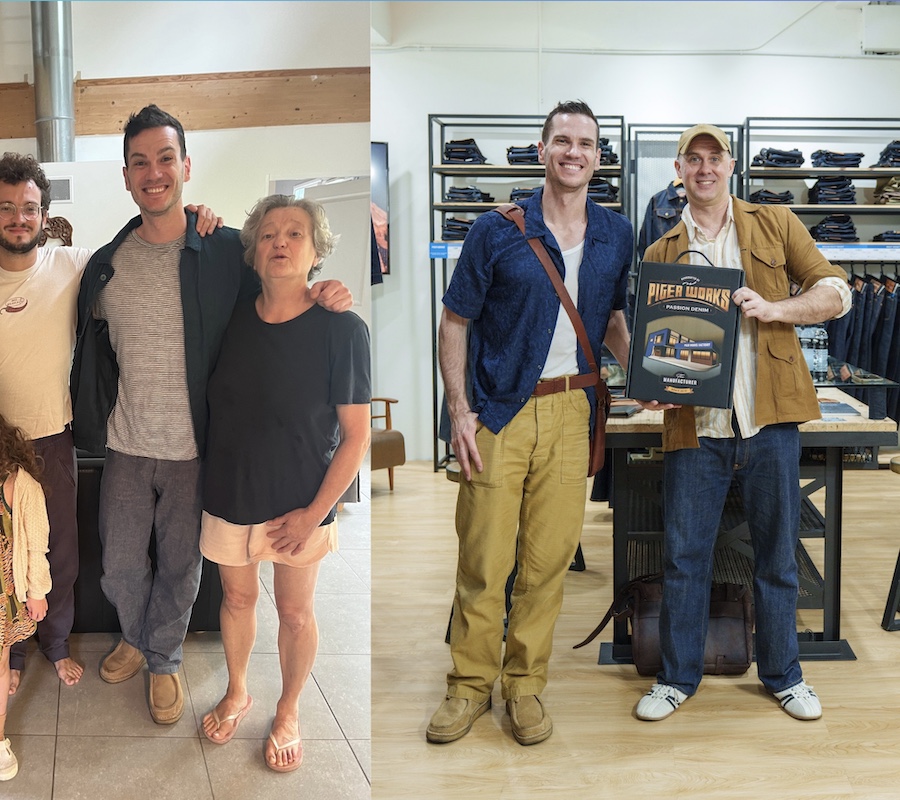
I had a very busy summer planned: after spending a year planning my move from New York City to Melbourne, Australia, I had to unexpectedly move again to Vietnam (to work on my denim store) after first spending a month traveling around France.
Looking down the barrel of one long summer in Australia, France, and Vietnam meant that I needed a boot that was both sturdy and comfortable in the heat.
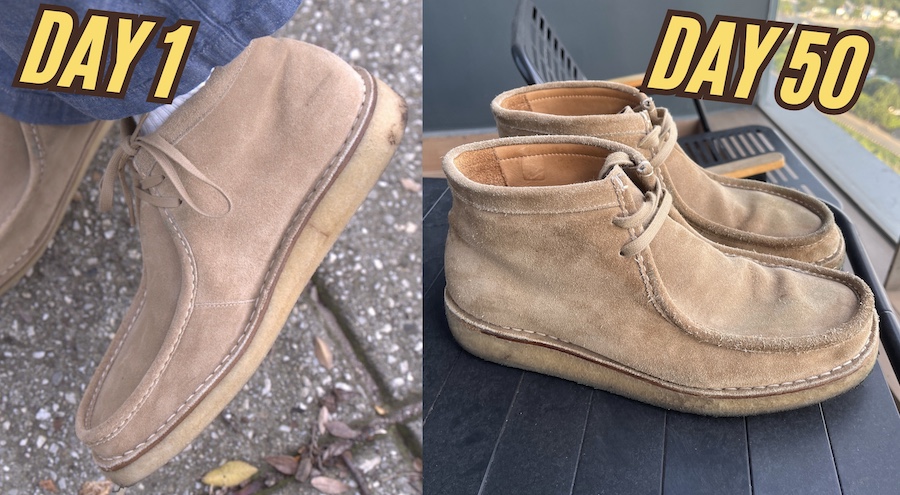
For these kinds of situations I had always defaulted to desert boots and I wanted to try something different, but do other breathable summer boots exist?
Maybe: Thursday had just released the Roadrunner and I wanted to see how it fared with my demanding (and scorching) travel schedule. They’re more casual than desert boots, but I found they offer a great balance of durability, comfort, and style.
Further Reading

If you’re sold on the desert boot style, there are more variations on the style than you might think.
Learn more →
Not everyone wants to read hundreds of words about boot construction, so here’s a quick summary of my two months in this boot.
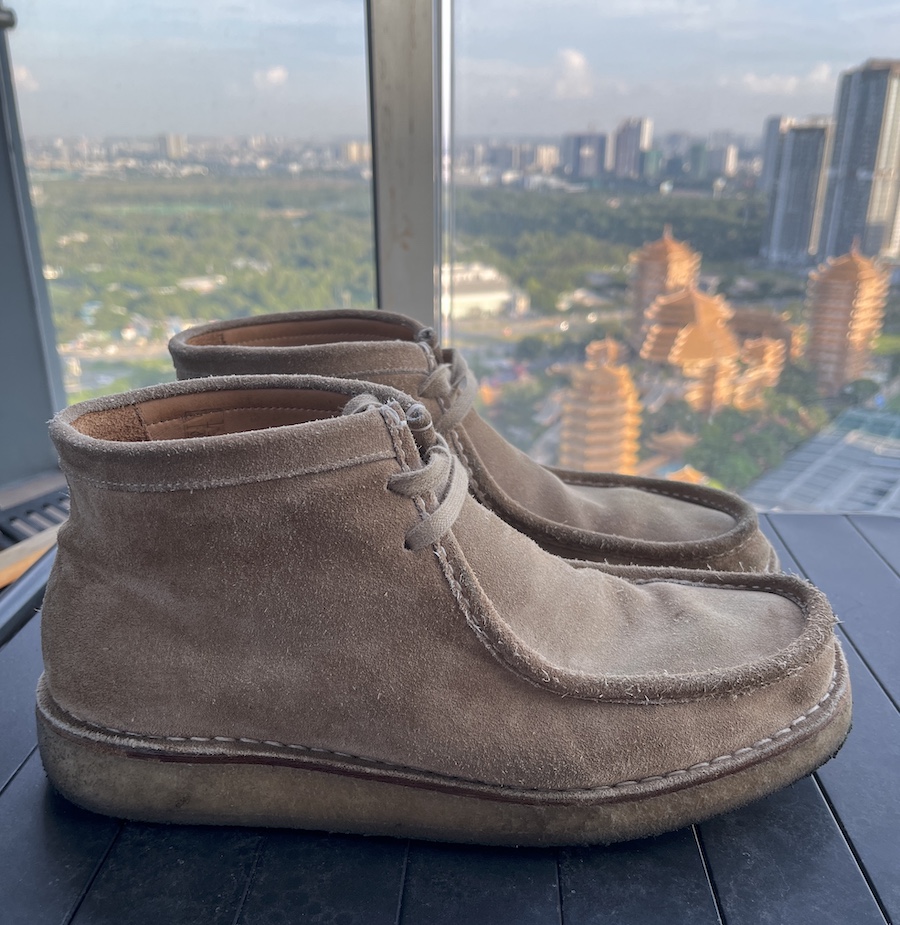

Light, soft, and casual, yet resoleable, longlasting, and sturdy underfoot.

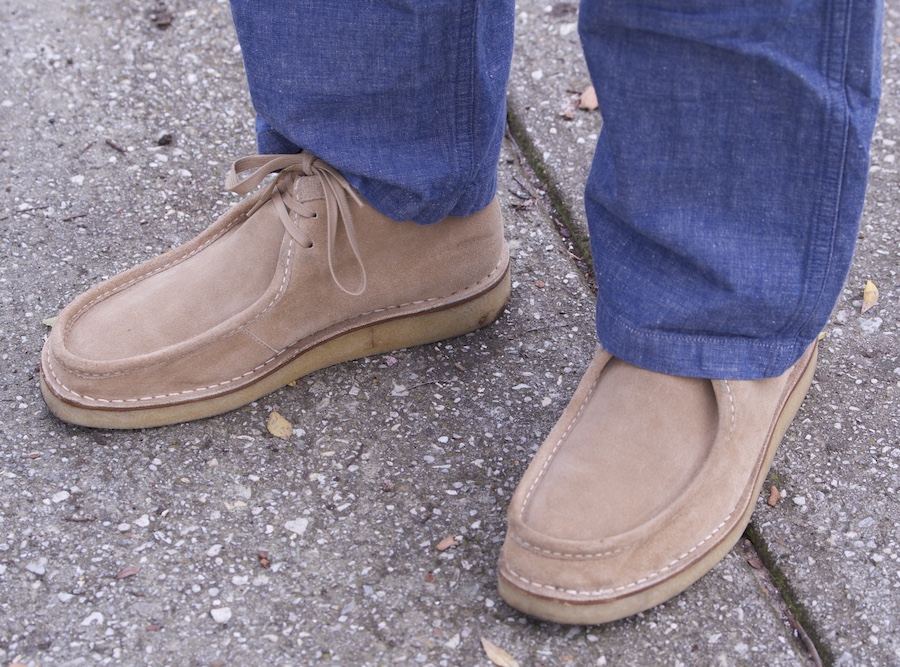
This kind of moc toe chukka boot appears to have originated in 1859 at a toll gate that was established at the Greak Brak River in South Africa.
The road was frequented by ox carts, and the tollkeepers noticed that the men accompanying them would wear through their shoes at an astonishing rate. So they did what any tollkeeper would do: start a nearby shoe company.
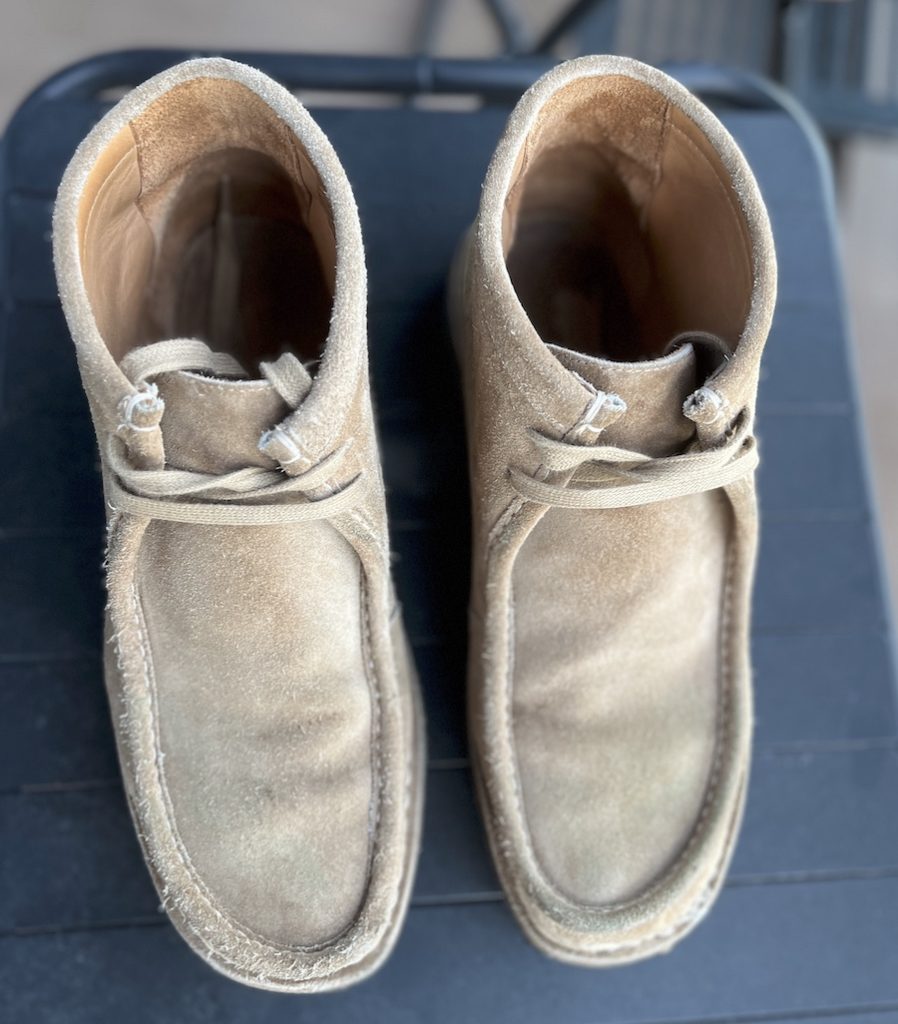
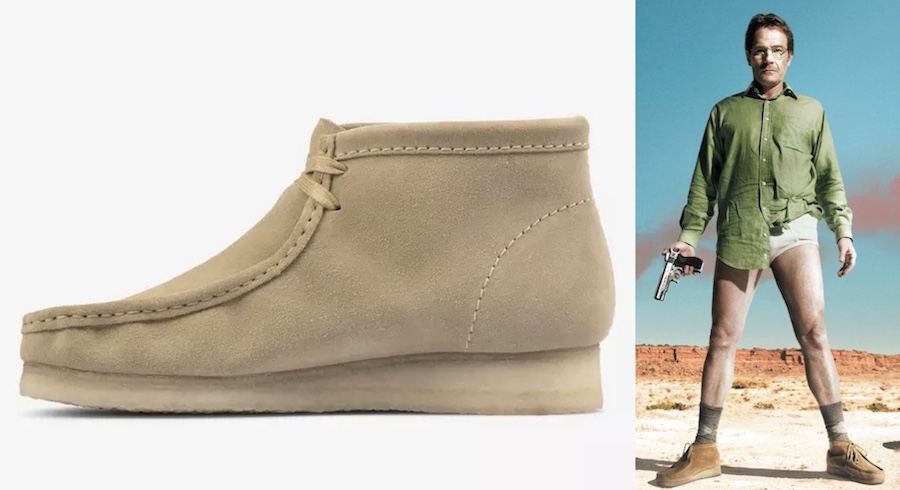
By the 1890s the Grasshopper boots were known nationwide, setting the stage for the British shoe brand Clarks to eventually release their rendition, known as the Wallabee, which became the global standard for this unusual chukka boot with a moc toe.
There’s no getting around the fact that people want to know how Thursday’s Roadrunner compares to the best known version of this style, Clarks Wallabee.
Light, soft, and casual, yet resoleable, longlasting, and sturdy underfoot.
Yep. I mean, look, “comfort” is extraordinarily difficult to define, but a big reason why people wear boots — even if they don’t need steel toes or jobsite use — is because they’re generally more stable than sneakers.
If you spend all day on your feet in sneakers, your foot muscles are more likely to get tired and sore from the micro adjustments they’re making all day trying to balance on that squishy sole.
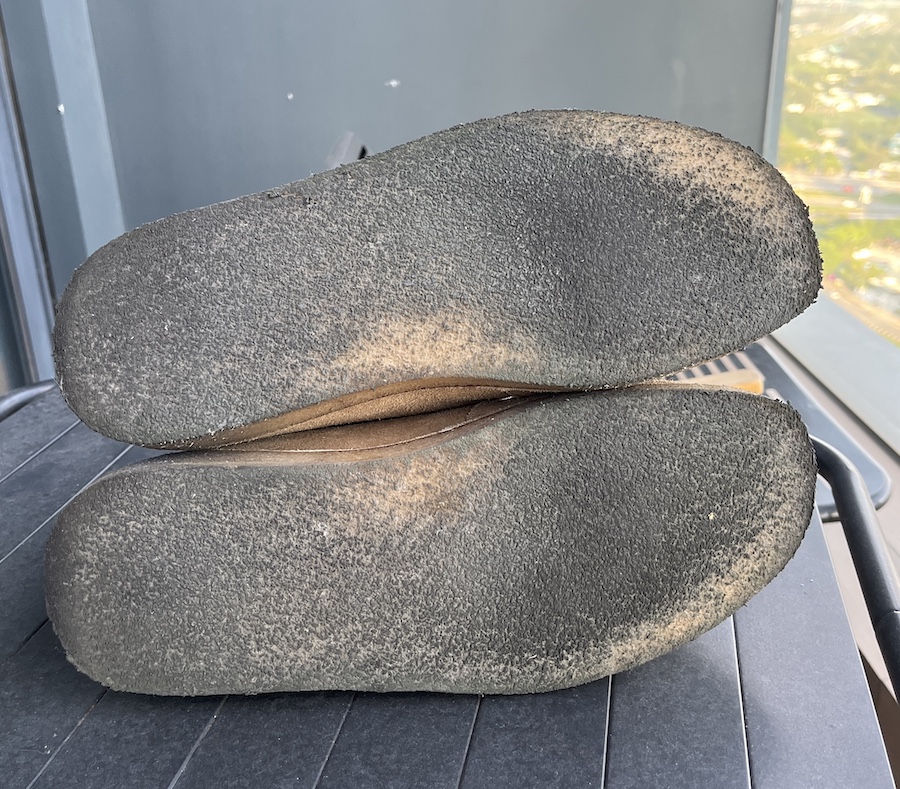
A lot of guys like Clarks desert boots and Clarks Wallabees because they feel so much like a sneaker. But that’s also why floppy, squishy, not-very-structured boots are way more likely to give you sore feet.
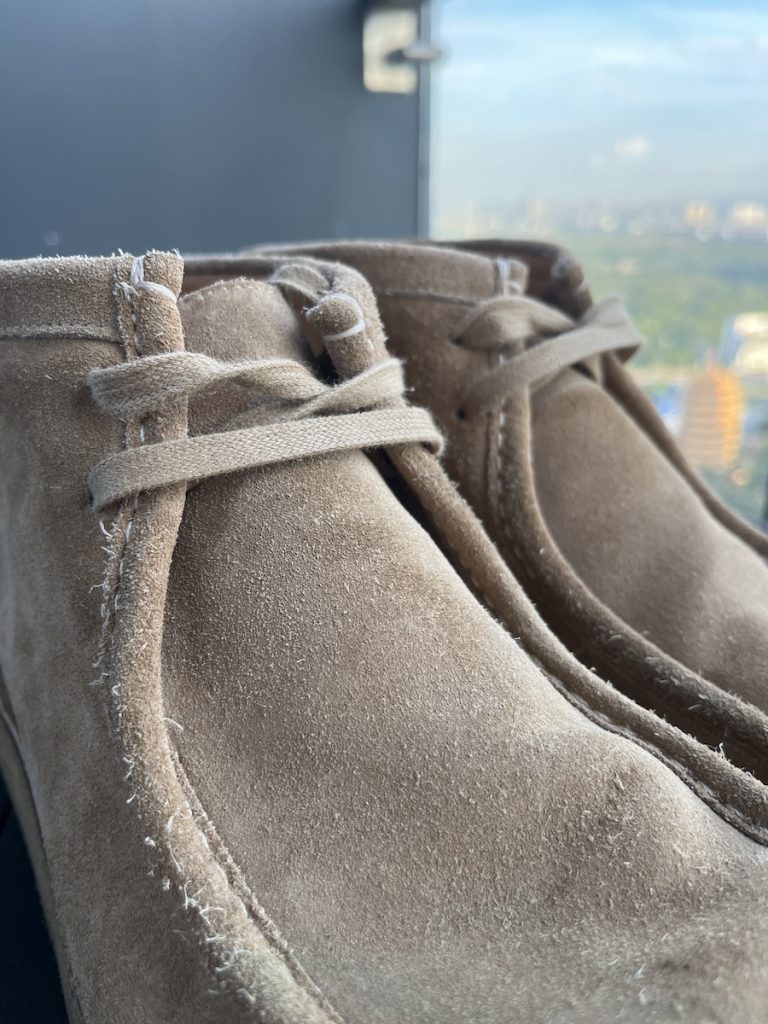
The Roadrunner has a crepe sole, but it’s the kind that you’ll see used by legit stitchdown bootmakers (like Oldspeed Mfg in Pennsylvania) it’s just as “natural” but it’s a lot firmer and offers the best middle ground between soft and sturdy.
Further Reading

Some like stability, others like softness — figure out what comfort means to you, then pick your boot.
Learn more →
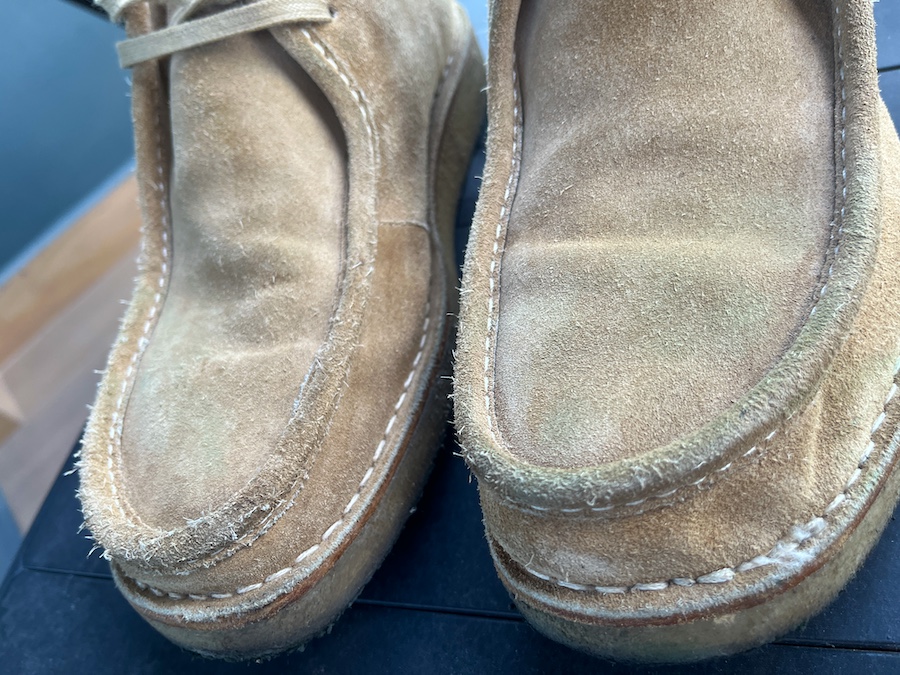
No, for two main reasons:
First, they have softer footbeds than most boots, which tend to use stiff, vegetable tanned leather. Many don’t know that a stiff footbed contributes to a tough break in as much as stiff leather uppers do.
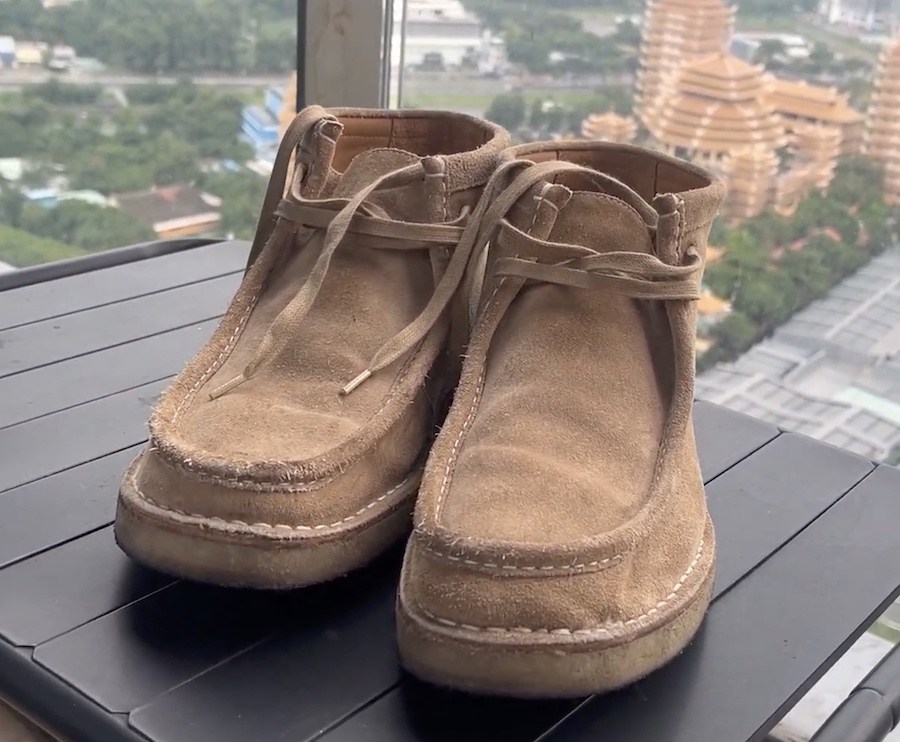
Second, the Roadrunners are made with stitchdown construction, not the Goodyear welt build you normally find on resoleable boots.
Stitchdown can be used to make boots that are tougher and heavier than your average Goodyear welted boot, but stitchdown can also be used to make boots that are lighter and more flexible.
For airy casual boots like the Roadrunner, stitchdown makes a lot of sense, and when combined with the comfort-first footbed, I’m pleased to report that I didn’t earn a single blister when wearing these in.
Light, soft, and casual, yet resoleable, longlasting, and sturdy underfoot.
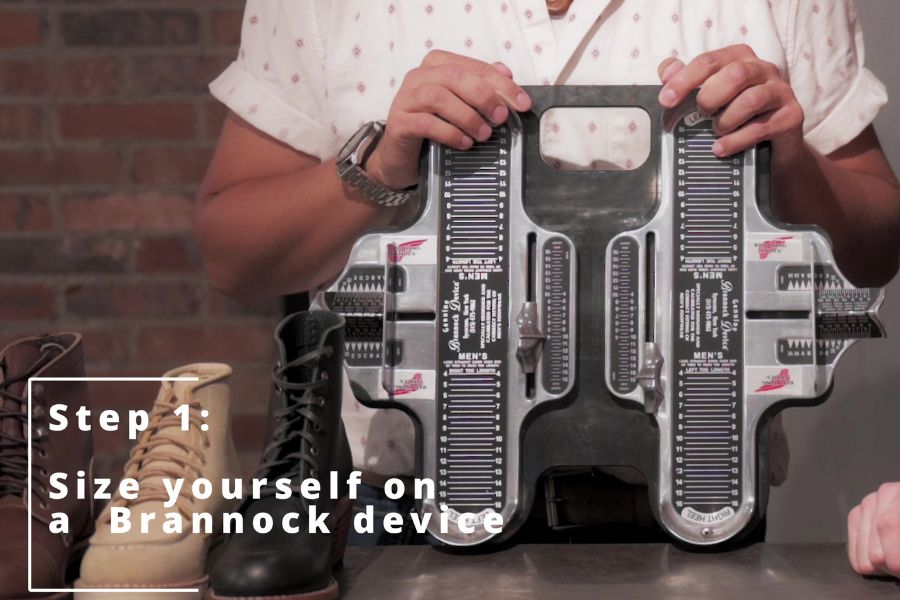
If you’re buying boots (especially if you’re buying them online), you can remove a lot of guesswork by getting yourself sized on a Brannock device, the foot measuring device they give you at the shoe store. This gives you your “true size.”
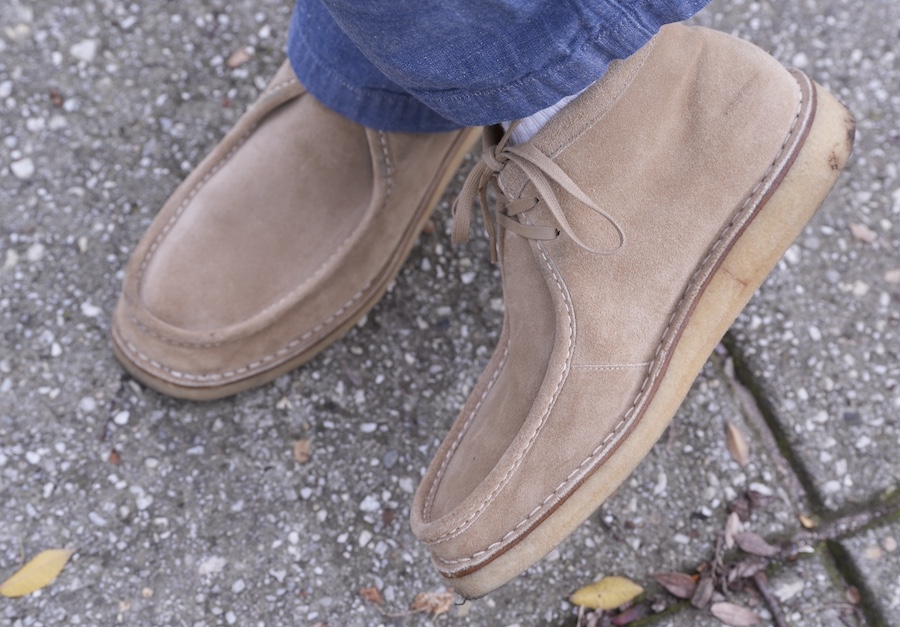
Most resoleable boots are Goodyear welted, and the sizing advice is usually the same: subtract half a size from your true size. I’m a tiny bit bigger than 11.5 on a Brannock, most of my sneakers are size 12, most of my boots are size 11 — including most of my Thursdays.
But the Roadrunner isn’t Goodyear welted, it’s made with a simpler and lighter (but still resoleable!) stitchdown construction, and I found that my usual boot size of 11 was a bit too small in the Roadrunners.
And I ordered these ones while visiting Australia, so one of Thursday’s famous fast-and-free sizing exchanges wasn’t really an option.
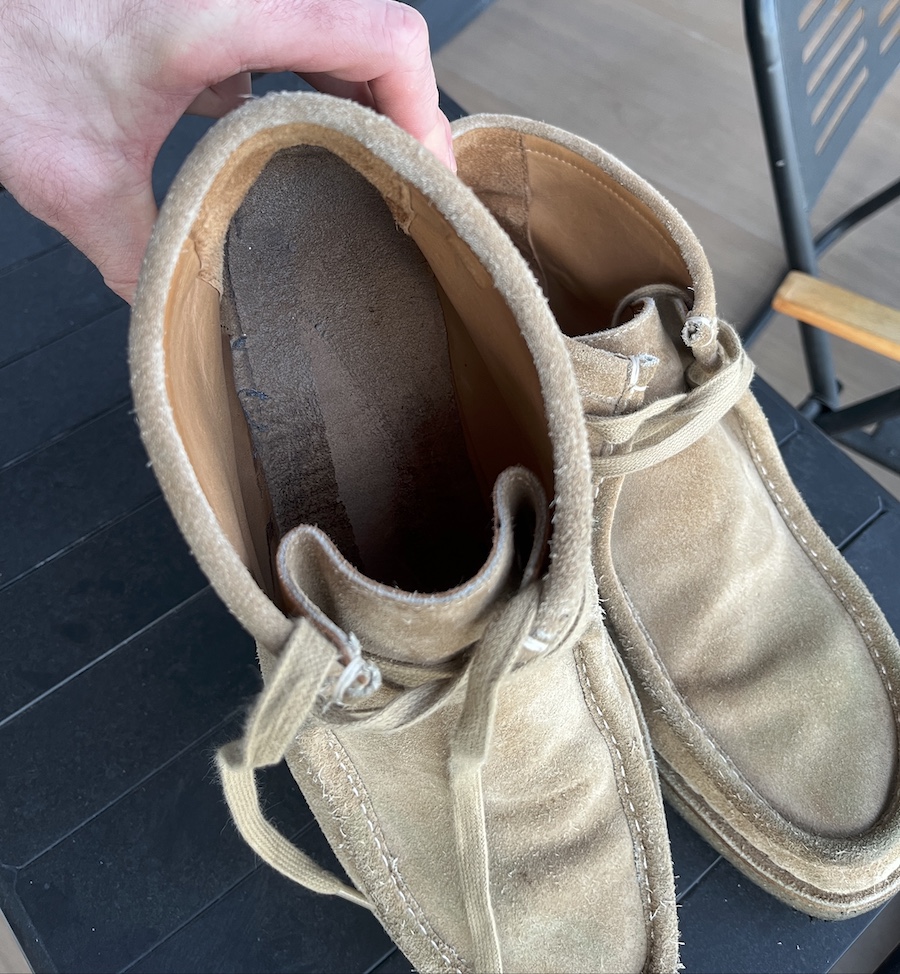
Fortunately, I knew a trick: removing the insole. If you pull out the footbed, it adds more volume to the inside of the boot, which can effectively make it fit like it’s a half size larger.
The Roadrunner’s insole is glued on, but it wasn’t hard to tear out. Now I’m standing on the leather midsole instead of shock absorbing foam, but since I still have the spongy crepe rubber sole, I don’t have any complaints about the shock absorption — and now the footbed is slowly forming to my foot’s shape in a way that the original footbed wouldn’t have done.
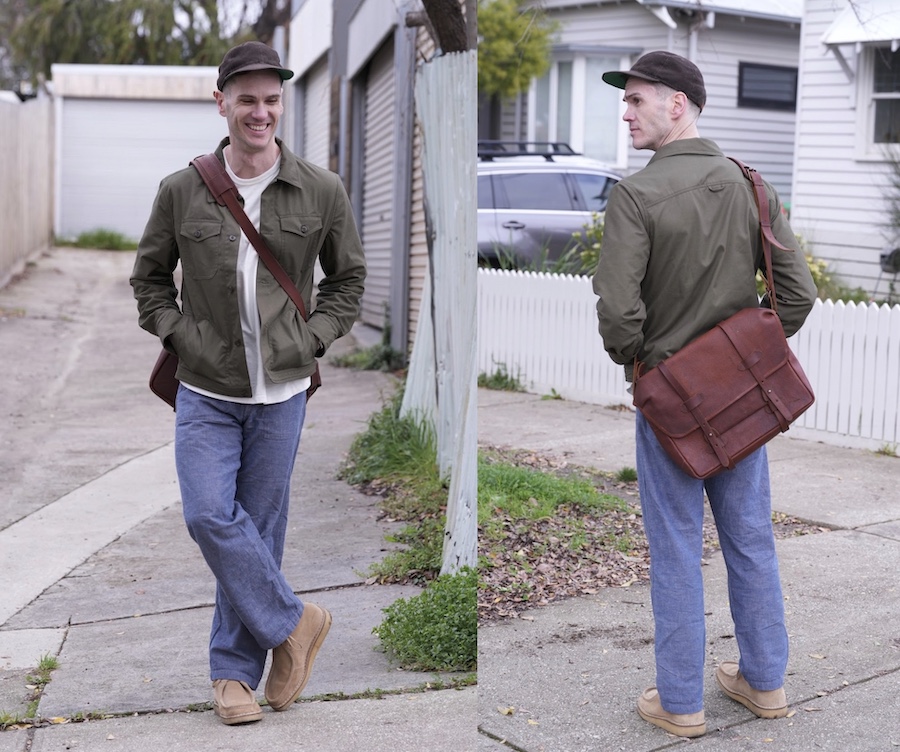
I’d have been happy with the original footbed, too. But it wasn’t the right size. So I’d suggest ordering a half size larger than your Goodyear welted boots.
If all that’s too confusing or if you don’t have access to a Brannock device, order a half size smaller than your biggest pair of sneakers and you should be fine — if not, you can tear out the footbed or just do an exchange. They’re free!
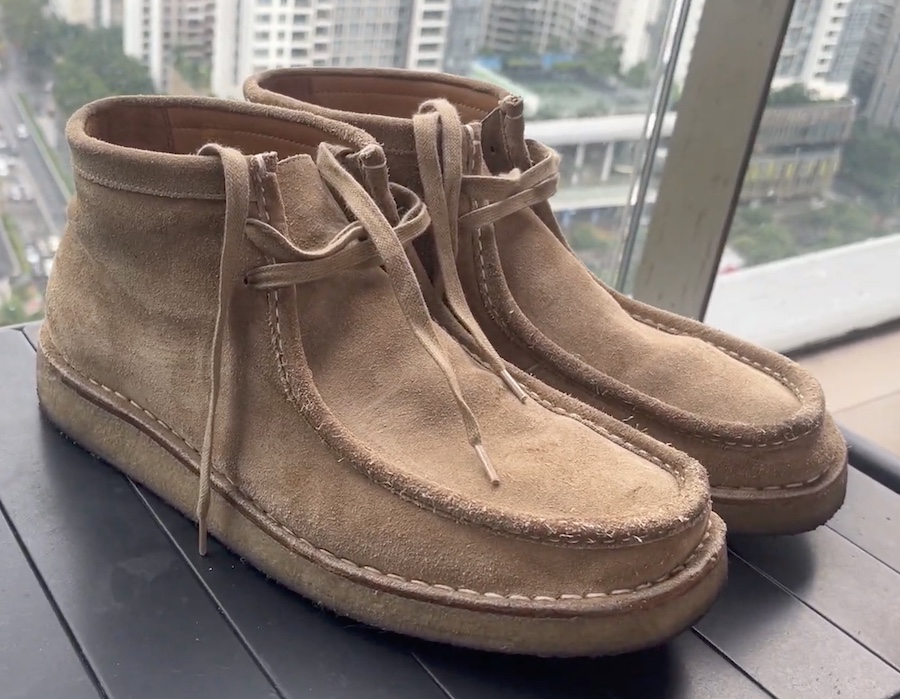
They’re absolutely worth it. The only other boot like this you’re likely to find is Clarks Wallabee, which is thirty bucks cheaper, but stronger materials and resoleable construction means the Roadrunners will last many, many years longer than the Clarks.
If you’re looking for a summer boot, you have a new option that combines lightweight comfort with boot-level longevity.
Light, soft, and casual, yet resoleable, longlasting, and sturdy underfoot.

This is my website, so I'll just write in first person. I'm the founder and editor of Stridewise, where I have spent nearly a decade covering boots and casual menswear.

by Nick English
Founded in 2018 to help men buy the best boots, we’ve since expanded our team and purview to review and celebrate casual footwear and menswear that’s as close to “buy it for life” quality as possible. We take great pride in being a trusted source for information while maintaining complete editorial independence. At no extra cost to you, we might earn a commission from a brand when you purchase through our links, which helps us keep our mission alive. Learn More
Casual Durable™.
Yup, we even trademarked it. Just because you’re dressed down, doesn’t mean you have to dress bad.
This site started to help guys find the best boots for their dollar and has since expanded to cover the highest quality casual menswear, from leather jackets to selvedge jeans to canvas bags — the kind of simple, fashionproof classics that help you get dressed without overthinking your “style.” Read more
Subscribe for an exclusive article to help you find the best deals on quality footwear.