Updated May 14, 2026

Stridewise
Boots, Denim and Casual Stuff

Expert Verified By: Michael Batson, Vice President, North Star Leather Company
Calfskin is not as popular as it once was, and there are two main causes: the decline of men wearing suits and the decline of the steakhouse veal chop.
But even though that’s the case, calfskin has multiple benefits that cowhide doesn’t, and perhaps the most surprising is that it’s both more formal and more durable.
If you’ve got questions, you’re not alone. I did too, so I went to Tennessee.
For this comparison between calf vs regular leather, we got in touch with two industry pros: leatherworker Michael Batson from North Star Leather Company and tanner Ed Gallun of Gallun Leathers. Ed appears in the video below, while Michael spoke to us over the phone. Watch the video! We went all the way to Tennessee to film it:
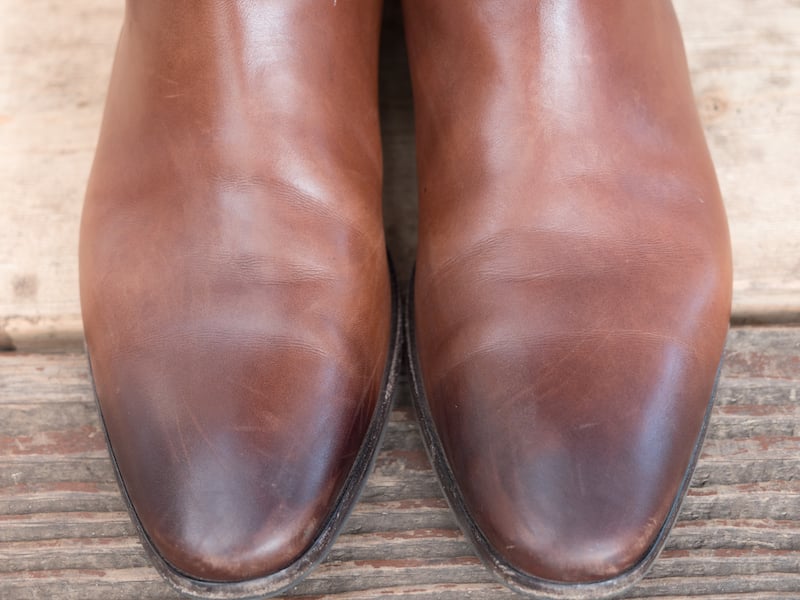
Calfskin is generally smoother and more consistent than cowhide, making it a favorite for dressy footwear.
Because it’s younger, calfskin is also denser — so it has greater tensile strength.
In this article (and all over the website) we say “cowhide” to denote the leather made from steer, the males that are farmed for their meat. Leather is almost always a by product of the meat industry; cows and bulls (steer that aren’t castrated) are seldom made into leather.
So what is calfskin, then? Isn’t it made from babies?
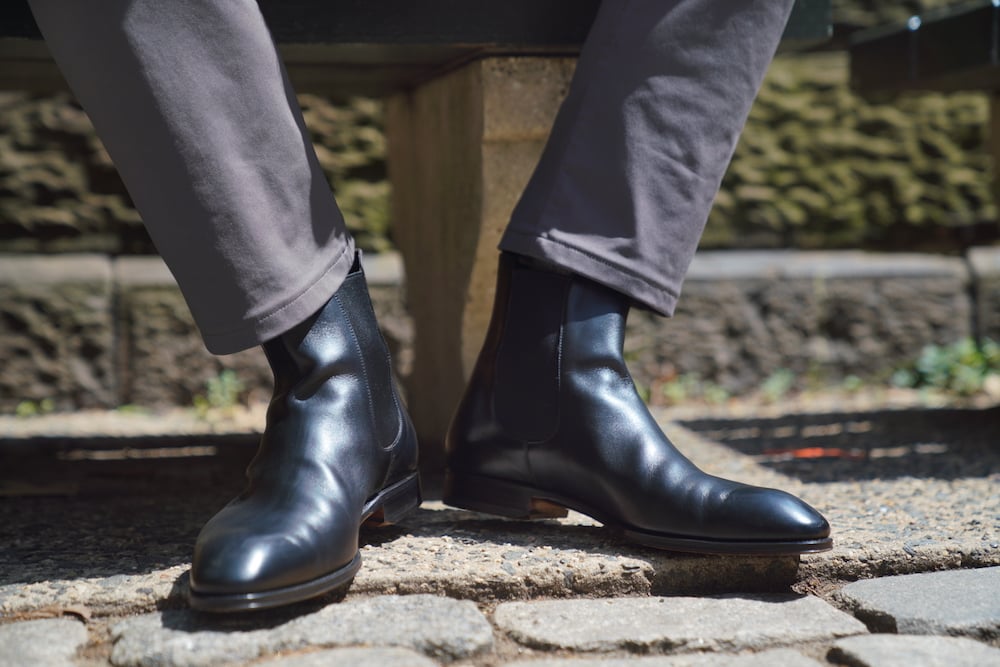
“The animals we source calfskin from are probably about six months old,” says Ed. “That’s just before the meat changes to red meat.”
This squares with European Union regulations that define “calf” as a bovine animal less than six months old.
Ed notes that once upon a time, calves would be taken to slaughter at a couple of months of age, but now they’re much larger: his average cattle hide is 18 to 25 square feet, the average calfskin is 10 to 15 square feet.
“All calfskin is a byproduct of the veal industry,” further explains Ed. “When veal was a big part of the diet, a lot of Western Europeans were migrating to the midwest of the United States and the market was, probably, a 50/50 mix of calf and beef compared to what it is today.”
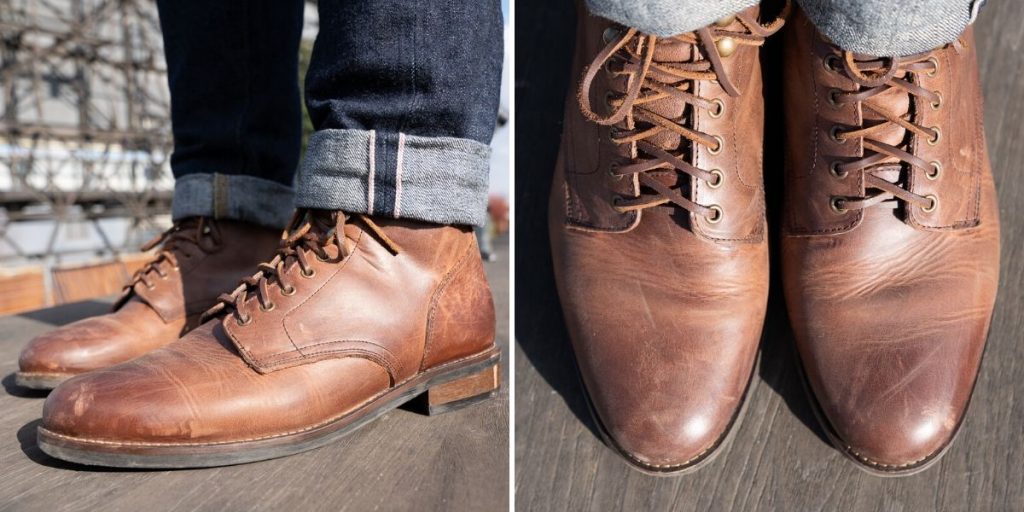
(Leatherworkers tend to use “hide” for larger animals and “skin” for smaller ones: goatskin, lambskin, calfskin versus steerhide, horsehide, bullhide.)
Baby calf is its own category: about 8 square feet, very lightweight, and very rare. Then there’s slink leather, also called slunk skin or, surprisingly, chickenskin: that’s cow leather made from unborn animals that were born prematurely or aborted.
Too thin for footwear, Valerie Cummings writes in her book Gloves that in the late 18th century, slink was used in Irish Limerick gloves, which were:
so fine and supple that they were often sold as a novelty, encased in a walnut shell, examples of these exist in various private and public collections.
Slink is very rare today, and we’re not really here to talk about it. This article is just about calfskin.
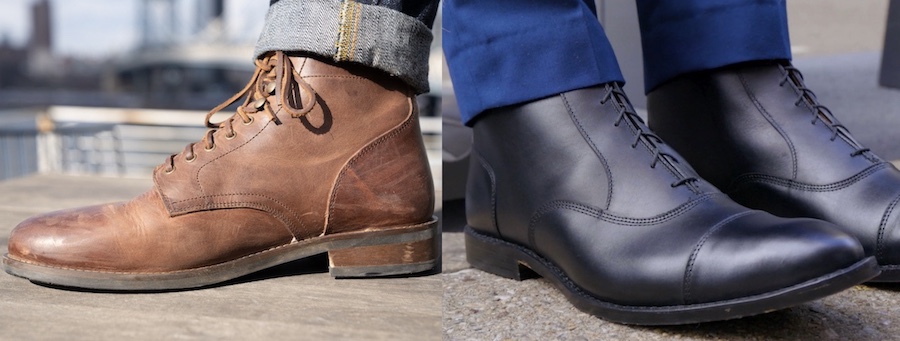
“The benefits of a younger animal are a cleaner skin,” says Ed, meaning the leather has a more consistent appearance. “The animal hasn’t been around long enough to catch a lot of damage and scars.”
There are a few important consequences to the fact that calves haven’t “been around” as long as cows.
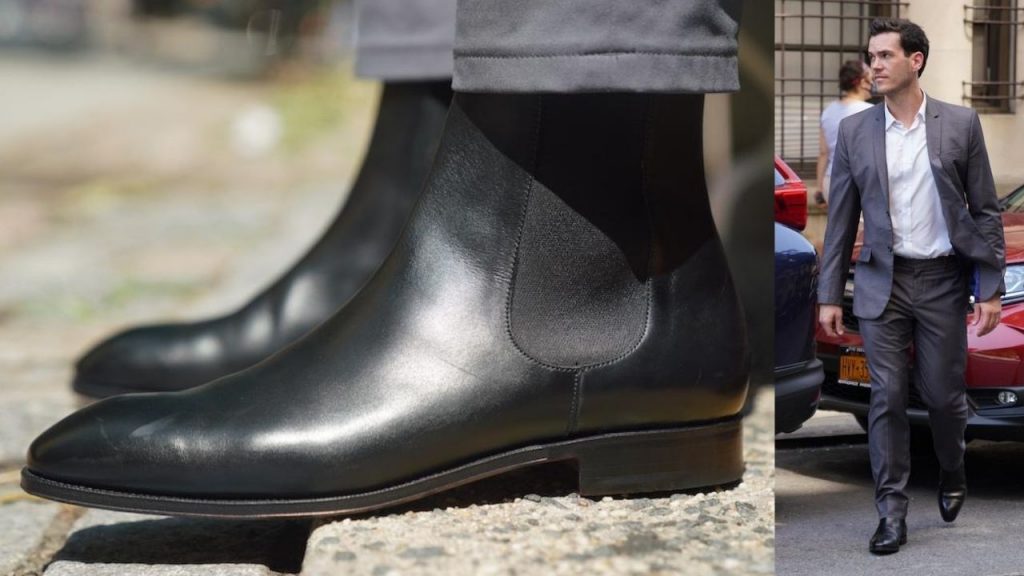
Fewer scars, sure, but also fewer wrinkles, loose grain, and other features that make a leather look more casual. When you’re wearing a suit or a tux, you don’t want a ton of dynamism and color variation and patina on your shoes. You choose the “fine grain” of calfskin instead.
“The hair follicles are much more tightly packed because of the age of the animal,” says Ed. “When you get an older animal, the hair follicles are literally more spread out and more pronounced. Calfskin usually has less ‘character’ and doesn’t wrinkle as much.”
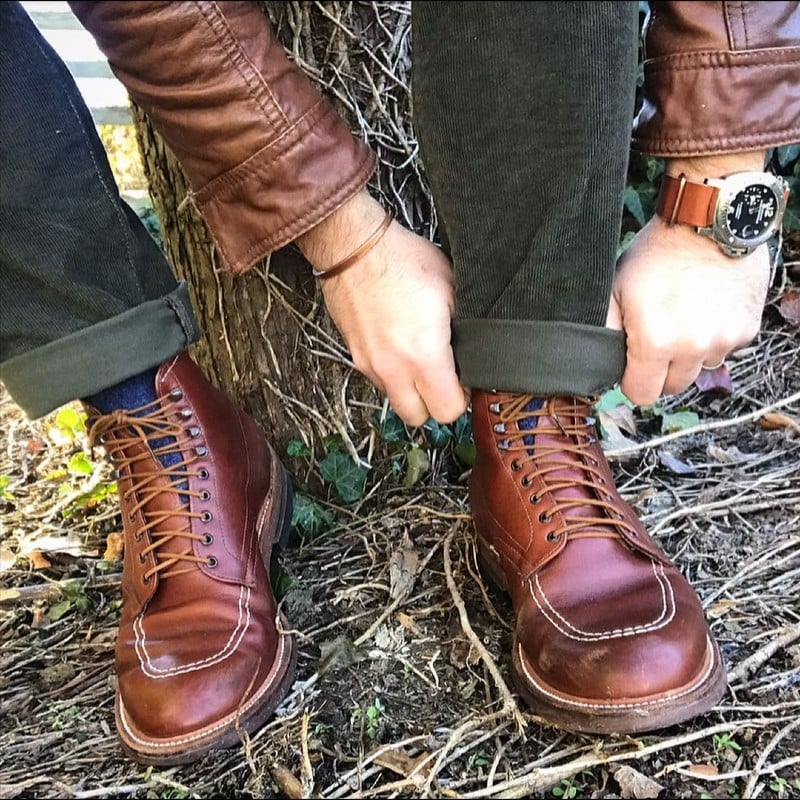
Because the animal hasn’t grown and the skin hasn’t stretched and expanded, calfskin is denser than cowhide. The skin fibers haven’t spread out as much as a grown animal: on a per-square-inch basis, calfskin has greater tensile strength.
“Calf will even be stronger even when split thinner,” adds Batson. “You can split calf very thin, and it keeps its structural integrity better than cow.”
Yep: even though you might associate “young animal” with “delicate and dainty,” calfskin is actually denser, stronger, has a tighter fiber structure, and displays less wrinkling as it wears.
“But,” Batson hastens to add. “The differences in calf versus cow have a lot more to do with how it’s tanned and produced than how old the animal is. It’s impossible to make too many generalizations.”
He’s right: how leather’s made usually has a bigger impact on its performance than what animal provided the hide. Nonetheless, it’s easier to compare two animals of the same age: calfskin is denser and has a finer grain. Dressier and stronger. What a combo!
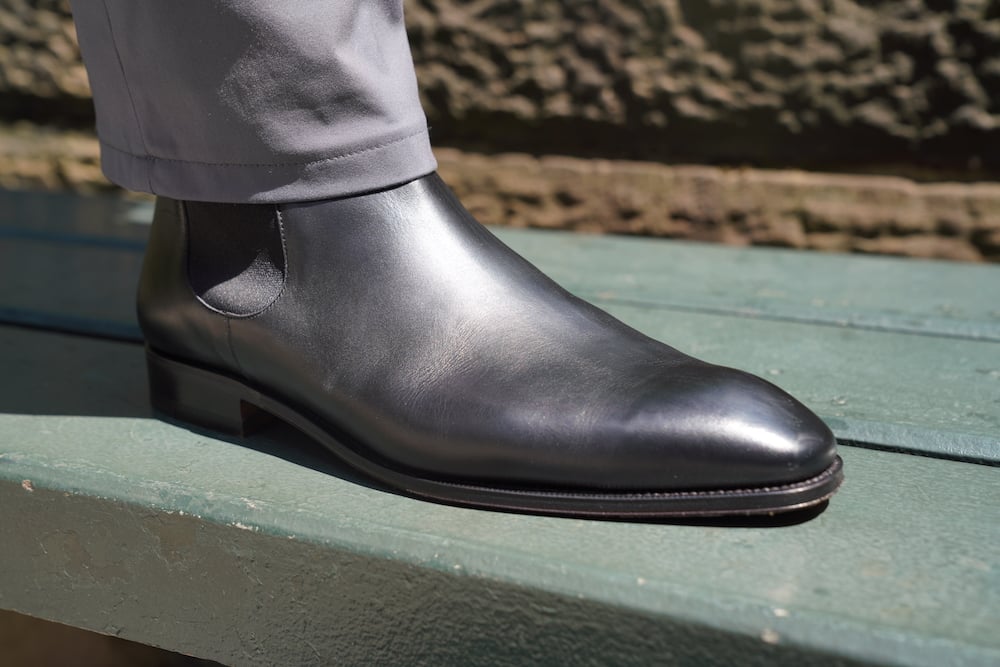
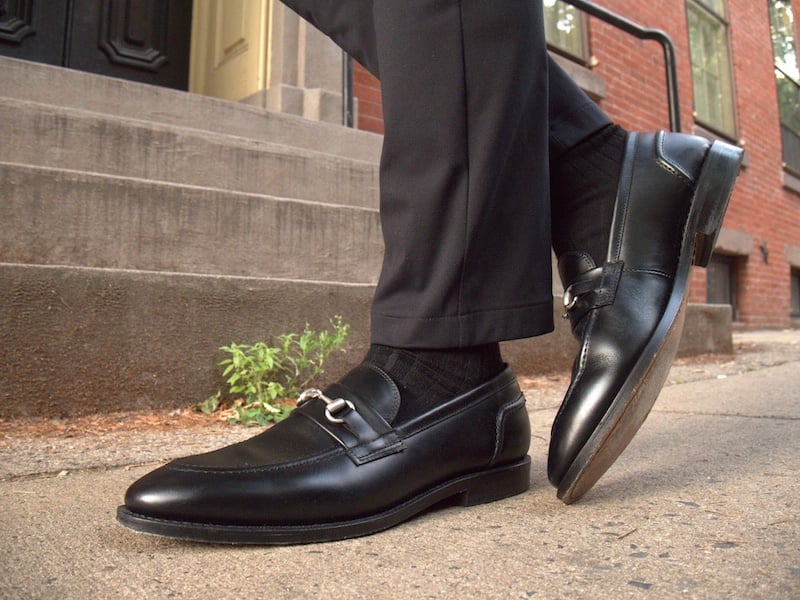
As we’ve shown with the pictures in this article, not all calfskin is formal, but box calf is. You can be confident that you can wear it with a suit if you see footwear made from box calf.
“In my 40-year career in the leather business, French box calf was always the preeminent product for high-end dress shoes,” says Ed. “It’s a full-grain and very aniline piece of leather, so nothing is being hidden or artificially smoothed down, nothing’s been done to enhance it. It forces you to use the most pristine calfskin.”
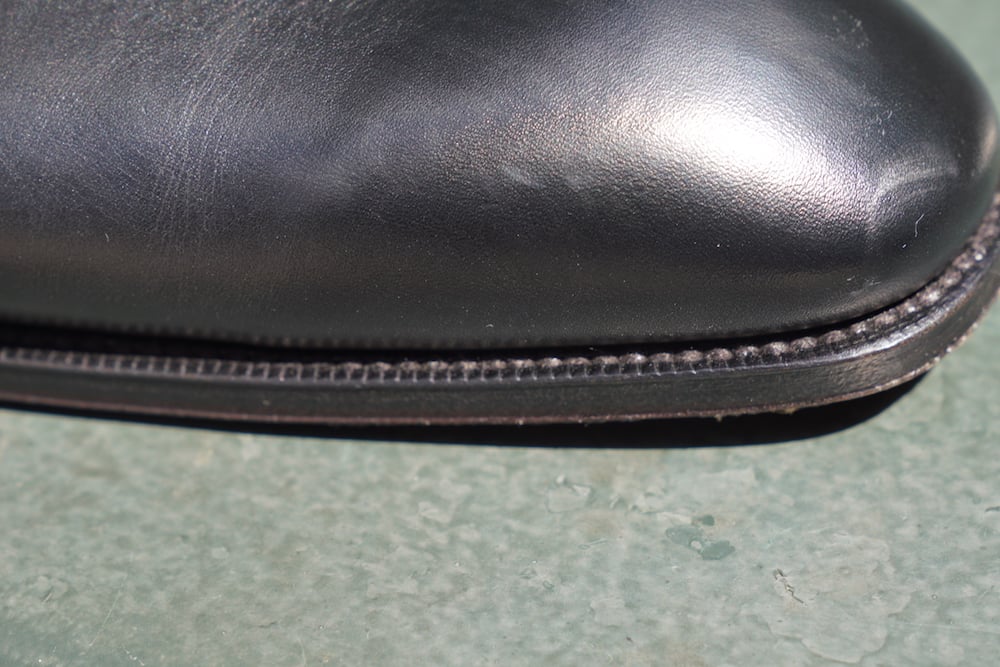
Ed gave us a longer explanation that’s a little dense with leather chemistry, but the basic gist is that when people use the word “aniline” to describe box calf, they mean it has no pigment in the finish to improve the grain or make it look more uniform.
In the same way you can paint over a flaw in wood, you can use pigments and other tools to conceal flaws in leather. Not when it’s box calf.
“You can’t hide any defects when it’s box calf,” says Ed.
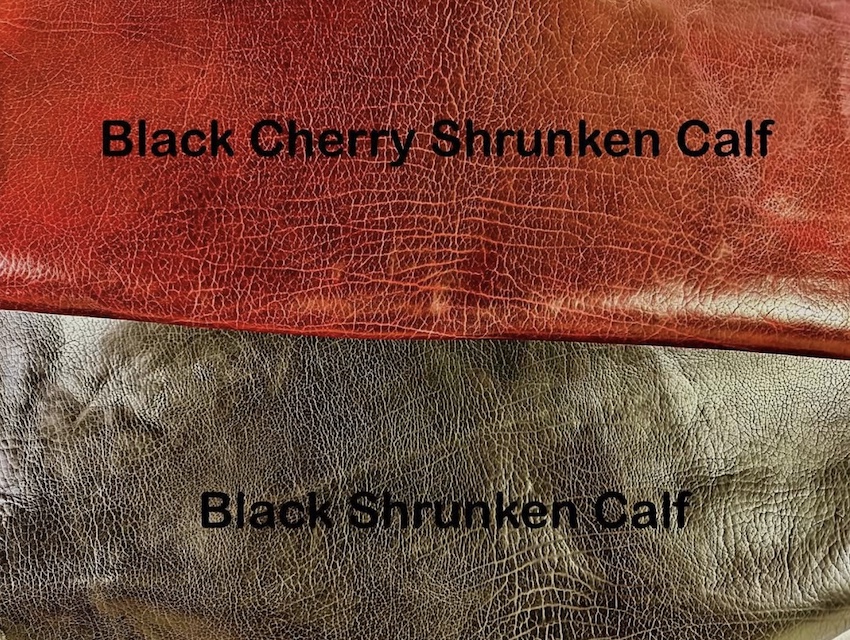
Just when you thought calfskin had to be dressy.
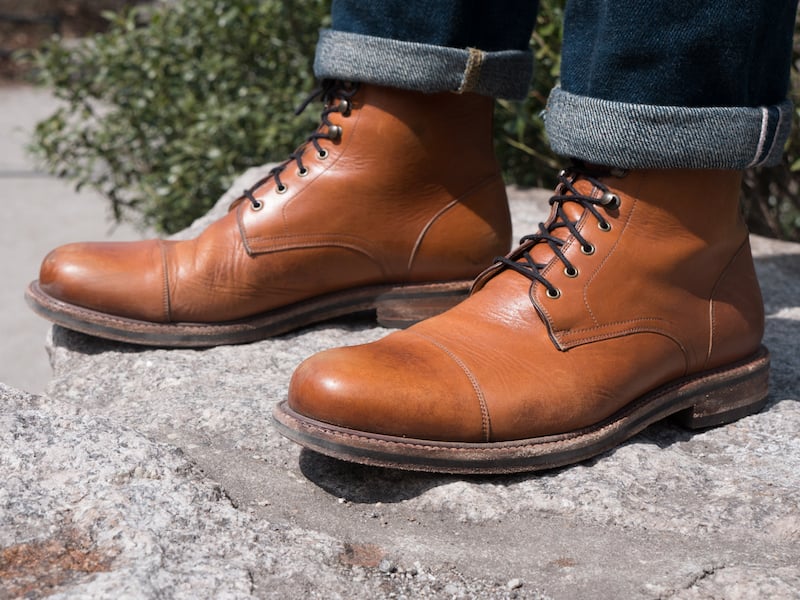
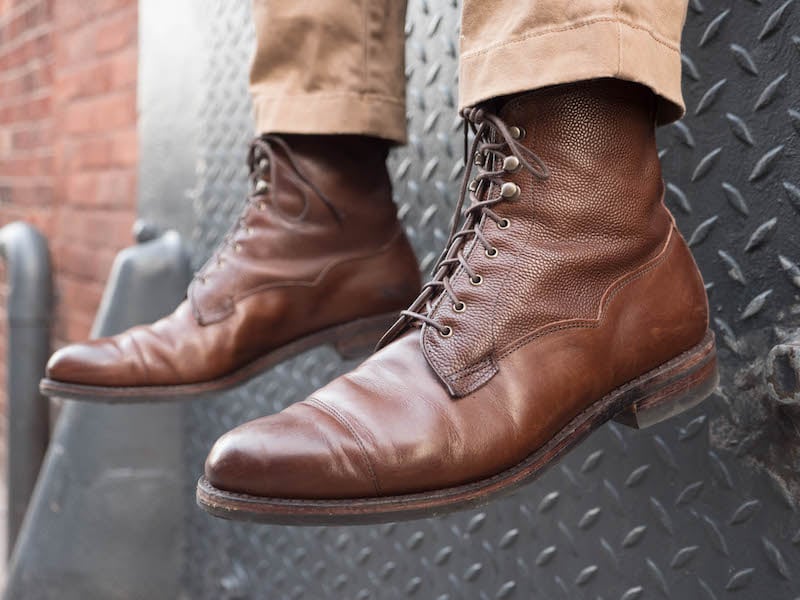
Shrunken grain is a popular kind of leather you can make from a variety of animals (shrunken bison is a well-loved variant). Believe it or not, it’s what it sounds like: the process leaves the hide smaller, yet denser and thicker.
Ed explains (even though we didn’t understand everything):
“We shock it when it’s in the pickle, then we use a glutaraldehyde chemical to actually create a pucker in the leather, which accentuates all the natural features that are already in there,” he says. “On a lot of our shrunken calfskins, we’ll also hit them with wax and heat to give the leather extra water resistance and to give the color a nice ‘high low’. It’s an incredibly casual leather, even though it’s calfskin.”
Gallun Leathers in the United States of America, of course!
To be a little more objective: Gallun is a leader in American calfskin, especially in its extra-tough and casual forms, like his range of shrunken calfskin and his especially dense, full vegetable-tanned leathers.
For folks looking to buy more formal calfskin shoes, look for box calf leather from France’s Tannerie d’Annonay or Tannerie Du Puy. Germany’s Weinheimer is also considered one of the best, especially for black box calf.
[Related: The 5 Best Leather Tanneries on Earth]
Whether your leather’s from Europe or the United States, calfskin used in leather is primarily a byproduct of the European veal industry. Calves are raised for their meat, tanneries process the hides, and shoemakers use the hides to make shoes and boots.
“A bone-in veal chop is a customary order at most steakhouses. Veal is always going to be there,” says Ed. “But the veal is not produced for the leather. It is literally a meat byproduct — just like cattle hide.”
Calves used for veal have historically suffered inhumane conditions; specifically, the use of veal crates, poor nutrition, and limited natural lighting.

Progress has been made, though: in the European Union (where your calfskin comes from), veal crates were outlawed in 1996. EU law was then further refined with Directive 2008/119/EC, titled “Minimum Standards for the Protection of Calves.”
“The Directive, amongst other things, sets out minimum dimensions for individual pens and for calves kept in group. Calves are not to be tethered (except under very specific circumstances) and must be fed according to their physiological needs. In particular their food must contain sufficient iron and a minimum daily ration and fibre food must be provided.”
While these laws are an improvement, many individuals and shoe companies, like Thursday Boot Company, still draw the line at using calf leather.
Yes, usually.
“Part of that is because is veal is just not eaten as regularly as beef anymore, so it’s a smaller scale and there’s less available,” says Ed. “But to be honest, you make some of that back up in your yield gain: calfskin is cleaner and less damaged than cowhide, so you can use more of it.”
This is really to say that if you’ve got a piece of calfskin and cowhide from the same farm and the same tannery, the calfskin will likely be more expensive.
But given the huge variety of how hides are sourced and tanned and turned into shoes, there are way too many other skills and jobs that go into producing your footwear to be able to definitively state that a calfskin shoe will be more expensive than cowhide.
Generally speaking, calfskin is distinct from cowhide because of its smoother appearance and denser fiber structure.
Its fine grain makes it a favorite for dress and formal wear, but calfskin can also be made in such a way that it suits rugged, outdoorsy boots too. (You just don’t see them very much because customers assume calfskin is more delicate than it is — and the buyer dictates the market!)
A tough boot in shrunken grain calfskin is a great alternative to run-of-the-mill casual boots. But if there’s something unique about calfskin, it’s the fact that box calf is the undisputed best leather for formal footwear.
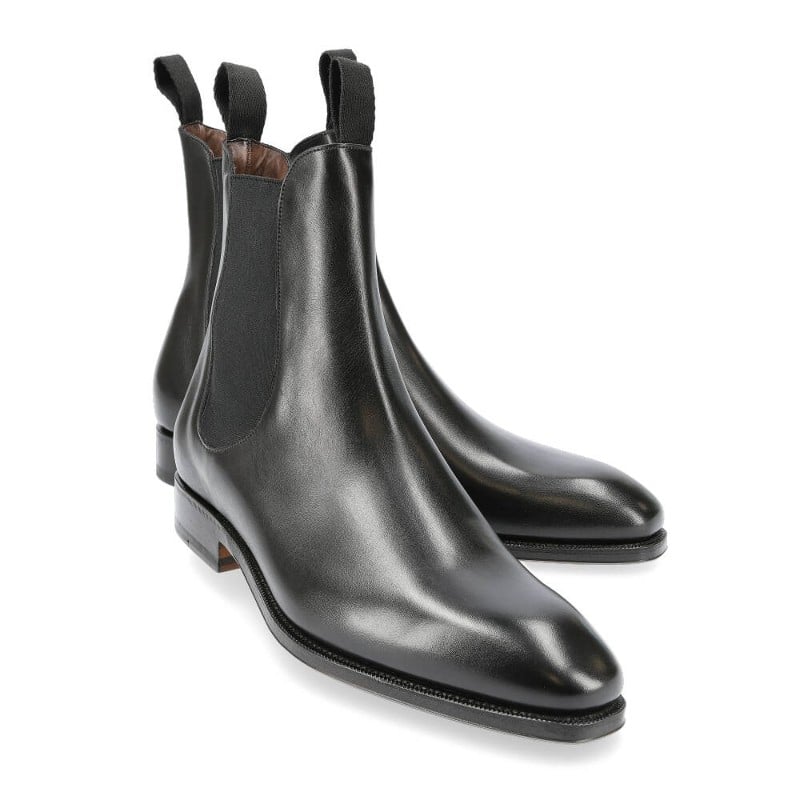
Founded 1866, Carmina has a world class reputation for delicately lasted dress boots with surprisingly durable and flexible construction.

This is my website, so I'll just write in first person. I'm the founder and editor of Stridewise, where I have spent nearly a decade covering boots and casual menswear.

by Nick English
Founded in 2018 to help men buy the best boots, we’ve since expanded our team and purview to review and celebrate casual footwear and menswear that’s as close to “buy it for life” quality as possible. We take great pride in being a trusted source for information while maintaining complete editorial independence. At no extra cost to you, we might earn a commission from a brand when you purchase through our links, which helps us keep our mission alive. Learn More
Casual Durable™.
Yup, we even trademarked it. Just because you’re dressed down, doesn’t mean you have to dress bad.
This site started to help guys find the best boots for their dollar and has since expanded to cover the highest quality casual menswear, from leather jackets to selvedge jeans to canvas bags — the kind of simple, fashionproof classics that help you get dressed without overthinking your “style.” Read more
Subscribe for an exclusive article to help you find the best deals on quality footwear.
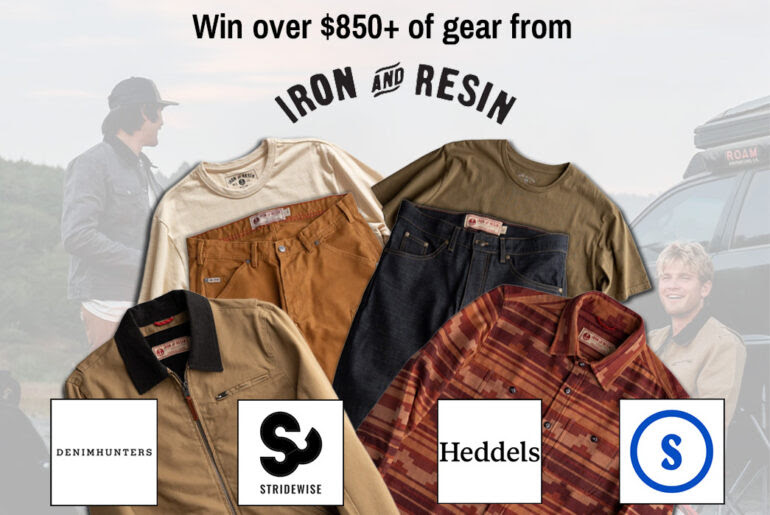
Enter the Iron & Resin Giveaway by October 26, 2026 to win an $850+ package of their heritage-style gear, including selvedge denim, flannels, canvas pants, a jacket, and t-shirts.
Entering is simple — just submit your email via the entry page.
Enter the Iron & Resin Giveaway by October 26, 2026 to win an $850+ package of their heritage-style gear, including selvedge denim, flannels, canvas pants, a jacket, and t-shirts.
Entering is simple — just submit your email via the entry page.