Updated Apr 30, 2026

Stridewise
Boots, Denim and Casual Stuff
I’ve reviewed dozens and dozens of boots on my YouTube channel, and when a boot’s as inexpensive as Meermin’s Chelsea, it’s usually easy to figure out why.
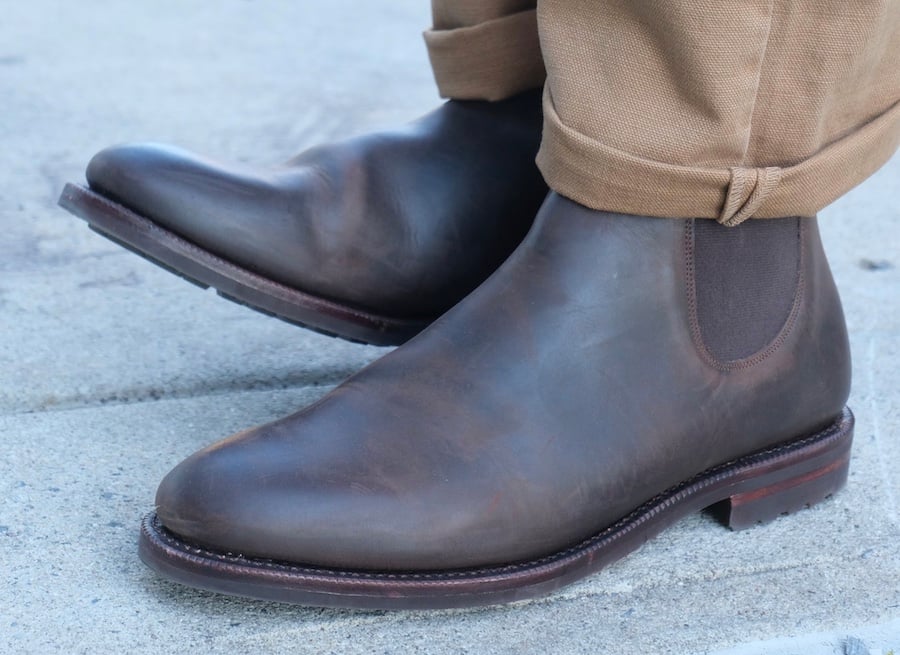
But in this case, it was surprisingly hard to understand Meermin’s price. It’s resoleable, made with leather from famous tanneries, it arrives at your door quickly, and it’s even wholecut — that means it’s made with only one piece of leather, a famously expensive way to make a Chelsea.
I spent a year wearing these wholecut Chelsea boots from Meermin so I could tell you why it’s great, what you might not love, and how to figure out the fit and sizing of the Negon boot.
You might have thought that lengthy introductino meant I was going to take all day to tell you the pros and cons of this boot, right? Don’t worry, here’s a summary of my findings.

Both easy to resole and unusually flexible, Meermin still produces some of the best value Chelsea boots on Earth.

Further Reading

From super casual to super luxury and even combos of both, these are my favorite Chelseas on the market. Learn more →
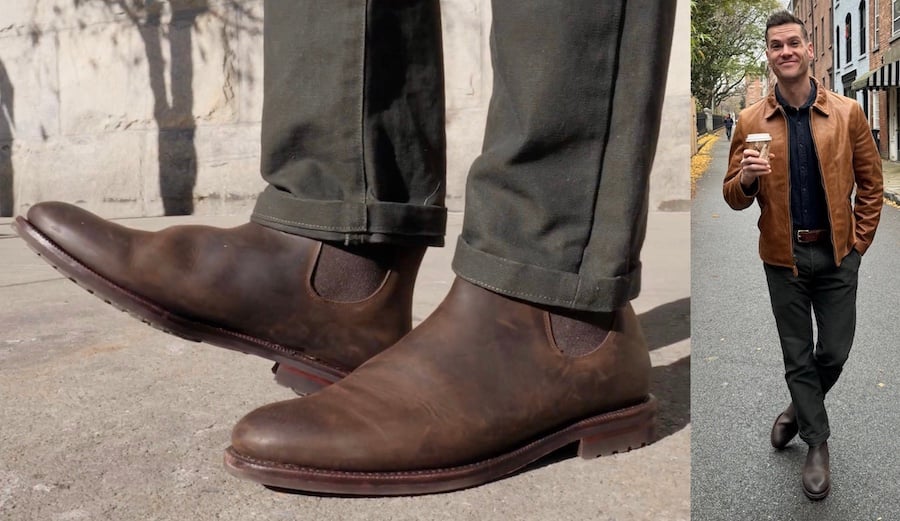
Meermin is a Spanish brand, and I got a bit into their history in my review of their loafers. While they’re made in China, the brand’s ethos, designs, and most importantly their fits are very European — and that’s often a problem for Americans.
Europeans tend to not only prefer the feeling of a slimmer fit, but the average foot is literally slimmer in continental countries known for their footwear, like Spain and Italy.
That’s why, when Meermin first entered the US market, they were a little slow to make inroads: their footwear was just too goddamn slim.
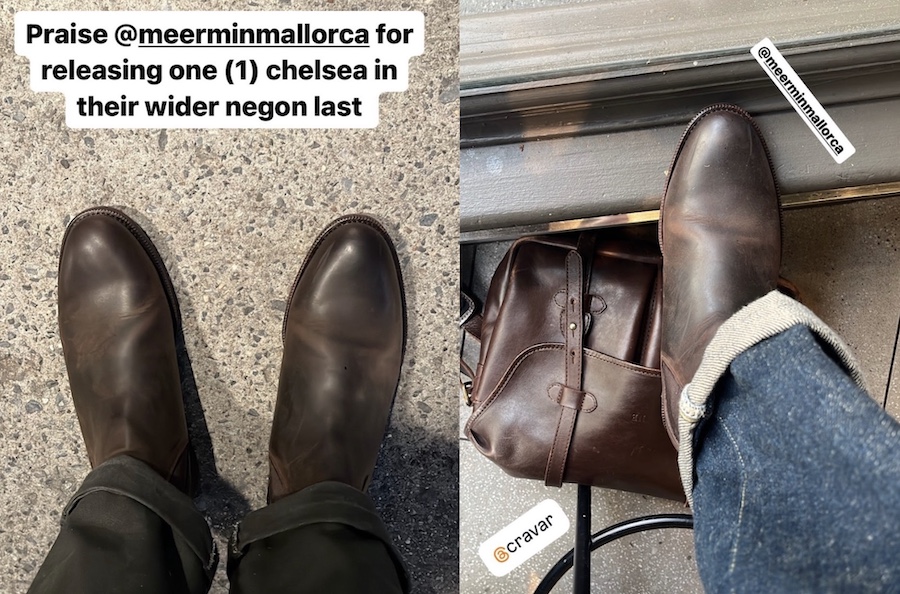
But in the 2020s, they realized that Americans prefer roomier fits and they started selling footwear in more voluminous, American-friendly lasts. (A last is the foot-shaped mold that you build a shoe on, and it dictates the fit and the shape.)
For their loafers, the wider last is the Sway. For boots, it’s the Negon, which has a nice, roomy forefoot that they initially just used on American-style lace-up work boots. Now they’ve finally used it for the boots they’re best known for: the Wholecut Chelsea.
It’s worth emphasizing that while it’s relatively roomy for a European Chelsea, it’s relatively flat: the toe is low profile and it’s snug on the instep, which was great for me.
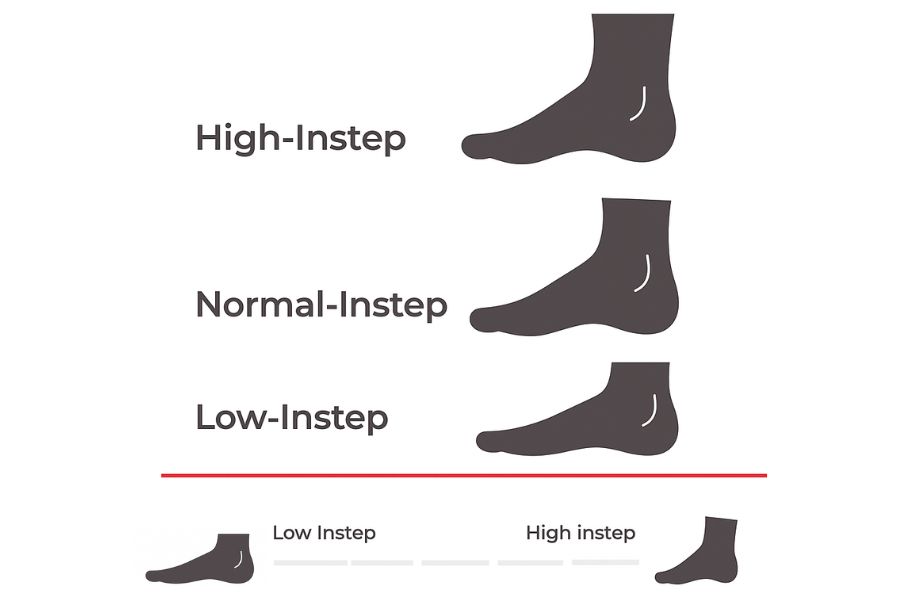
The instep is the area on top of your foot at the rear, where it meets your ankle. Whether you have a high, medium, or low instep has a huge effect on how well a Chelsea boot will fit you and whether you’ll experience heel slip.
I happen to have a low instep, which means most Chelseas just don’t fit me and I have to add a tongue pad or an insole to fill some extra volume. But Meermin’s Negon Chelsea, while unusually roomy, is still “slim” on the instep: it’s great for my low instep and will also work well on a normal instep.
Since I’ve been talking about the fit, I’ll touch on the sizing and then the comfort.
Generally speaking, UK sizes are one whole size smaller than American ones: a UK 10.5 UK is an US 11.5.
Just remember that there are probably differences between your boot size, Brannock size, and sneaker size.
In the US, my “true size” is 11.5, about half of my sneakers are size 12 (the rest 11.5), and I’m 11 in almost all of my boots. In these Meermin Chelseas, I’m 10.5 UK.
A Brannock device is the one that sizes your foot in the shoe store. It’s your “official” size and often called your “true size”. It’s how we standardize foot sizes in the United States — not that footwear brands have to pay any attention to it.
Most of your sneakers are probably a half size larger than your true size, and if you own Goodyear welted boots, they’re probably a half size smaller. I’m 11.5 Brannock, 12 in about half my sneakers, and 11 in almost all of my boots. Those are all in US sizes: I’m 10.5 in UK sizing, and that’s my size in Meermin’s Negon Chelseas.
I emphasized in the previous section that these Chelseas fit me well even though I have a low instep, and I think you can also follow this sizing advice if you have a normal instep. If you happen to have a high volume instep, you might want to consider subtracting just 0.5 from your Brannock instead of a whole size.
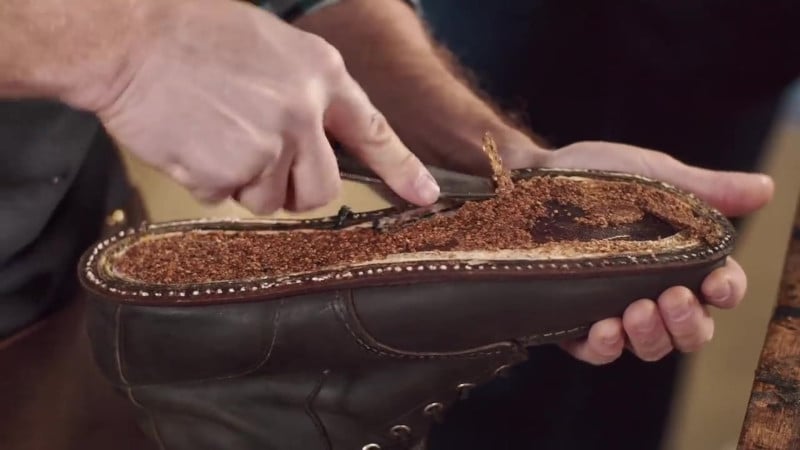
Most resoleable boots are made with a complex form of construction called a Goodyear welt. The most traditional version has a leather insole, a layer of cork underneath it, a leather midsole, and an outsole made of whatever: leather, rubber, or crepe.
Besides how durable, water resistant, and resoleable this construction is, the best thing about it is that the leather and cork slowly mold to the shape of your foot, eventually producing what feels like a fit custom made to your foot.
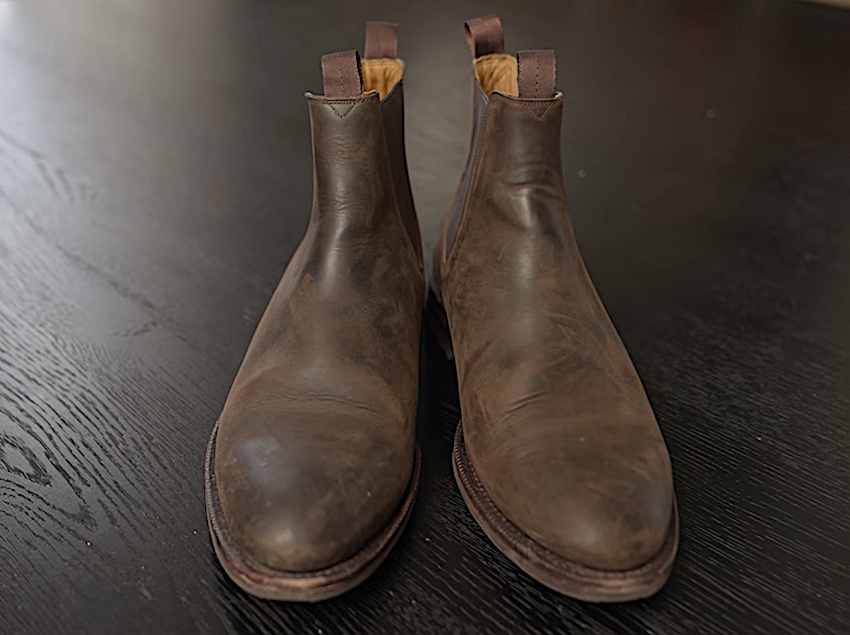
The difference with this particular Chelsea boot from Meermin is that they swapped out the cork in the front half of the boot with some foam. That’s why they call it a Flex Goodyear Welt, and it probably contributes to the low-ish price.
After about a year of wearing this boot, I can attest: it is lighter, more flexible, and more shock absorbent than a traditional boot. It won’t produce the exact same kind of “shaped just like your foot” comfort as a traditional Goodyear welt, but you get a lot more comfort in other ways.
Further Reading

To answer “what’s the most comfortable boot?” I walked through the different kinds of “comfortable” people look for. Learn more →
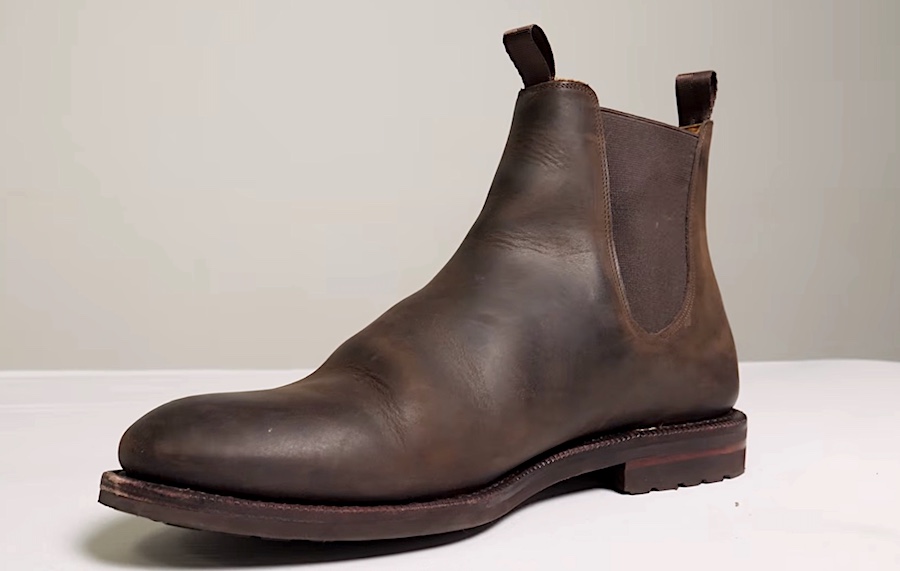
What kind of comfort you want is, of course, up to you. But the market certainly prefers more modern approaches like this one: Thursday Boot Company is the most popular boot brand in the country, and a big reason for their success is using foam instead of a traditional, stiff leather insole.
Most people prefer the flexibility and shock absorption, especially since you can still resole it and it’s still super water resistant.
Both easy to resole and unusually flexible, Meermin still produces some of the best value Chelsea boots on Earth.
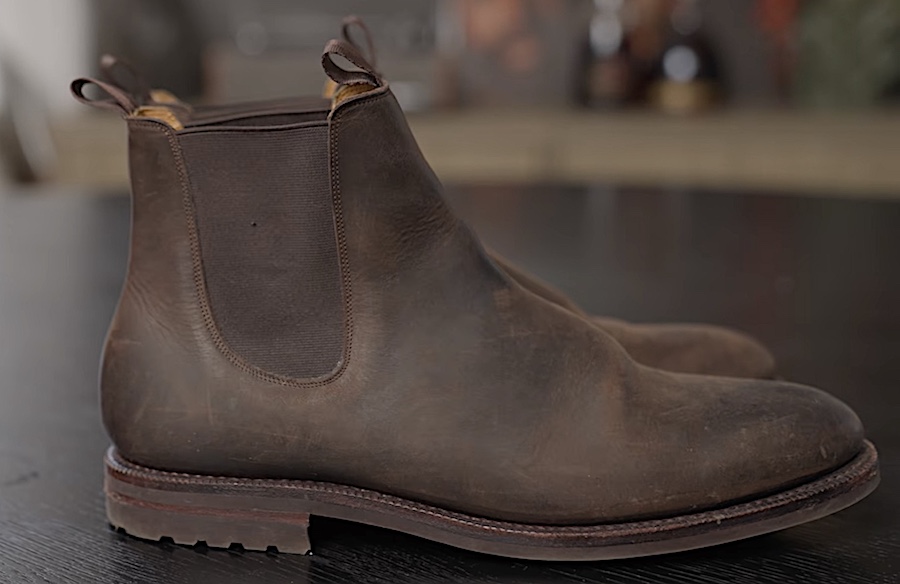
Meermin’s best known products are their loafers and their wholecut Chelseas, which are a rare form of this slip on model.
In almost every other Chelsea, you’ll see a seam under the elastic goring, like this:
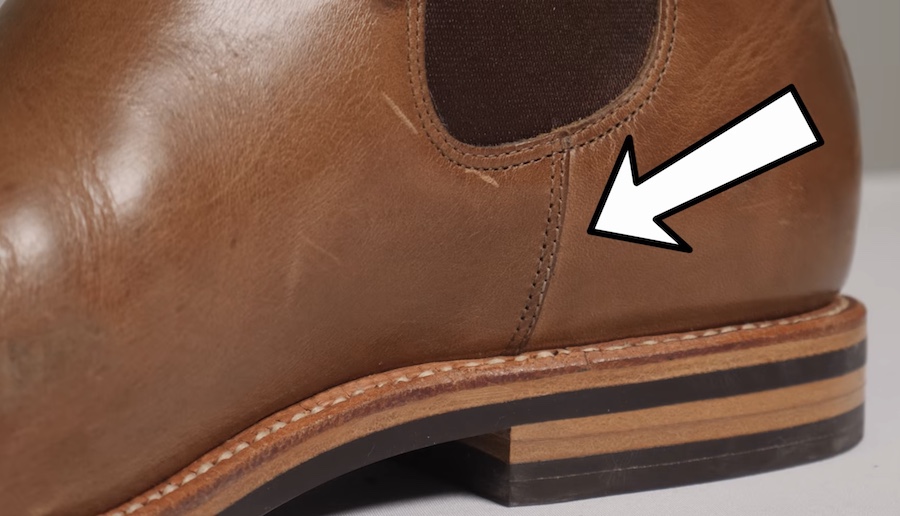
When it’s wholecut, the entire boot is just one piece of leather that’s sewn together at the heel.
It is more expensive to make a wholecut Chelsea. It takes more skill and more leather, especially because pretty much every animal hide (even if it’s not a wild animal) is going to have scars on it. It’s harder to find one big piece of unblemished leather to use.
I’ve asked many bootmakers whether or not there’s a practical advantage to wholecut chelseas over normal ones, and there’s not really a consensus.
The closest I got to a “yes” was from the Australian brand R.M. Williams, who told me this when I visited their factory:
It’s all about keeping out dust and reducing the chance of a seam breaking. Back in the day, a lot of saddles and stirrups would wear down the side seams. It was born from horse riding and life in the bush.
Meanwhile, when I asked Thursday Boot Company’s CEO, he said:
As someone who must have wear-tested more types of boots than almost anyone on Earth, I would say that the field difference is very negligible. People who find it more comfortable are probably conflating the last versus that specific of the construction.
The debate goes on. But what’s definitely true is that it’s a more minimalist look and that it costs more to make — making the price of Meermin’s Negon Chelsea all the more impressive.
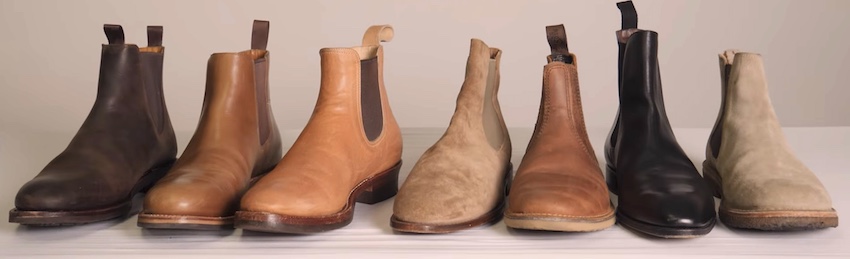
The Negon Chelsea boot is resoleable, wholecut, and under $300 — I can’t think of any other brand that can do that at this pricepoint.
Meermin also uses leathers from a lot of really famous tanneries, like CF Stead and Annonay. To be fair, that’s not always the case — two of the three leathers on my Negon Chelseas are from lesser known Chinese tanneries — but I like that they don’t charge more for the famous tanneries.
Both easy to resole and unusually flexible, Meermin still produces some of the best value Chelsea boots on Earth.

Let’s compare them with some other popular Chelseas:
Thursday Boot Company makes resoleable Chelseas that are only $199, and they sell four kinds of Chelsea to suit any style. The models that cost $199 aren’t wholecut, are made in Mexico, and don’t come in famous leathers. they’re not wholecut and they’re made in Mexico. The exception is their Journeyman boot, but it’s well over $300.

These resoleable Chelseas not only come in a huge range of leathers but also a wide range of styles, from dressy to rugged to luxury casual.
Blundstone’s 585 boot is $210 but they’re not wholecut, the leather isn’t good, they’re made in Asia, and most importantly, they’re not resoleable. That’s not important because it’s “bad” to not be resoleable, it’s important because it dramatically reduces the cost of production.
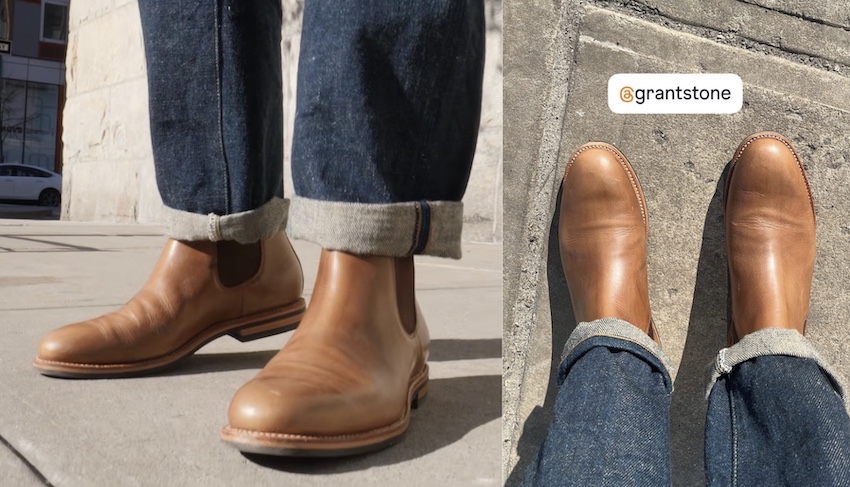
Grant Stone make fantastic Chelseas and they make them in China, like Meermin. The advantages are that all of their models use famous tanneries and they use thicker leather components and no cost-saving foam. But their Chelseas aren’t wholecut and they cost well over $400.
Astorflex’s Chelseas are made in Italy and cost about the same amount as Meermin’s. But they’re not wholecut, they’re less versatile, and they’re not Goodyear welted. They appear to be resoleable, yes, but it’ll be harder to find someone to resole them because of their rare form of construction.
Definitely, yeah.
The reasons they’re so “suspiciously” inexpensive is that they’re made in China, they mix no-name leathers in with the fancy ones, the leather components aren’t super thick (compared to a prestige brand like Grant Stone) and they put some foam in the construction instead of cork.
You might not like them because you prefer traditional construction, you have a wide foot (which they don’t accommodate), you want a dressier Chelsea (which they sell, but not on this last), you don’t care that it’s wholecut (which makes it more expensive than it has to be), or you don’t like anything to be made in China.
If that doesn’t describe you, then good golly, this might be the world’s best value Chelsea.
Both easy to resole and unusually flexible, Meermin still produces some of the best value Chelsea boots on Earth.

This is my website, so I'll just write in first person. I'm the founder and editor of Stridewise, where I have spent nearly a decade covering boots and casual menswear.

by Nick English
Founded in 2018 to help men buy the best boots, we’ve since expanded our team and purview to review and celebrate casual footwear and menswear that’s as close to “buy it for life” quality as possible. We take great pride in being a trusted source for information while maintaining complete editorial independence. At no extra cost to you, we might earn a commission from a brand when you purchase through our links, which helps us keep our mission alive. Learn More
Casual Durable™.
Yup, we even trademarked it. Just because you’re dressed down, doesn’t mean you have to dress bad.
This site started to help guys find the best boots for their dollar and has since expanded to cover the highest quality casual menswear, from leather jackets to selvedge jeans to canvas bags — the kind of simple, fashionproof classics that help you get dressed without overthinking your “style.” Read more
Subscribe for an exclusive article to help you find the best deals on quality footwear.