Updated May 20, 2026

Stridewise
Boots, Denim and Casual Stuff
When I need something a little more dressed up than sandals or sneakers, my go-to summer shoe is these Turkish leather slippers from Sabah.
The brand was founded by American Mickey Ashmore, who spent much of his 20s working in finance in Istanbul and found himself commuting to and from work in traditional leather slippers. Seduced by their comfort and versatility, he was inspired to launch his own brand that draws on traditional Middle Eastern shoemaking — but with a few modern design flourishes.
You’re a busy guy, so if you don’t want to read an entire review by someone who clearly has an unhealthy fixation on minute details of footwear, here’s the summary.
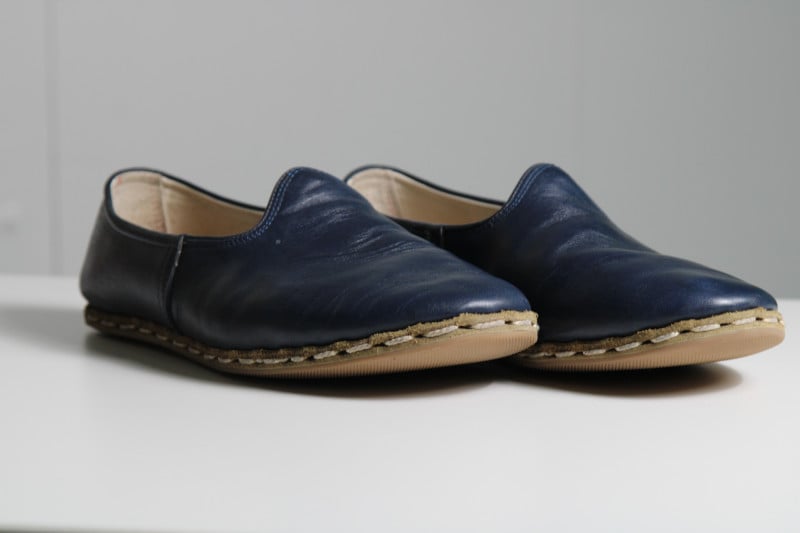
Great for guys who want a super minimalist leather shoe that dresses up and down with ease.
Most of these “cons” are really just side effects of Sabahs being simple slippers and not structured shoes that are well secured to the foot — they aren’t exactly flaws, just stuff to remember:
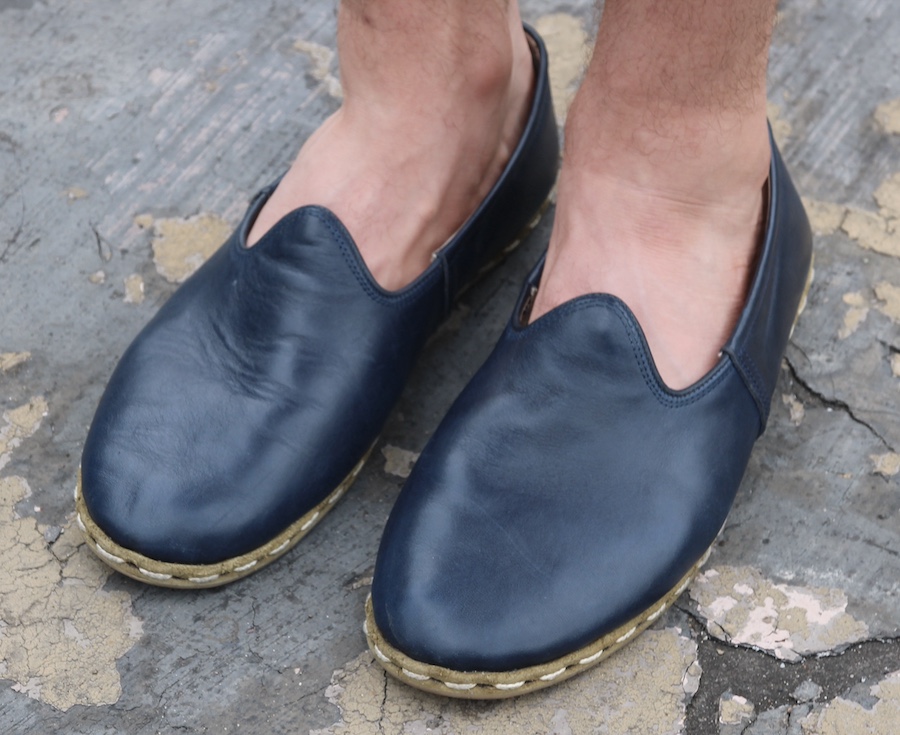
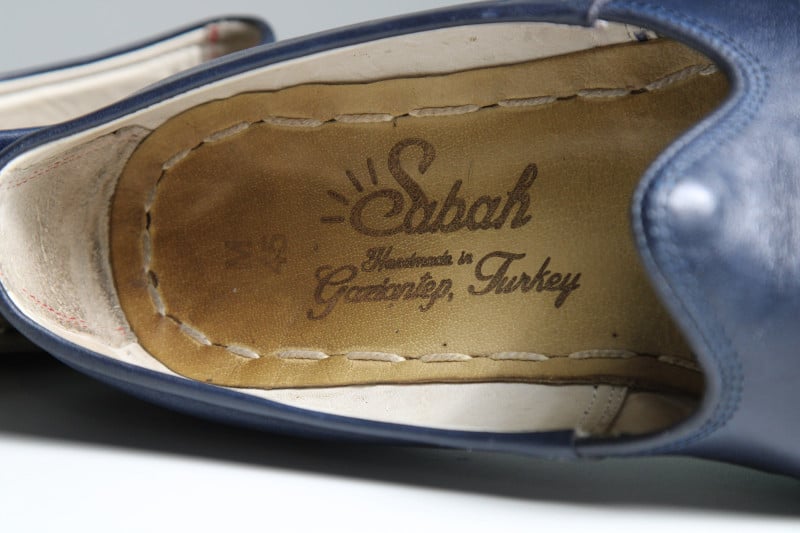
Handmade with leather from Istanbul in Gaziantep, one of the oldest cities in the Middle East, these slippers are inspired by a traditional slip-on shoe from the region.
(I guess I should note that they probably originated in Yemen. But they’re very, very closely associated with the Turkish cities of Gaziantep, Kilis, and Antakya.)
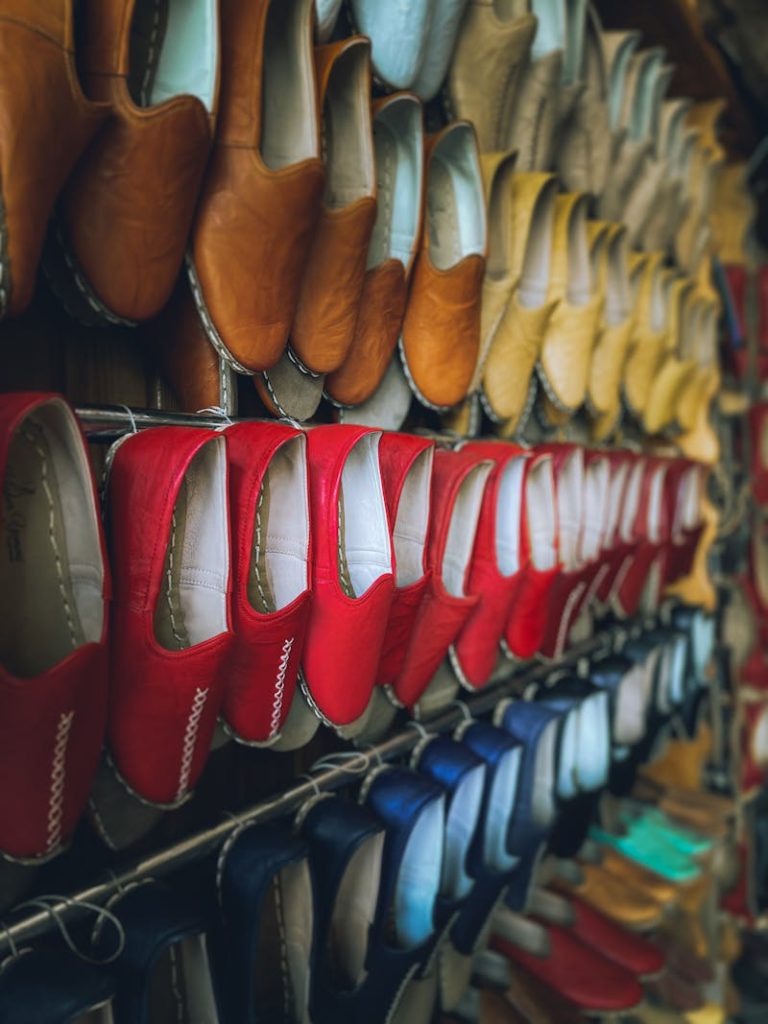
Compared to the traditional shoe that inspired them, Sabahs are a little slimmer (they stay on the foot better) and the sole is more robust: Sabah are able to rebuild and repair them to a greater degree, meaning better longevity.
If you’ve spent any time in Turkey, Yemen, Morocco, or India (did someone say ‘India’?!), you’ve probably seen shoes similar to these. You might hear critics exclaim that slippers like these would cost a quarter of the price in Turkey, but when were you going to go to Turkey?
Putting aside the fact that a ticket to Turkey costs a lot more than two hundred bucks, remember that you’re ordering them from within the United States.
I have first hand experience in how expensive it is to import and sell something in the U.S.: I found selvedge denim jeans in Indonesia for seventy bucks, and by the time I’d imported them to sell to Americans, all the duties and fees made the jeans cost well over two hundred bucks! Give Sabah a break!

Besides the fact that it costs a lot to import stuff, Sabah can justify their higher price by:
Plus, while Sabah sells slippers in all the classic leathers, you’ll have a hard time finding options as dope as these on the streets of Yemen:
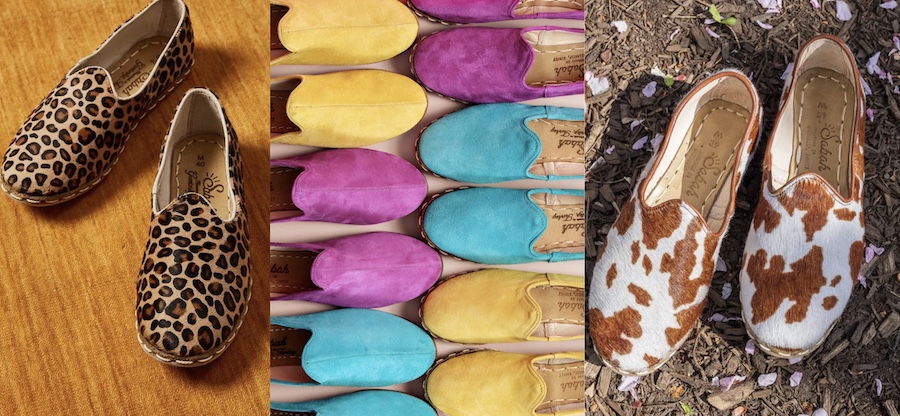
Great for guys who want a super minimalist leather shoe that dresses up and down with ease.
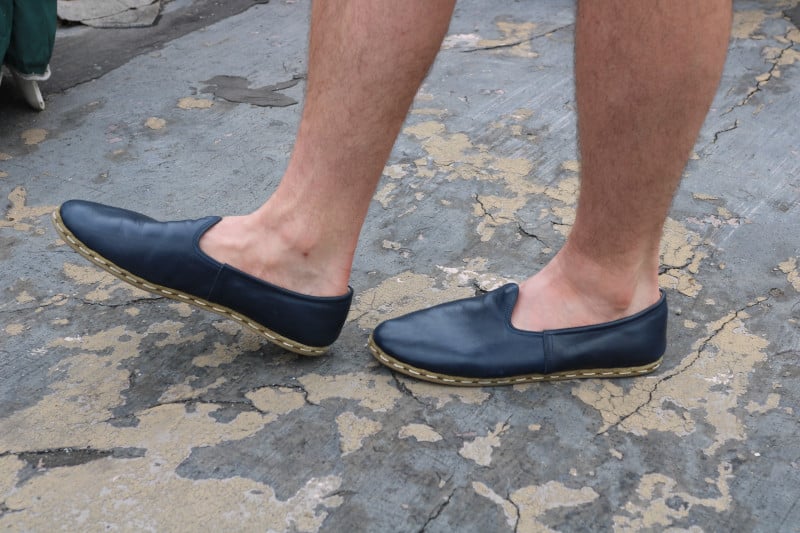
The CEO, Mickey Ashmore (who you can see modeling the shoes all over the website and all over Manhattan, where I’ve spotted him frequently) explains the sizing thusly:
“You want the shoes to be very tight, as snug as possible without curling your toes or hurting. A little pressure is OK.“
Once I learned that, I realized I got a size too big. When I got my Sabahs, the only other European-sized shoes I had were my Common Projects sneakers. But I forgot that your sneaker size is much bigger than your loafer size.
In the US, your “true size” is the size you get when you measure your foot on a Brannock device in the shoe store. My Brannock size is 11.5, most of my sneakers are 12, most of my loafers are 11 — sometimes 10.5.
So while my European sneakers are size 45, the right Sabah size for me would be 44. Their website equates 44 to a US 12, but I think they did that because guys always think their feet are bigger than they are: most places (like these two) call a size EU 44 a US 10.5 or 11.
Further Reading
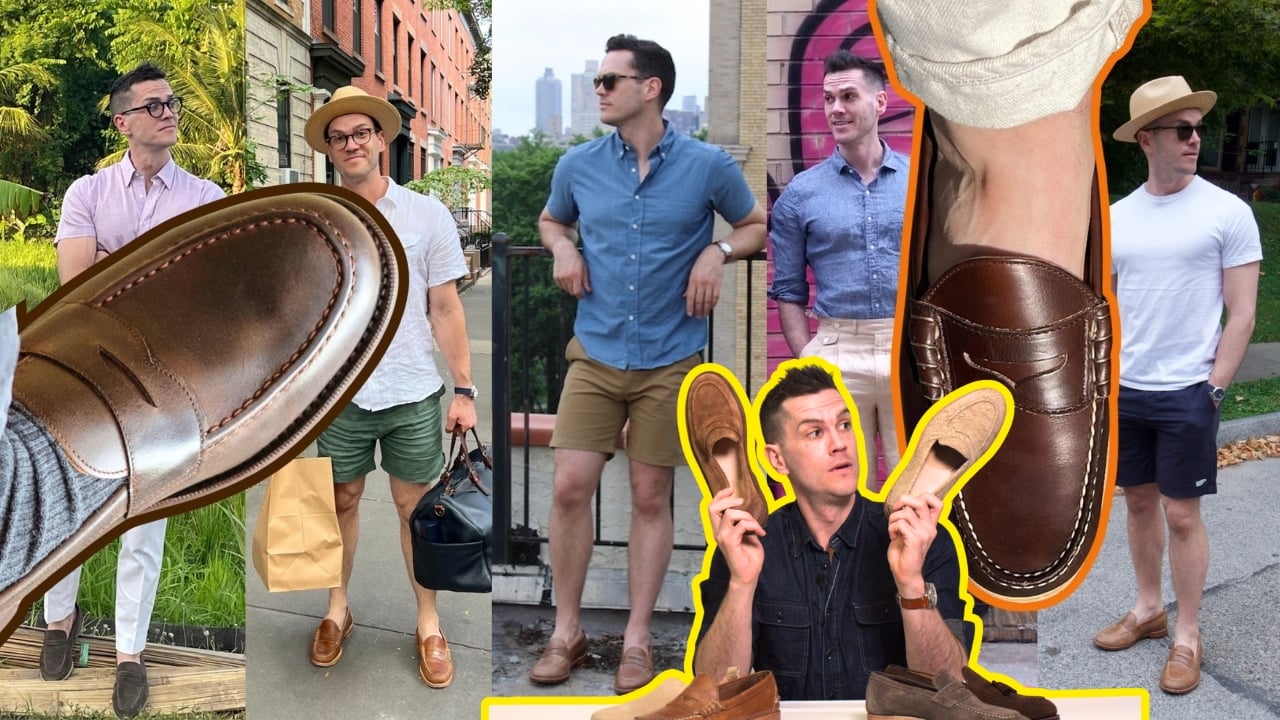
Sabah’s on the list even though they’re not loafers; but if you’re looking for breezy summer slip-ons, you may want to consider… Learn more →
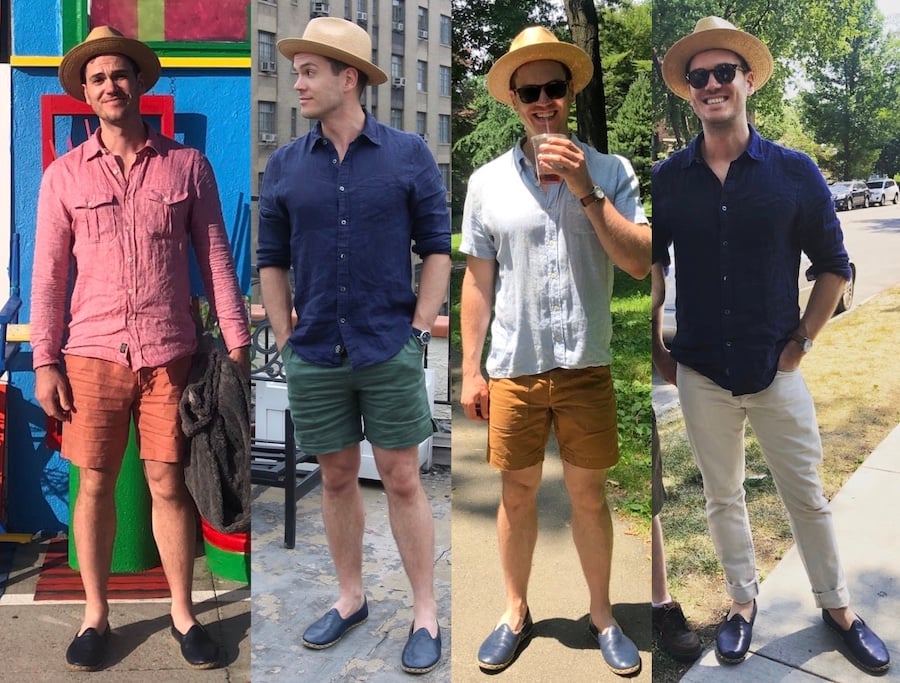
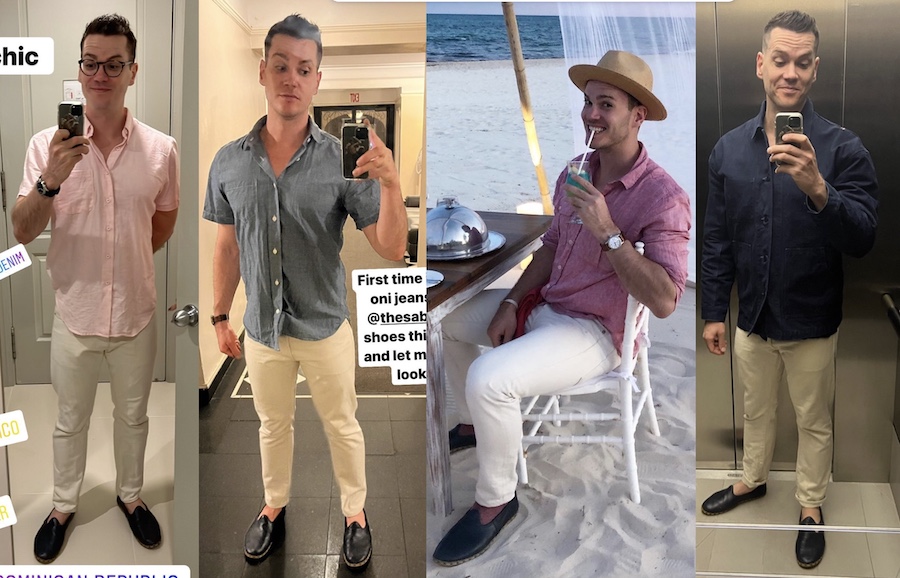
As a guy with a Brannock size of 11.5, my size 45 Sabahs (which they call a 12.5) were a bit big, but honestly, they were still wearable. As you can see in the picture above, they’ve been worn all over the country.
There are no stiffeners or structure in the upper of your Sabahs; it’s all natural cowhide. The good thing about footwear like this is that it’s not the end of the world if they feel a little big or you get a little heel slip: when it’s an all-leather shoe, it conforms to your foot’s shape with wear.
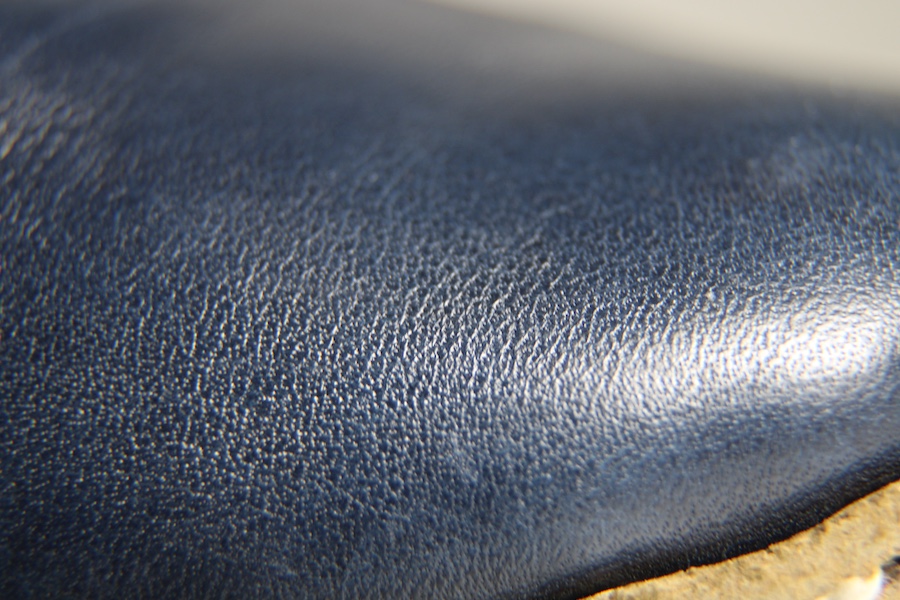
While the fact that they’re laceless does mean you can’t adjust the fit, the sizing isn’t quite as risky as it sounds because the Sabah will become more shaped to your foot with the heat and friction of walking around in them.
None of this changes the fact that I’d have been better off with a smaller size, but ultimately, this didn’t make my Sabahs unwearable. Thanks, mutable nature of leather!
Further Reading
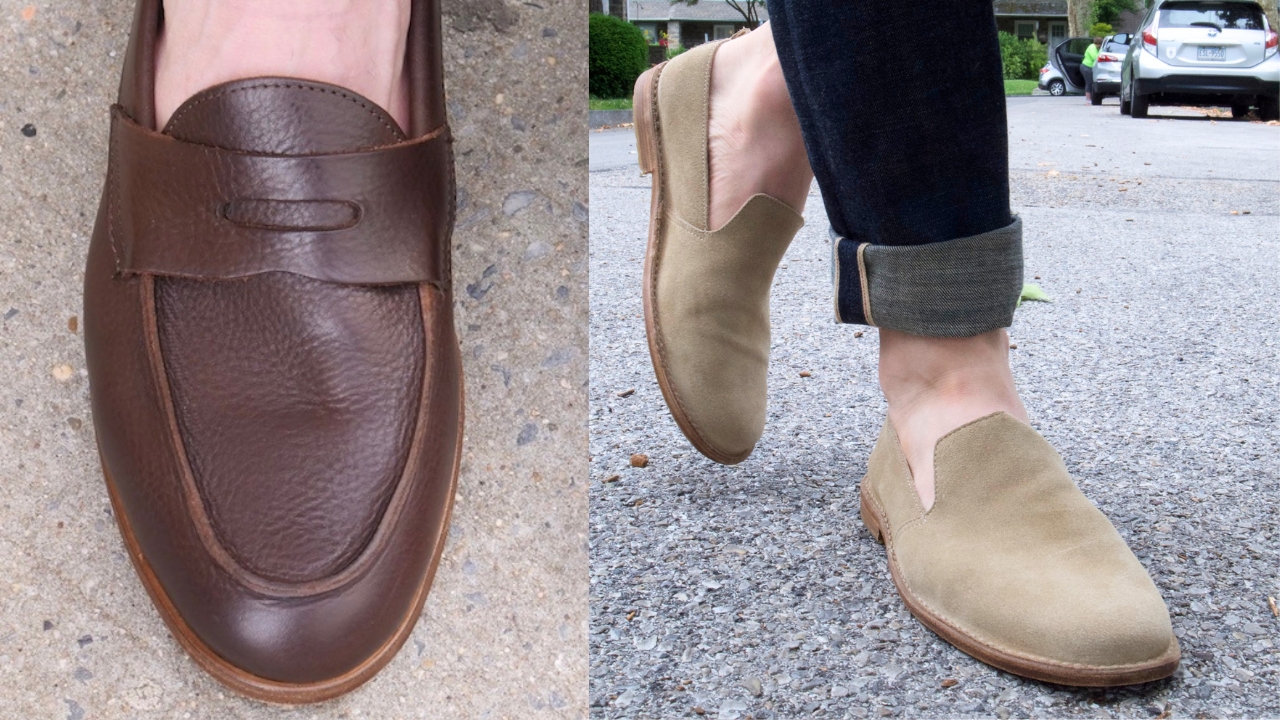
If your Sabahs (or any laceless footwear) feels big, you can use one of these tips to improve the fit — even without laces. Learn more →
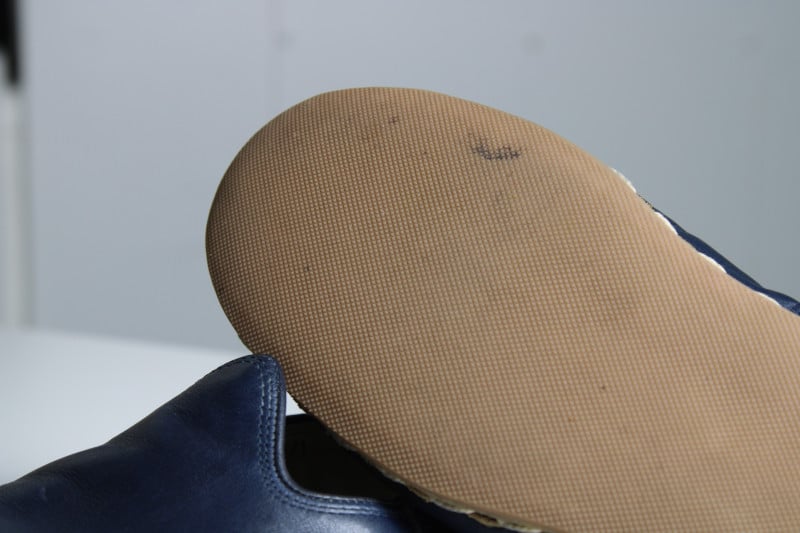
The sole construction has water buffalo leather insoles that mold to your feet with time. That’s what has traditionally been used as an outsole for Turkish leather slippers, although these days, it’s more common to glue a rubber sole onto that leather — that’s what Sabah does too.
So you’ve got cow leather on top of your foot, buffalo leather beneath it, and rubber under that.
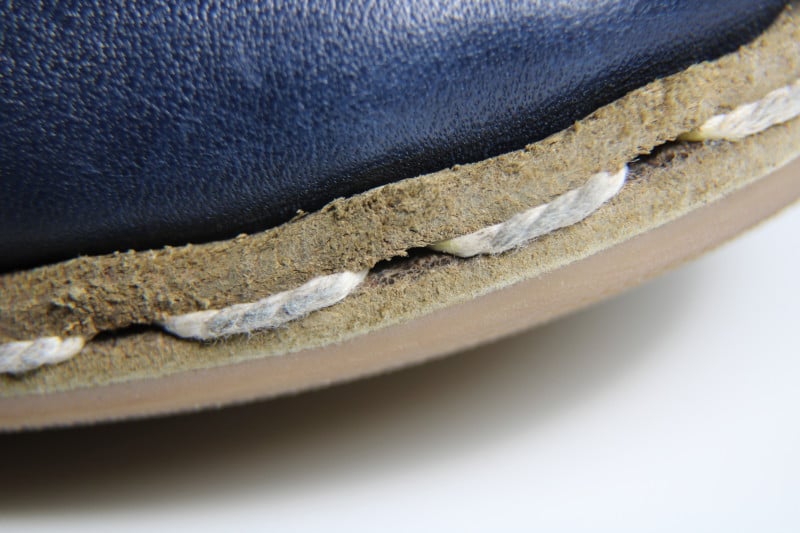
The stitching running along the outside is one continuous, waxed cotton thread that’s hand-sewn through the leather from the inside out without any machinery at all. I like that it’s so visible; whenever I look at my Sabahs, they remind me how human-made they are.
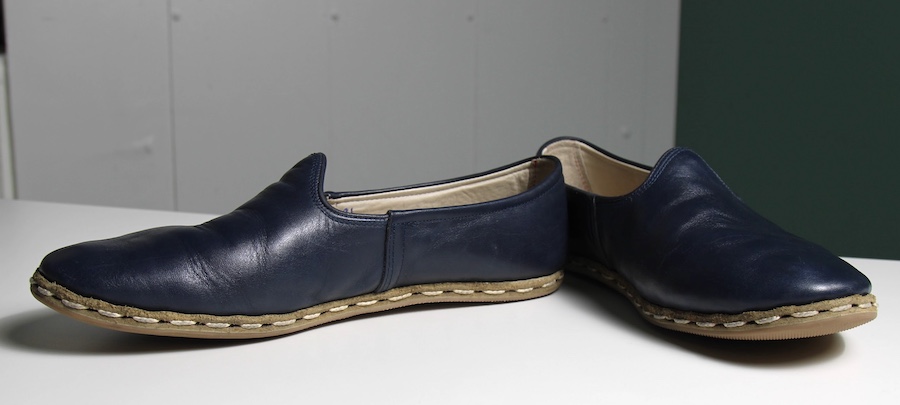
There are a lot of very good, very durable summer shoes for guys who don’t like low quality, throwaway footwear.
Sabah have a special place among them, though, for being about as comfy, flexible, and easy to put on as flip flops, but they’re infinitely more versatile and durable.
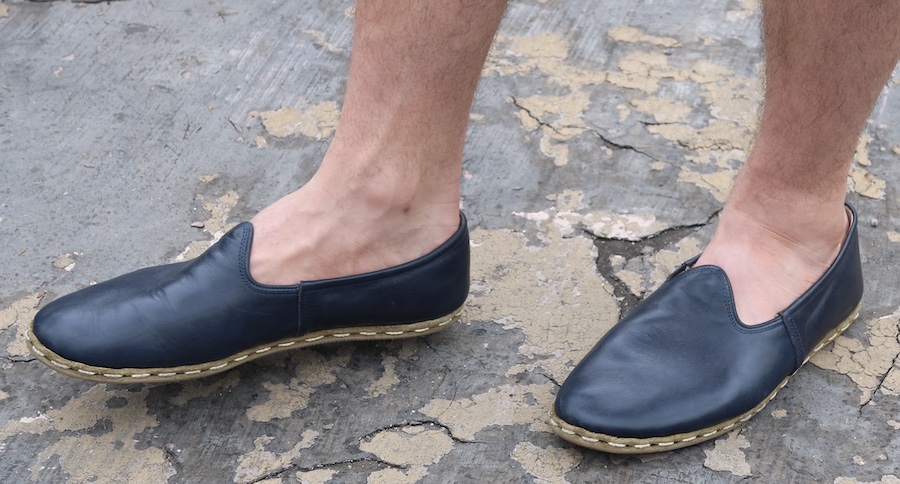
You can wear them to a casual lunch, the beach, BBQs, out to the movies (they’re so easy to kick off!) and out to the bar. They’re comfortable and casual but you won’t look schlubby at a work party. They’re also ideal for travel; easy to get on and off at the airport.
It’s wild how many ways I’ve worn these slippers. And that’s a sentence I never thought I’d say!
Great for guys who want a super minimalist leather shoe that dresses up and down with ease.

This is my website, so I'll just write in first person. I'm the founder and editor of Stridewise, where I have spent nearly a decade covering boots and casual menswear.
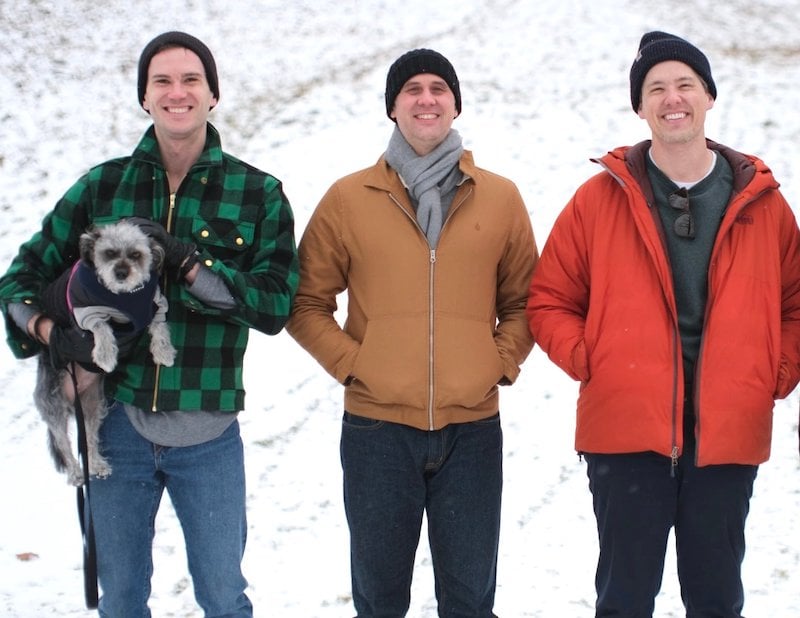
by Nick English
Founded in 2018 to help men buy the best boots, we’ve since expanded our team and purview to review and celebrate casual footwear and menswear that’s as close to “buy it for life” quality as possible. We take great pride in being a trusted source for information while maintaining complete editorial independence. At no extra cost to you, we might earn a commission from a brand when you purchase through our links, which helps us keep our mission alive. Learn More
Casual Durable™.
Yup, we even trademarked it. Just because you’re dressed down, doesn’t mean you have to dress bad.
This site started to help guys find the best boots for their dollar and has since expanded to cover the highest quality casual menswear, from leather jackets to selvedge jeans to canvas bags — the kind of simple, fashionproof classics that help you get dressed without overthinking your “style.” Read more
Subscribe for an exclusive article to help you find the best deals on quality footwear.