Updated Oct 19, 2026

Stridewise
Boots, Denim and Casual Stuff
There are a lot of iconic boots from throughout history, but for my money, the boondocker is the easiest to wear — it’s just so darn handsome.
When it comes to resoleable footwear worn by the general population, casual boots are usually modeled after old work boots. But boondockers are a type of service boot: low profile, less chunky, more subtle, plain toe boots inspired by footwear worn by the United States Armed Forces in the early-mid 20th century.
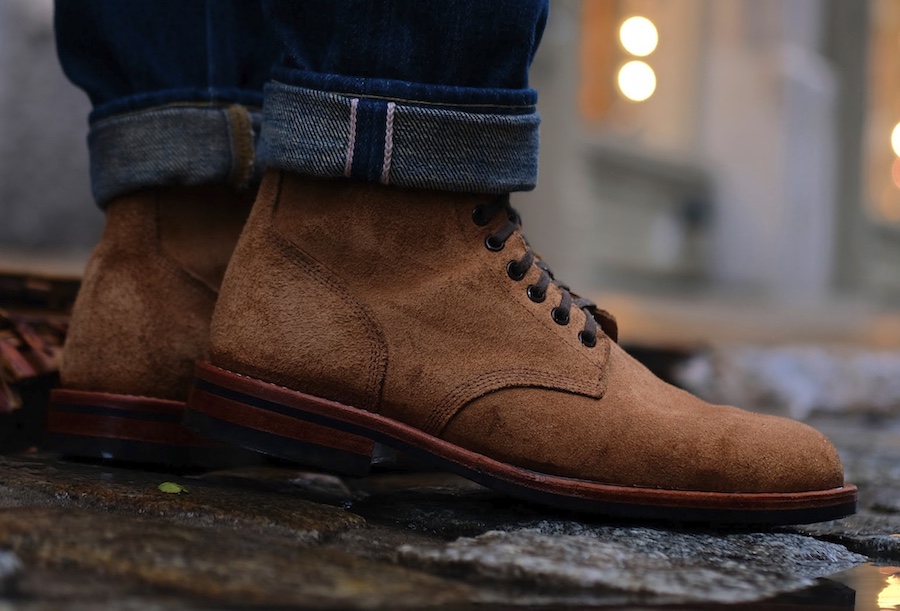
I sat down with Ben Robinson, creator of frenemy boot blog Stitchdown.com and the annual Stitchdown Expo (in Chicago this November!), to talk about our favorite boondockers and why this particular boot from our history is so near and dear to our hearts.
Flat toe. Minimalist. Roughout leather — which is not suede. (More on that later.)
“The original M-43 boot didn’t look like this,” says Ben of the six-inch tall boots dotted around this article. “It had a big collar attached to it that wrapped around your shins to provide extra protection from the elements when you needed it.”
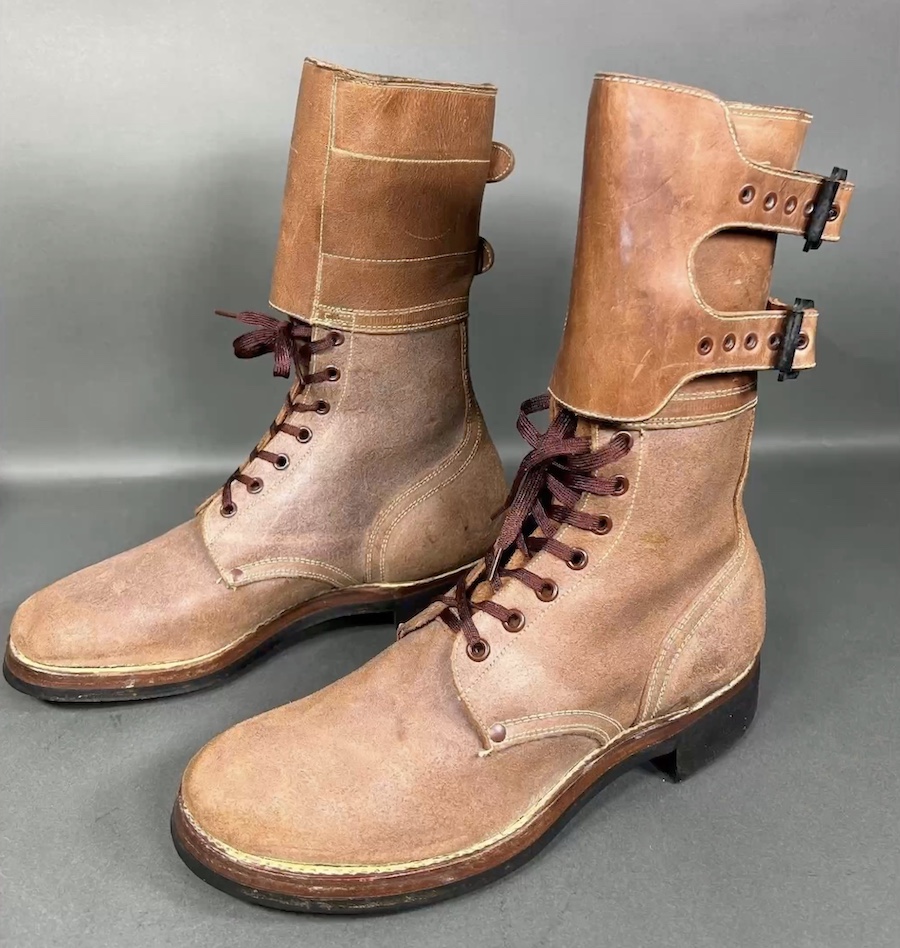
There have been a few variations: one issued to the Navy, one issued to the Marines, earlier models had rivets that were done away with as we ran low on certain metals during wartime.
But the basic idea is a wonderfully utilitarian boot: no embellishments, no high-end leather — in fact, the leather isn’t even dyed. We didn’t have time for that, we had a war to get to.
And even though it’s the farthest thing from fancy, the combination of the boondocker’s exciting history and versatile good looks has made it a favorite of casual and serious boot enthusiasts alike.
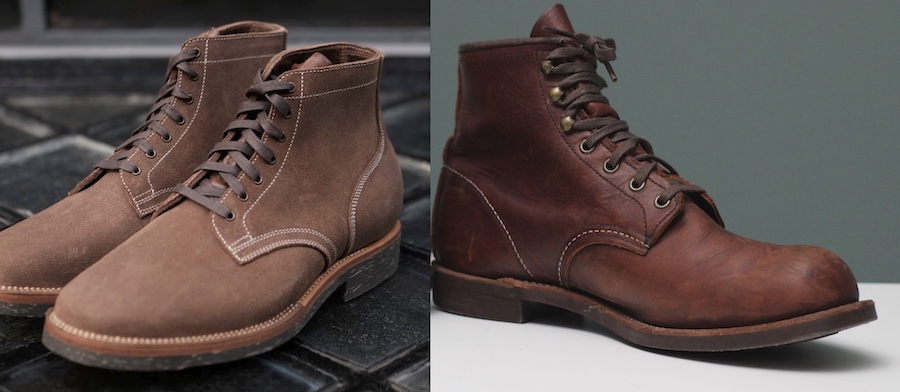
People might lump this in with work boots like the Red Wing Blacksmith or the Wolverine 1000 Mile, which are also famous, influential plain-toe boots.
But work boots and service boots were made for different purposes. They look similar to the untrained eye, but there’s a lot that separates them.
“Boondockers are more outdoorsy boots, designed to for light weight and flexibility for movement, while work boots are more about support and stability,” explains Bagus Satriow of Sagara Bootmaker. “Work boots need strong medial support and a heel that grips the foot well. So the designs may look similar, but the goals were different.”
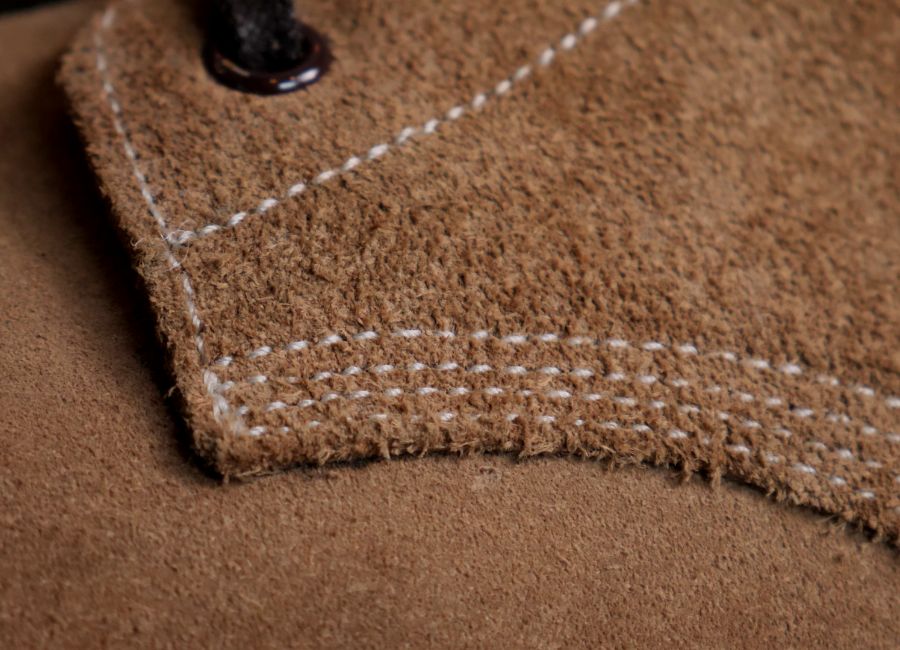
A lot of people see these boots and say, “Are you telling me the most iconic combat boot — for soldiers running around in muck and mud — was made of suede?Delicate, dainty suede?”
“It’s not suede at all,” says Ben. “It’s the reverse side of the leather.”
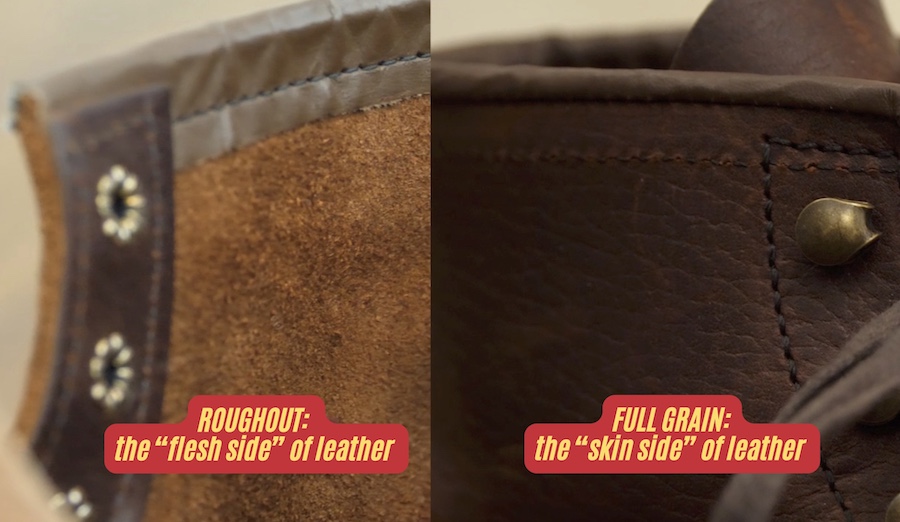
Suede is leather that’s been split from the top and the bottom: both sides are fuzzy. The fuzz is flesh. Normally leather has a “flesh side” and a “grain side” (the inside and the outside, in other words), but suede is flesh on both sides.
Roughout is different for two main reasons: it hasn’t been split from the grain side, it’s just been turned inside out so the smooth side is on the inside of the boot.
The other thing to note is that roughout is easier to make.
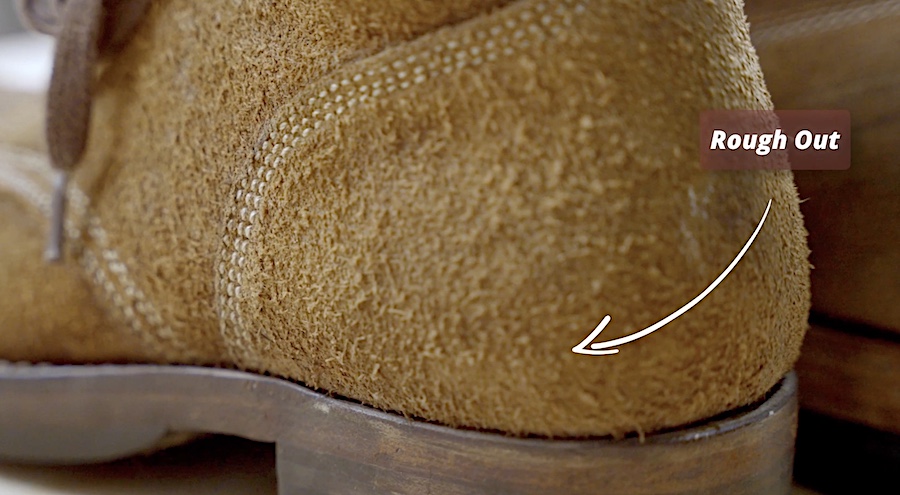
“Suede can have a number of processes done to it to make it softer, more pliable, more suited to different use cases,” says Ben. “Roughout is just rough. Usually, very little has been done to it.”
It’s also basically scratch-proof. Chicago’s Horween Leather Company designed the leather back then and it’s pretty much the same material today, which is cool to see.
They didn’t technically waterproof them, but roughout is easy to make extremely water resistant.
Before soldiers wore Gore-Tex boots they used dubbin, a heavy wax that the furry roughout happily soaked up. This adds an effectively waterproof coating to the soldier’s boots that can be easily reapplied as needed.
Further Reading

They look similar, but roughout has a reputation as a harder-wearing leather, we see if that’s true.
Learn more →
The boondocker is the original service boot. If you like the idea and look of it, these are the names to know.
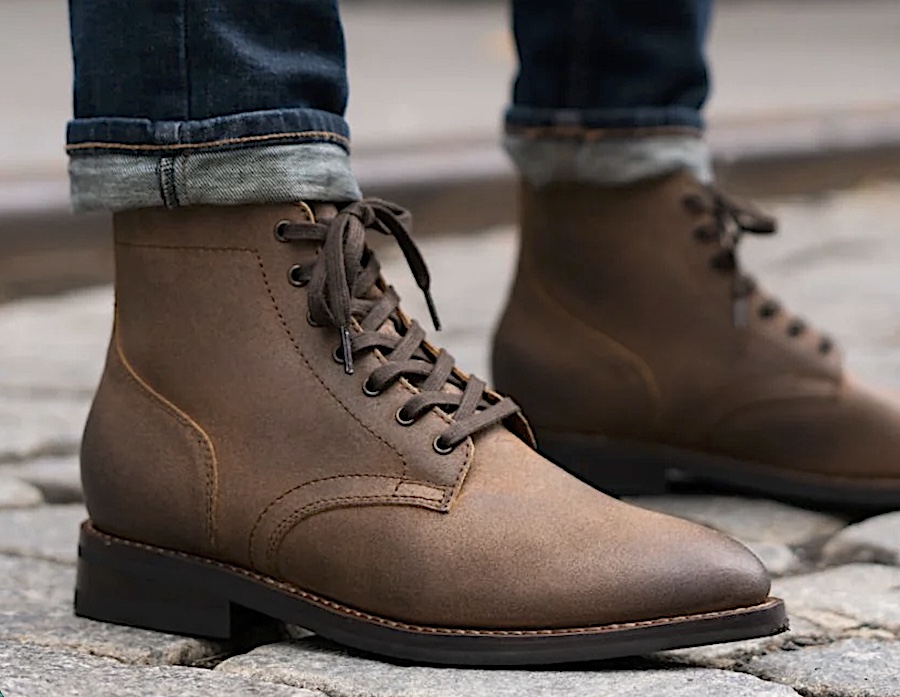
It’s fair to say that Thursday Boot Company popularized the service boot in the 21st century. Launching the company with three unusually low profile boots in 2014, the public wasn’t used to casual boots that weren’t work boots or dress boots.
That’s also exactly how you’d describe a boondocker, and Thursday’s take is made with a waterproof waxed suede that’s more stain resistant than regular suede — maybe regular roughout, too.

Thursday popularized the low profile service boot by offering it at a very low price while emphasizing a build that's lightweight, flexible, shock absorbent, and resoleable.


Thursday popularized the low profile service boot by offering it at a very low price while emphasizing a build that's lightweight, flexible, shock absorbent, and resoleable.
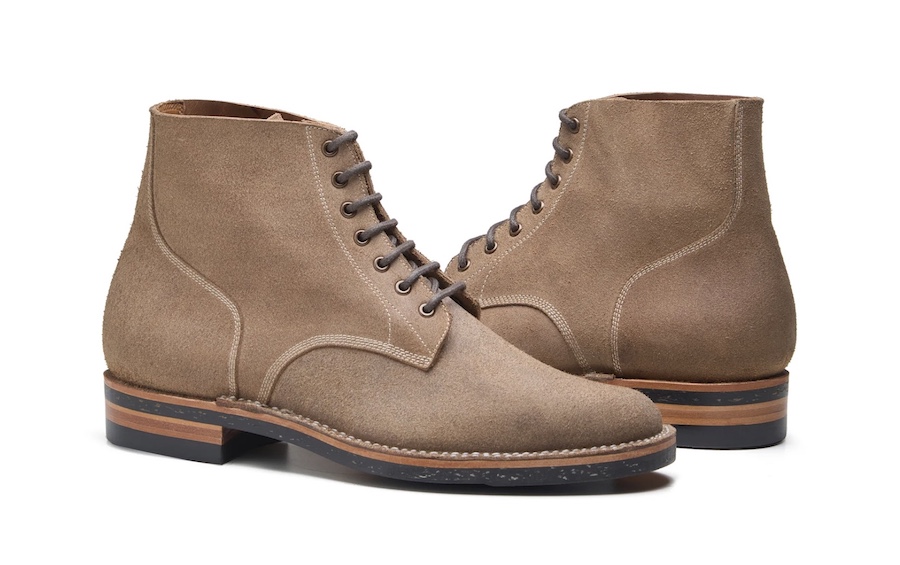
This is a super interesting small brand from India. I think they have the best prices for guys who value super handmade boots — in this case, more handmade than the original boondockers were.
Unlike their Goodyear welted forefathers, Blkbrd’s stand out for being made with handsewn stitchdown construction. I discuss that a bit in this Iron Boots review, but it’s wild to find it on any boots under $400. Plus, they use the O.G. Horween leather.

For guys who value truly old fashioned bootmaking, Blkbrd hand welts and hand lasts their boondockers, adding tremendous skill and durability to the classic service boot's build.
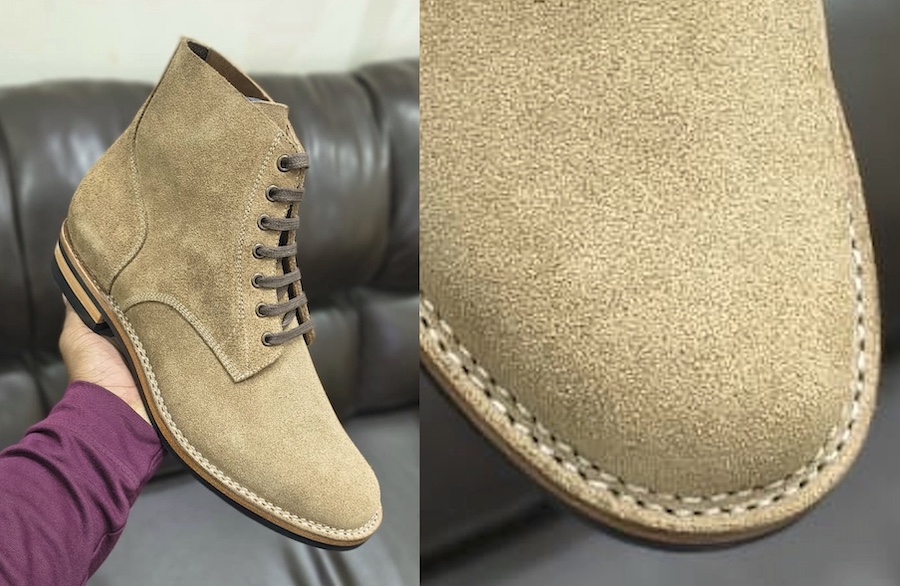
For guys who value truly old fashioned bootmaking, Blkbrd hand welts and hand lasts their boondockers, adding tremendous skill and durability to the classic service boot's build.
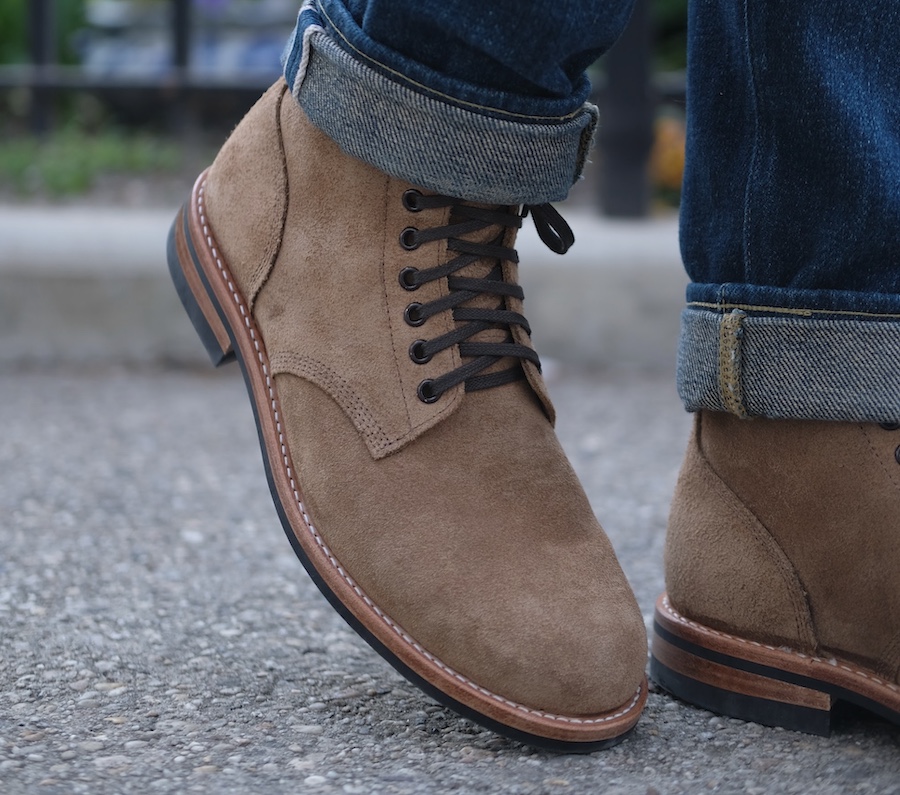
Lower down the price ladder, this Chicago brand is proud of its military-influenced boots: the Trench boot from World War 1 and the Field boot from World War 2: that’s the boondocker.
The Field boot is their take on the boondocker, and at under $550, it’s the best value American-made boondocker by a mile.

American made with American leather, this beauty is based on the US Navy's WW2 service boot and sits perfectly between rugged and refined.

American made with American leather, this beauty is based on the US Navy's WW2 service boot and sits perfectly between rugged and refined.
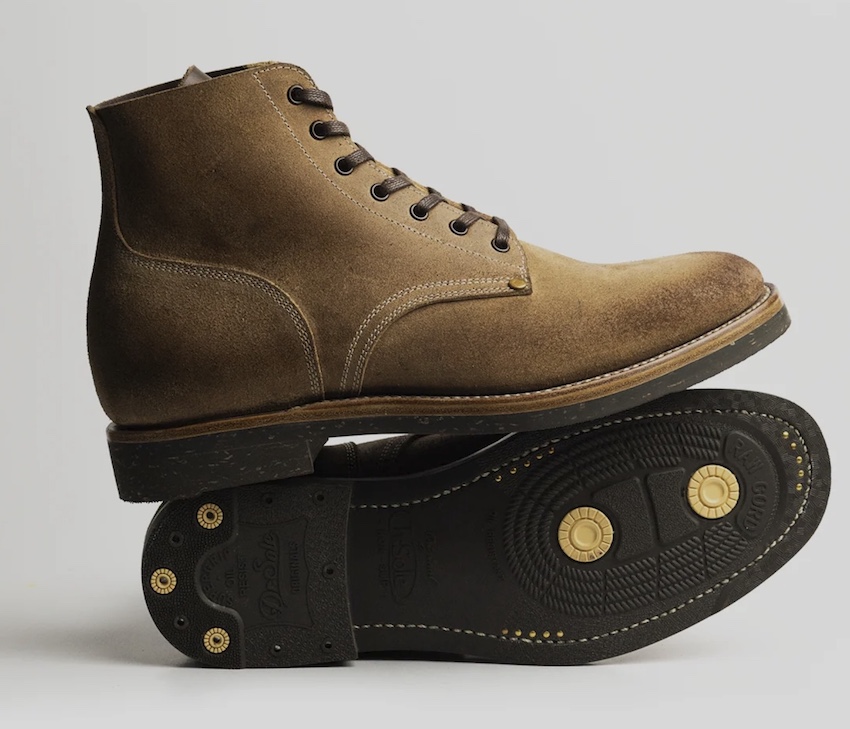
Sagara is the best known workshop in the thriving capital of ultra-handmade boots: Bandung, Indonesia.
“I gave my boondocker a sleeker shape and changed the construction from a flat welt to a storm welt,” says Bagus, the man behind the brand. “And I love using half soles because it’s easier to replace.”
“Bagus is the O.G. of the space, they’ve been at it for nearly twenty years,” says Ben. “They also make fabulous monkey boots, hiking boots, and derby shoes.”

Hand lasted, hand welted, and very historically informed, Sagara's boondocker helped them catapult their brand from Indonesia to worlwide.
Further Reading
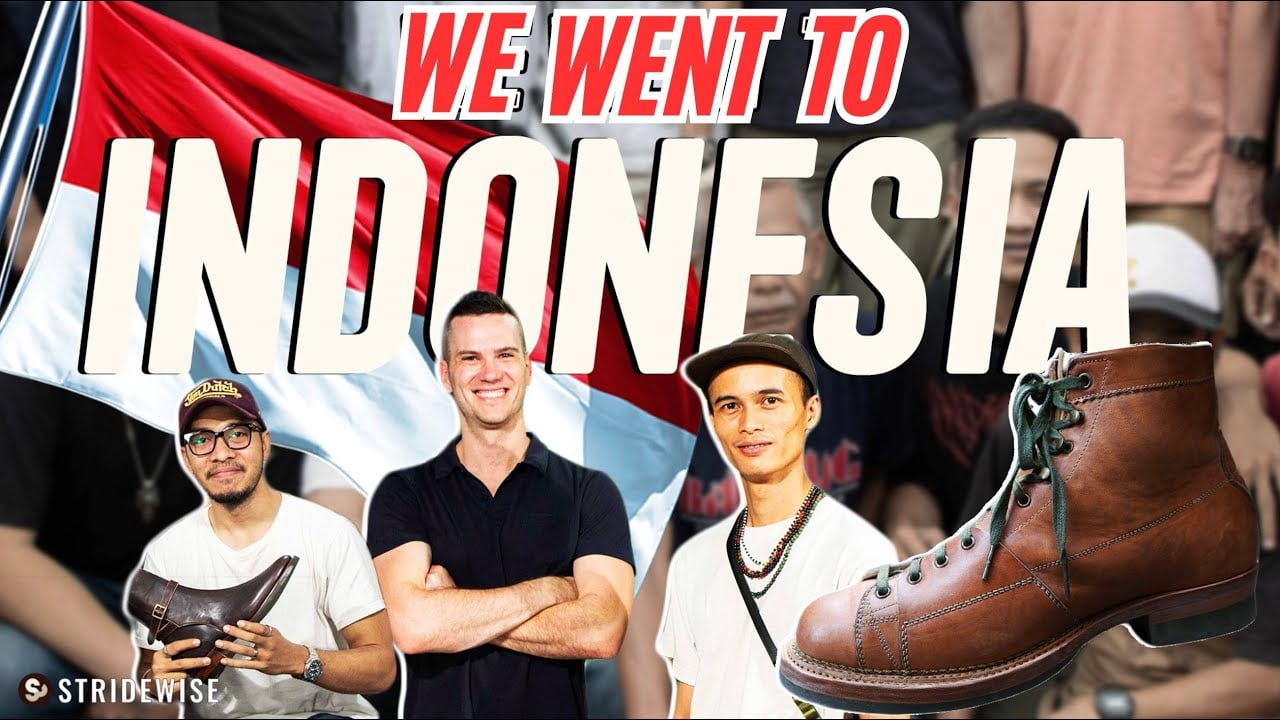
Two boot reviewers combine their experience to name their favorite brands from the world capital of bootmaking.
Learn more →
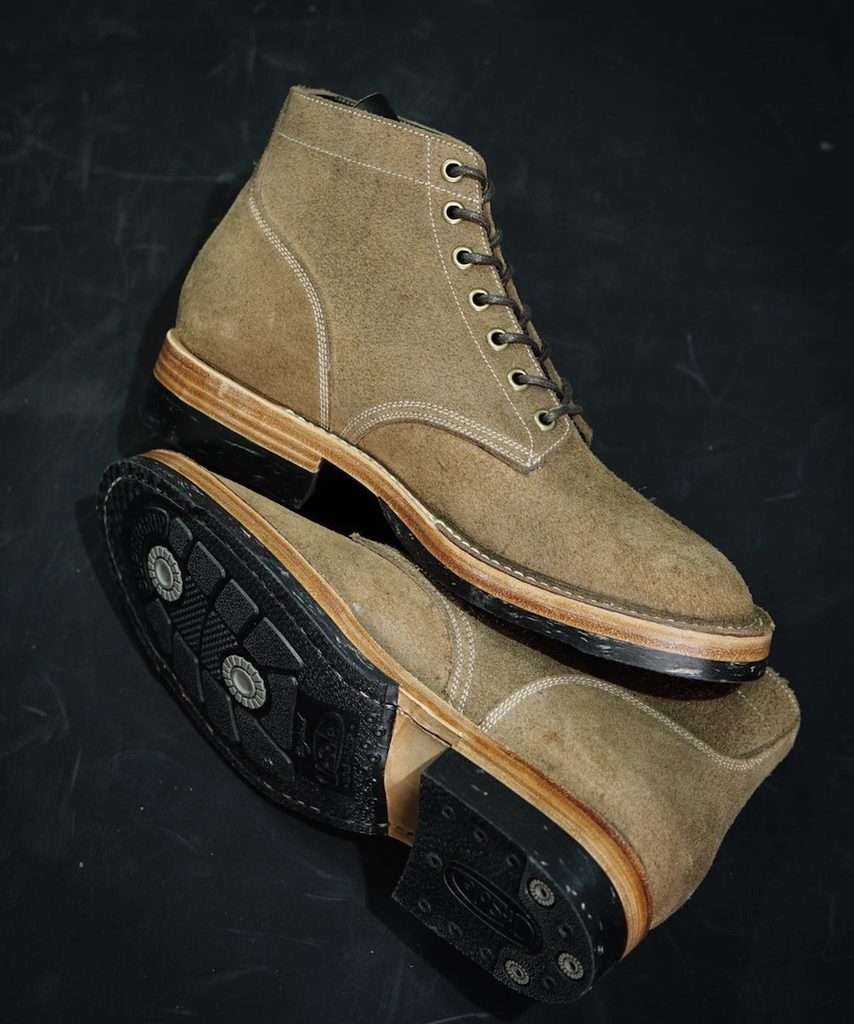
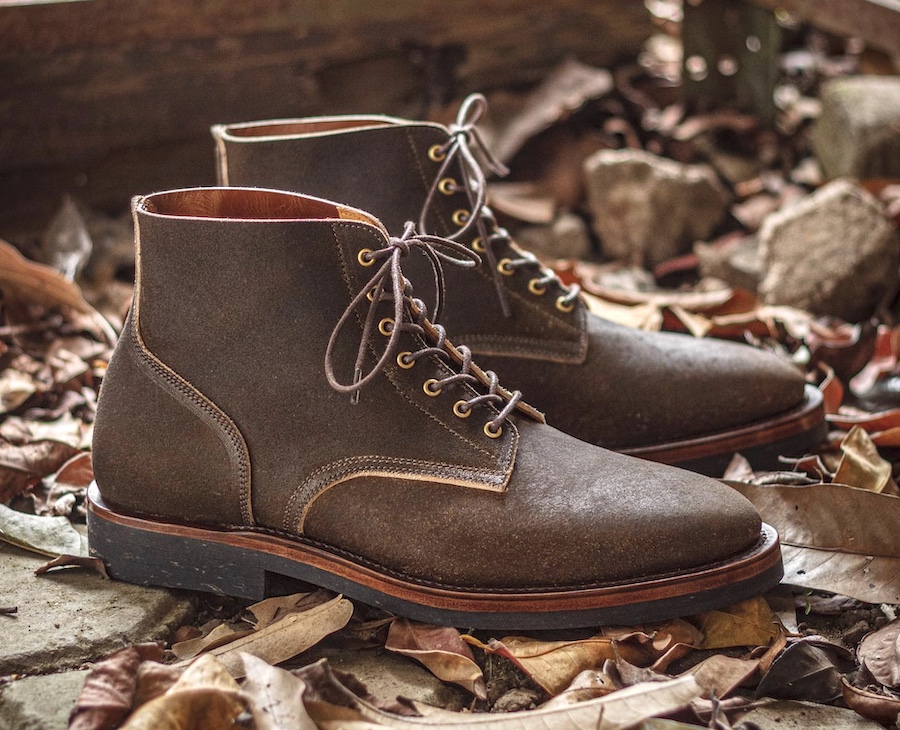
If Indonesia has the most legit boots, Onderhoud makes the most legit boondockers. Helmed by Rizky Afnan, it’s a smaller operation than Sagara and one that’s so busy that they only take orders every few months.
Of course, the fact that they’re so hard to get has brought them a mythic status among boot enthusiasts. Onderhoud is straight up synonymous with “the best boondockers.”
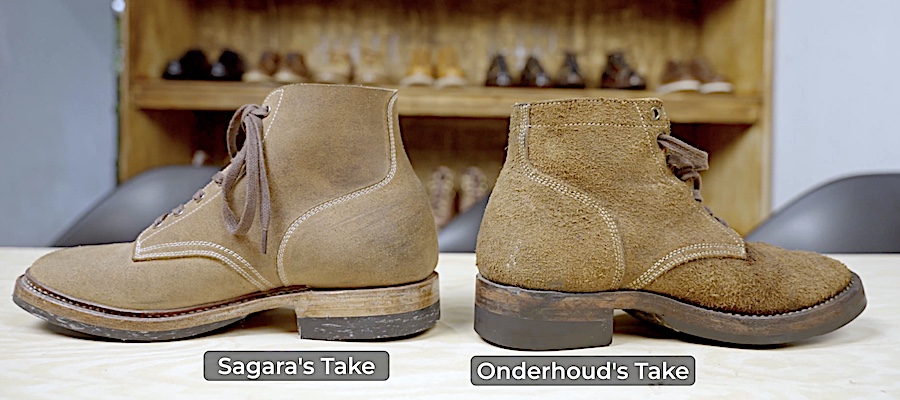
“I used a more pointy last to give it a more dressy look (than the original),” Rizky said when we spoke in that video in the last section. “And because boondockers sit between work boots and service boots, I added a strip of leather around the ankle for stronger, work boot-like ankle support.”

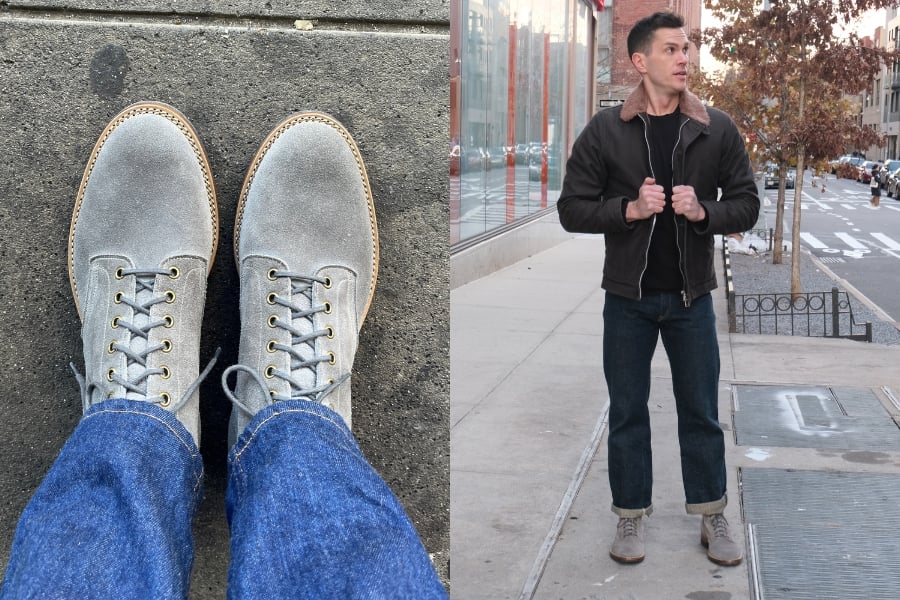
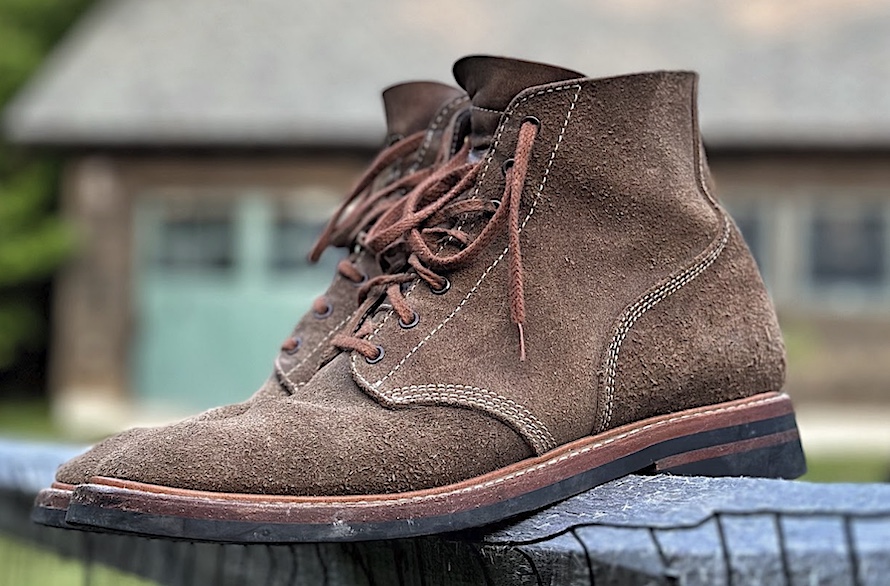
Well worn and loved by Ben himself, this reproduction of the 1943 boot even uses a just-about-identical last that’s modeled after the original’s proportions.
John Lofgren might be the most accessible Japanese boot brand, sold at a lot more U.S. outlets than most, plus the fact that they made it Goodyear welted like the original helps to keep the price lower than the handwelted and handsewn stitchdown boots that Japan’s better known for.
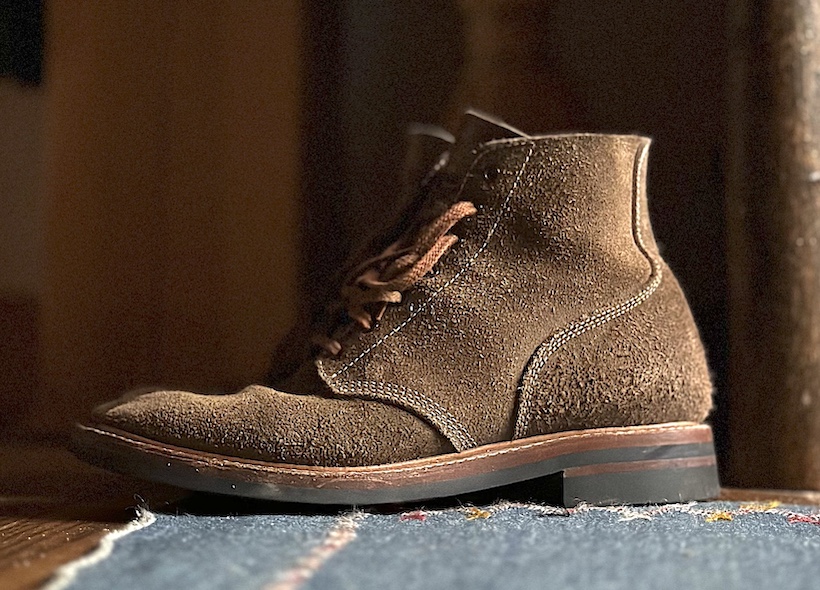
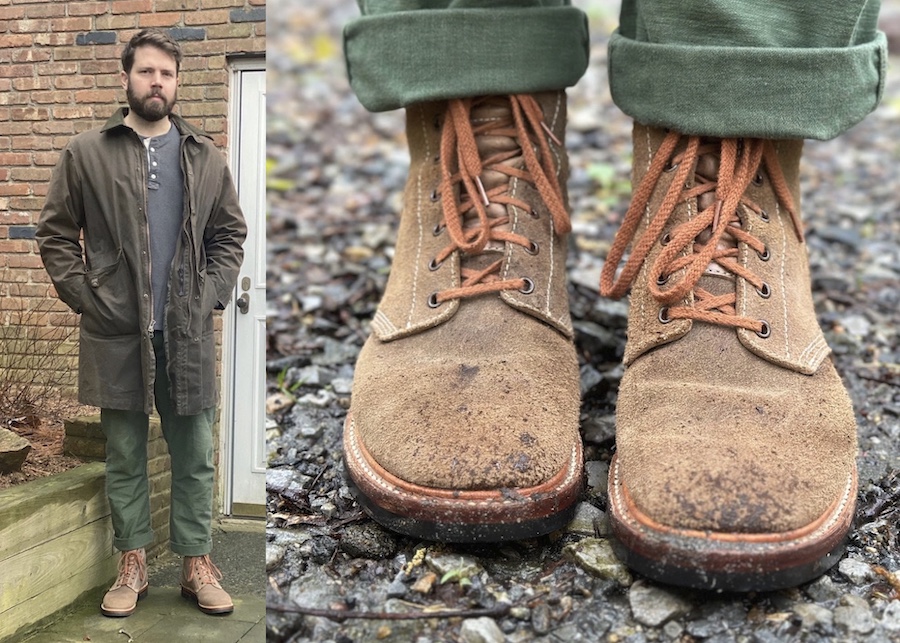

John Lofgren's boots have Japan's famous quality and precision while being easier to find and less expensive than most Japanese brands.
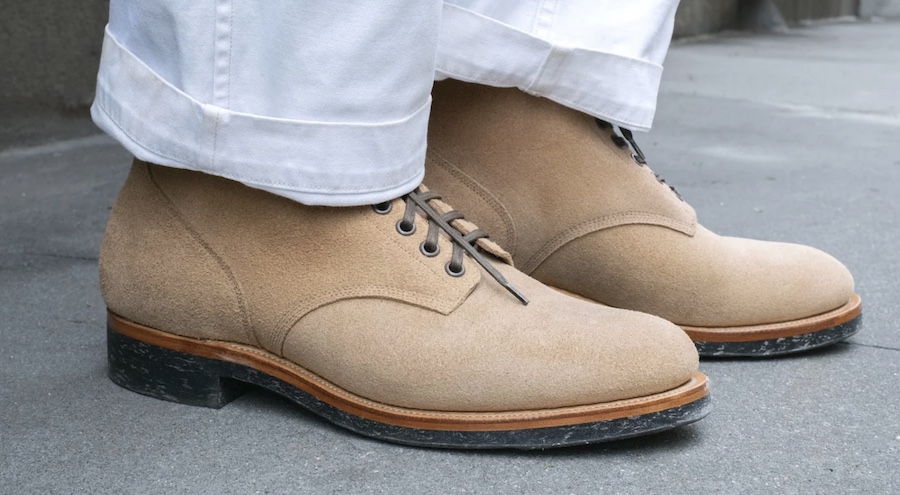
Since the first day I started this blog, I’ve been hearing about Viberg. Broadly considered the apex of the casual boot world, they popularized the idea of combining the materials and quality control of luxury boots with the durability and casual look of work boots.
“I think Viberg’s boondocker really nails it,” says Ben. “Their N1 boot is one of the more faithful representations. It uses the Horween rough out and they look great.”

Viberg's unmatched reputation for quality and consistency are on full display with their heavy, stitchdown take on the classic boondocker.
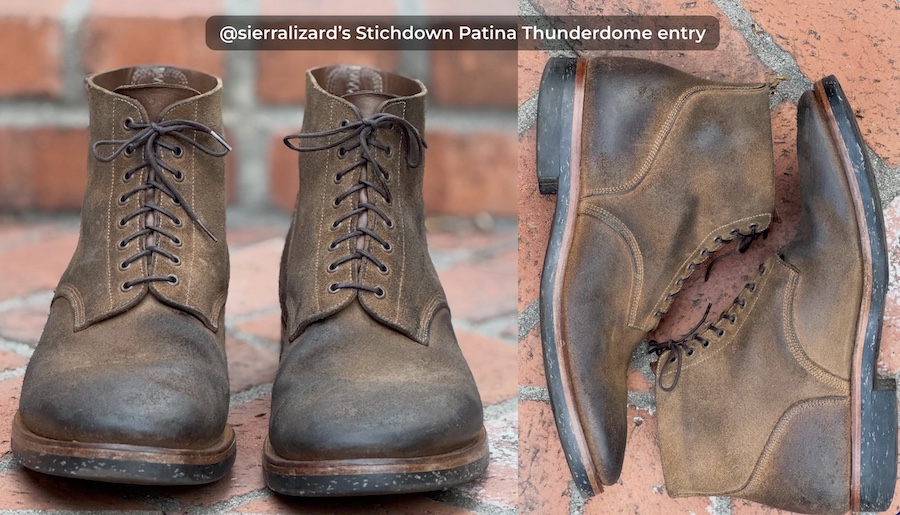
Viberg's unmatched reputation for quality and consistency are on full display with their heavy, stitchdown take on the classic boondocker.

When you combine its classic good looks with the fact that the average person’s lifestyle would probably benefit more from an outdoorsy service boot than a heavy work boot, it’s easy to see why this is such an enduring style.
Like Red Wing’s moc toe and LL Bean’s duck boot, there are a lot of iconic boots from throughout out history that are still produced today — but I don’t think any of them are as handsome as the boondocker.

I'm the founder and editor of Stridewise, where I have spent nearly a decade covering boots and casual menswear.

by Nick English
Founded in 2018 to help men buy the best boots, we’ve since expanded our team and purview to review and celebrate casual footwear and menswear that’s as close to “buy it for life” quality as possible. We take great pride in being a trusted source for information while maintaining complete editorial independence. At no extra cost to you, we might earn a commission from a brand when you purchase through our links, which helps us keep our mission alive. Learn More
Casual Durable™.
Yup, we even trademarked it. Just because you’re dressed down, doesn’t mean you have to dress bad.
This site started to help guys find the best boots for their dollar and has since expanded to cover the highest quality casual menswear, from leather jackets to selvedge jeans to canvas bags — the kind of simple, fashionproof classics that help you get dressed without overthinking your “style.” Read more
Subscribe for an exclusive article to help you find the best deals on quality footwear.