Updated Mar 30, 2026

Stridewise
It's a Boot Time
The point of denim is to be tough first and breathable second, so even lightweight denim jeans may not be the absolute most comfortable summer pants possible.
But they might be the toughest summer pants that are also pretty good for hot weather and they already match all your clothes, since jeans are the cornerstone of everyone’s casual wardrobe. (Plus, you don’t really have to worry about sweating through them. They’re dark, tough, casual, and easy to wash. You’ll just get cool fades!)
After years of trying to crack the code on summer jeans (including trips to jeans factories and denim professors), I’ve found some brands that mix their denim with summery materials like linen and hemp, some with unusually loose weaves for air flow, and some that use rare synthetics and looms to weave denim that’s lighter than you’ve ever worn.
Get a pair of these jeans and wear your favorite casual pants all year long.
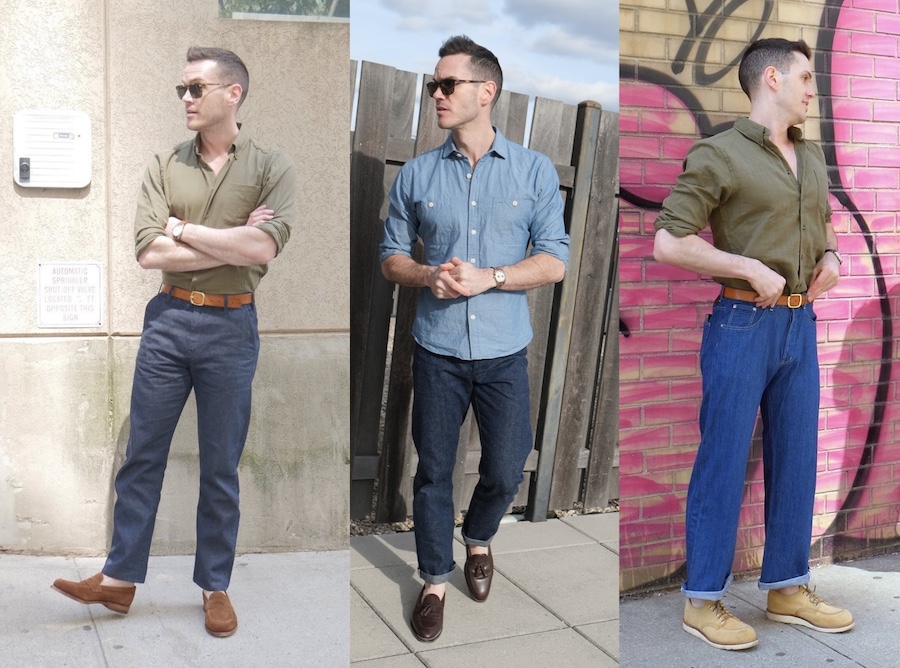
These are my picks! After that I’ve got a quick summary of how I chose them, and then there’s the full, expanded list with all the detail you might want.
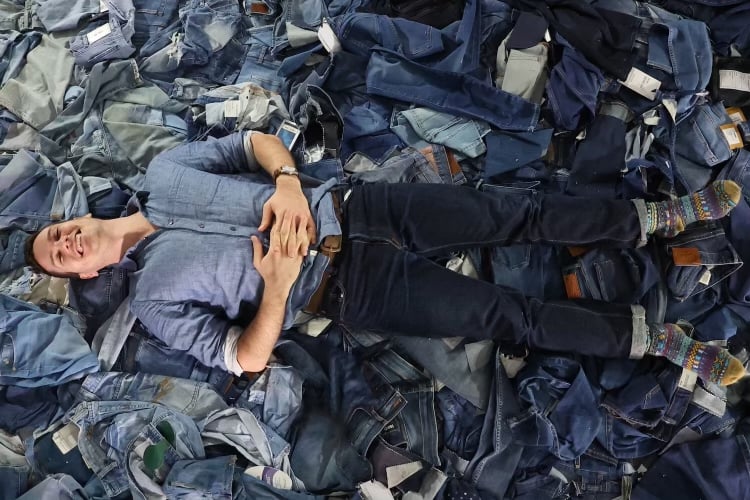
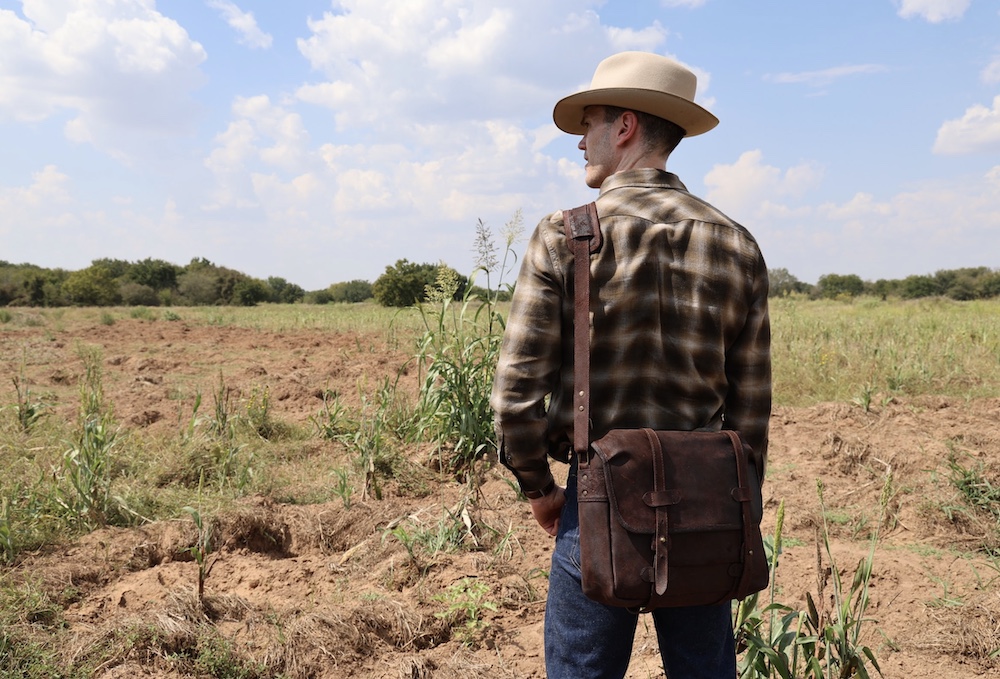
Most of these I’ve worn myself, but some of them I found by asking my community of denim nerds over on my YouTube channel and on Instagram.
I’ve also been covering the denim industry for over eight years on this blog and on my YouTube channel, where I’ve visited denim fading factories, interviewed Vietnam’s raw denim community, found London’s last jeans maker, befriended professors of denim history, and more. I have a pretty good grasp of this stuff, or a good enough grasp to write a roundup like this. At the end of this list, I’ve added another section on the different qualities I looked for to create this list — it might help you make your own denim decisions in the future!
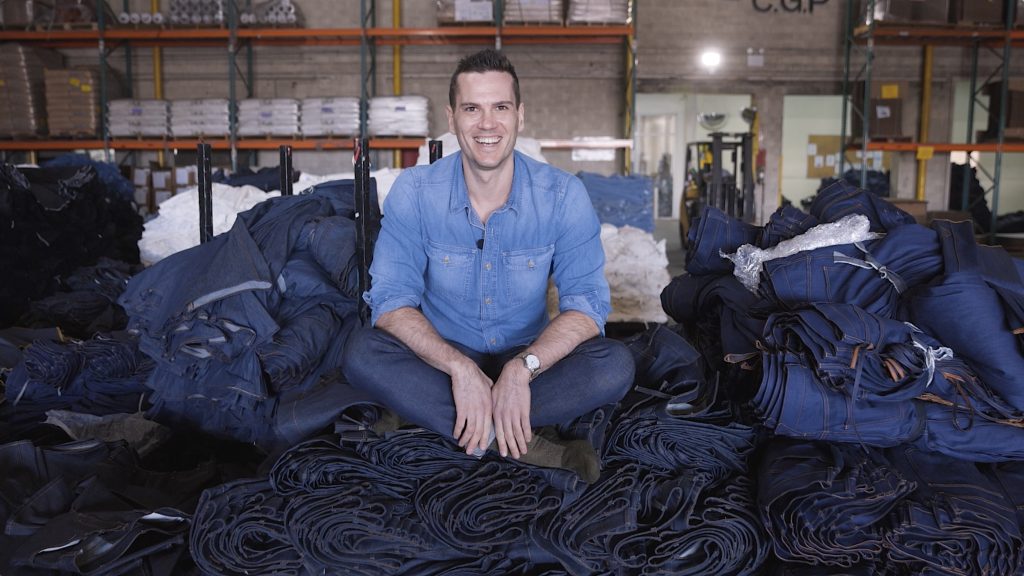
It’s hard to make an article like this because every denim brand refreshes their product line several times per year, so any company on this list might discontinue the denim I’ve highlighted at any second.
But if you decide you like a brand I’ve mentioned, click on their link, and the link turns out to be broken, just look around the brand’s website for other summer friendly jeans. In all likelihood, they’ve just swapped one great summer jean for another.
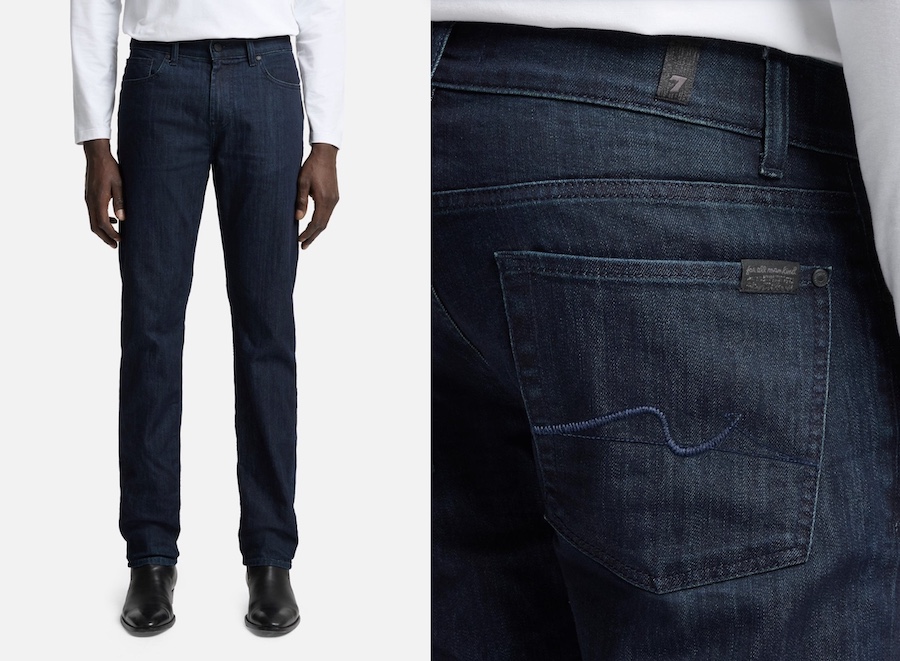
Do I normally dislike synthetics in the heat? Yes. But like I said earlier in this article, it’s fine with me when the synthetics are being used to make denim that’s lighter than you’ll ever find (probably) in 100-percent cotton fabrics.
Your average cotton jeans are about 12 ounces, 7 For All Mankind’s Airweft line uses 8.25-ounce denim. It’s 81 percent cotton, 17 percent polyester, and 2 percent elastane, but I have no beef with polyester and elastane if the fabric is this light — and the comfort is further elevated with the two percent stretch. Because if you’re opting for synthetics, why not also make ’em stretchy?

The "Airweft" line uses a blend with Japanese hollow-fiber construction that maximizes both strength and airflow, producing denim that weighs just 8.25 ounces.
The brand isn’t cheap, but this is a case of the product deserving its high price. The tech is remarkable (something about “engineered with Japanese hollow fibers”) and reviews agree that it just works, plus they make a staggering array of fits (and chinos! and denim chinos!) with this fabric.
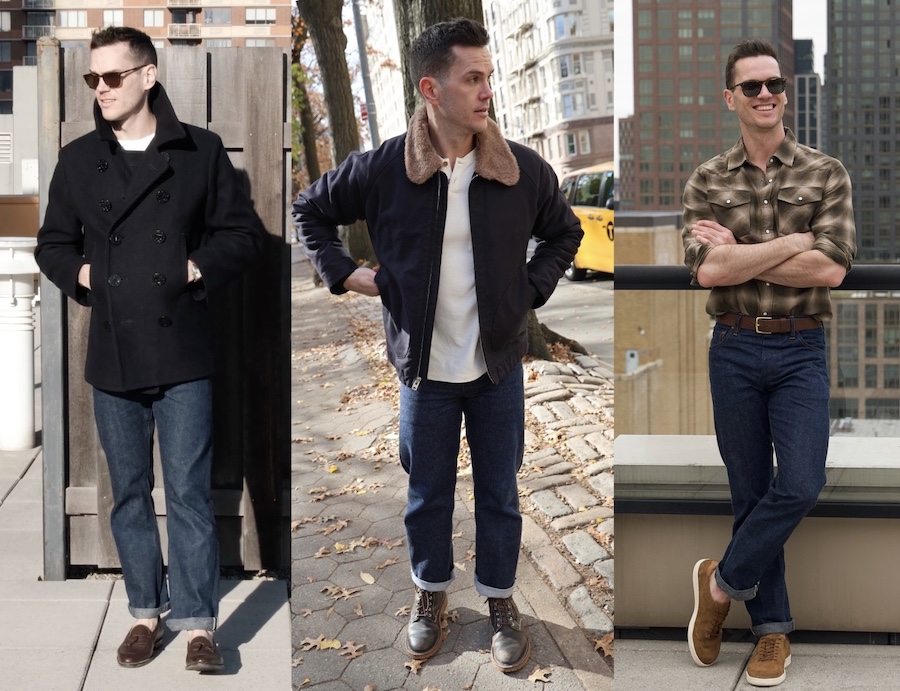
Left Field NYC is the underdog of American-made denim jeans. An independent brand that once flew under the radar, they’ve become an institution in Queens (not far from my apartment) and now have stores in Manhattan and Los Angeles.
Never growing too fast for their own good, they have earned an excellent reputation for their fits and fabrics. (They aren’t jeans, but their wide fitting canvas pants are the only ones I wear these days.) The fabric I’m spotlighting for summer jeans, though, is called Jelt, which is based on a denim developed by Lee in 1925.

Available in several fits that are all made in the USA, this is a premium fabric that's woven to combine breathability and high tensile strength.
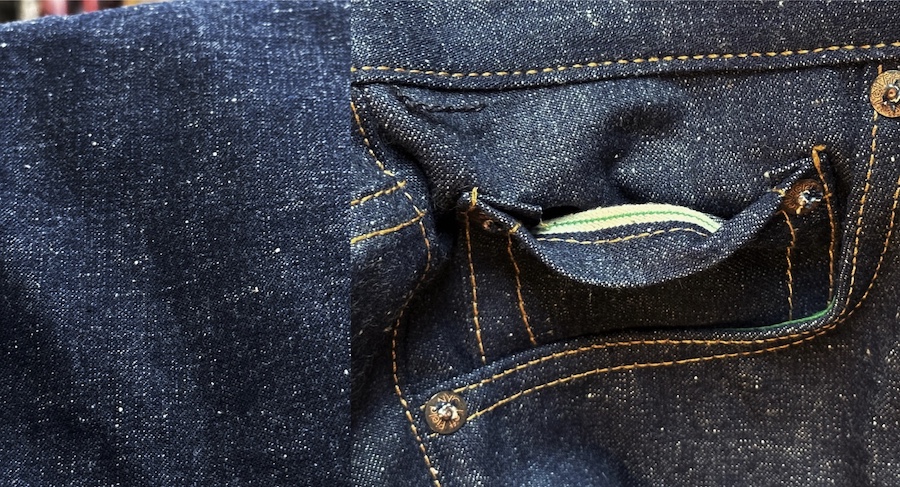
Long story short: it combines light weight with a tight weave. Jelt has a light, 11.5-ounce weight, but Left Field reckons it has the strength of 13-ounce denim.
There are lighter jeans on this list and there are cheaper jeans on this list, but Left Field is a crowd favorite: the selvedge denim has the kind of texture and nep that really pleases denim nerds, and the fits are outstanding. I’ve tried both the wide leg Smokestack and the straight leg Greaser, and I love the latter’s slightly-higher-than-usual rise. Perhaps my favorite is their Atlas fit, the best “athletic fit” I’ve found. (I usually need to take the waist in on my jeans.)
Whatever you get, Left Field are really legit and really committed to American manufacturing.

If you like high quality jeans and innovative fabrics, there’s no real reason to go anywhere but Naked & Famous — not since they added two wider leg fits to their lineup, the Strong Guy (wide) and True Guy (relaxed straight, my preferred fit).
Thanks to unusually friendly trade agreements from Japan (where all the fabric is woven) and Canada (where all the jeans are made), this Montreal-based brand has remarkably affordable prices, especially given the fact that they’re considered the most innovative denim brand on Earth.

These guys have an unwavering commitment to pushing the boundaries of raw selvedge denim, releasing several lightweight options every spring and charging very reasonable prices.
I could list all the reasons why there’s no point disputing that title of “most innovative denim brand” or you can just see my list of the weirdest denims they’ve come out with (Scratch-n-Sniff jeans?!) but I’m here to talk about their summer jeans, and they’re very good at those.
Every year they have a whole different lineup, but head to their site in springtime and you might see jeans made of linen, hemp, ultralight synthetics, and more! I have this jacket in their lightweight “Workforce” selvedge that I can’t wait to wear with my fatigues this summer.
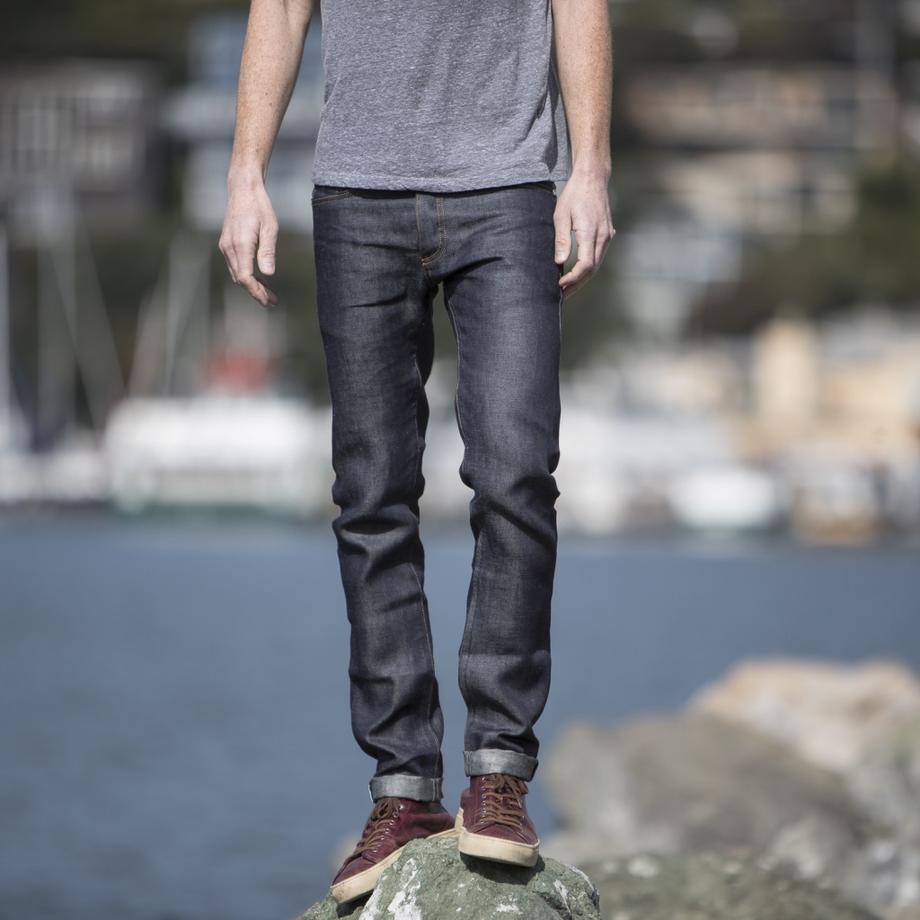
This is a brand that makes a lot of the kind of stuff I cover on this website (lots of denim, canvas, and heavy t-shirts) and they do it for cheap — by using a fulfillment model. You might wait months to get your stuff, but if you order early, there’s no reason to not take advantage of the excellent price:quality ratio.

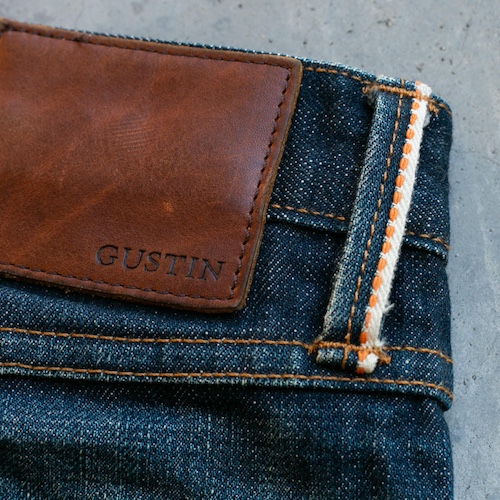
If you're happy to wait a while for your order to be crowdfunded, Gustin makes great value heritage menswear from really cool fabrics.
Well, unless you want more than two fits to choose from. And I imagine sizing exchanges are tough with this business model. But I’ve owned Gustin sweatshirts and t-shirts with no sizing issue. (The t-shirts’ collars stretched out, though.)
Anyway, they always have really cool summer jeans, like American-made linen jeans. Because most products are more like short-lived campaigns, they’re always disappearing and reappearing on their site — I don’t have a link for you, because the line-up constantly changes. But I always see great summer options.

…are a very cool Dutch brand I’ve worked with before. Last year they had a cotton-linen blend jean and some 10oz denim blended with hemp, which may be a little better at moisture wicking if you’re still sweaty.
Benzak Denim Developers have an impressive array of fits for a small, independent brand (run by two brothers!), and they’re a good pick if you’re curious about European-made (Portugal) and European-designed (Holland) jeans. (In a fascinating twist, they have a simultaneous Japanese-made line.)
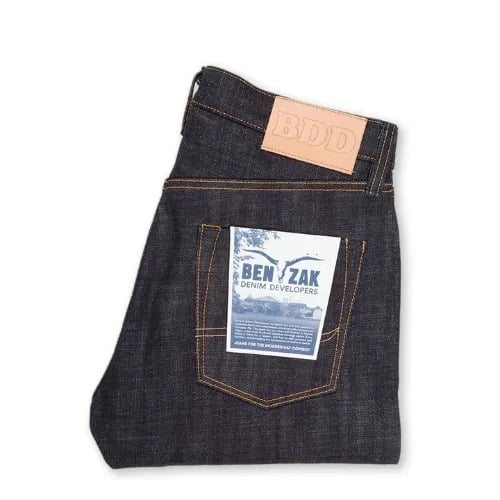
Benzak's Japanese and European-made denim is among the best. From selvedge, to neppy to slubby (in a variety of fits), they have an option for every denimhead.
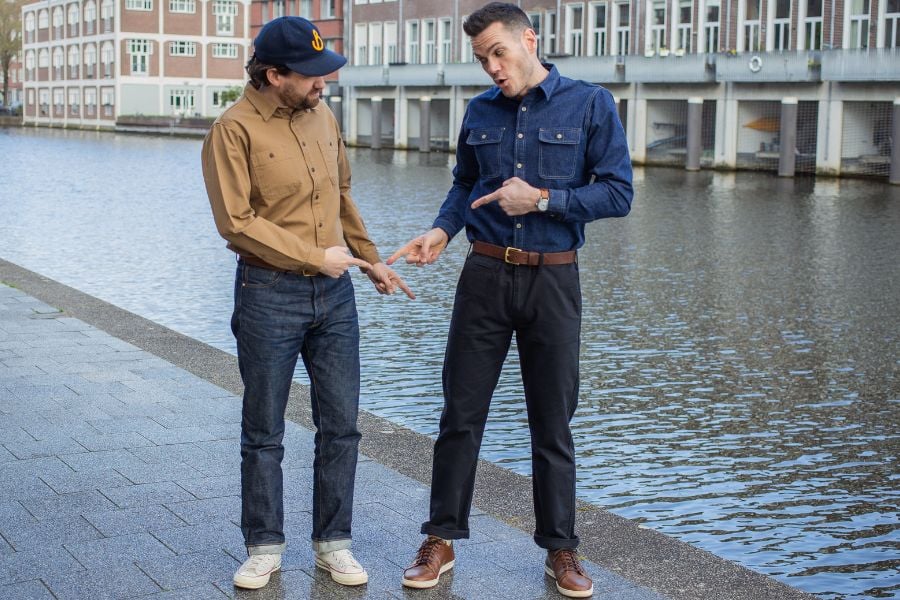
Benzak don’t have a super wide variety of summer stuff (that’s why they’re sixth on this list), but they’re low key pretty creative with their fabrics. I wore their hemp denim and “easy-fade” denim a lot last year, plus this is the brand that made me fall in love with denim chinos.
For super Japanese jeans, Oni Denim Co and Japan Blue usually have something under 10 ounces, and if you buy them at Redcast Heritage here you’ll get a very good price and super fast shipping from Spain.
I asked for a discount code, and either stridewise or stridewise5 should get you five percent off. Hey, it’s not nothing!
Another website with great prices for Japanese denim is Denimio, and if you make an account and then use the code stridewise, there’s some kind of discount too.
I mean, I’m sure at least one of those codes still works, right?
The four factors that will determine the comfort of your summer jeans are the weight of the denim, the tightness of the weave, the composition of the fabric, and the fit of the jeans.
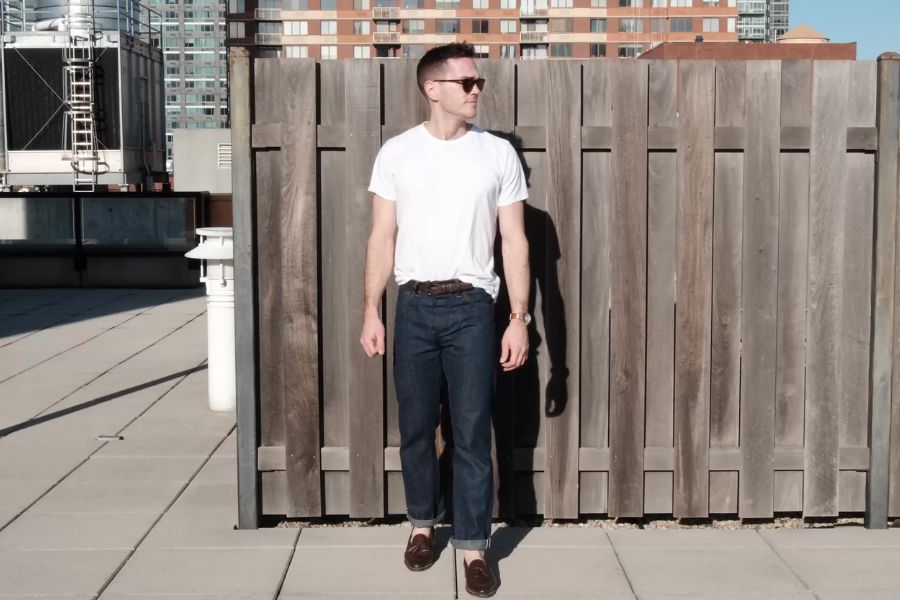
You can tell if a denim is thin or thick by figuring out if it’s light or heavy. You aren’t looking for how many millimeters the fabric measures, you’re going by how much one square yard of fabric weighs.
There are several kinds of fabric weaves and weight works a little differently between them: 12-ounce canvas feels heavier than 12-ounce denim.
But your average jeans are 11 or 12 ounces, and while there are scores of companies that delight in making very heavy jeans, it’s much more unusual to find jeans that are lighter.
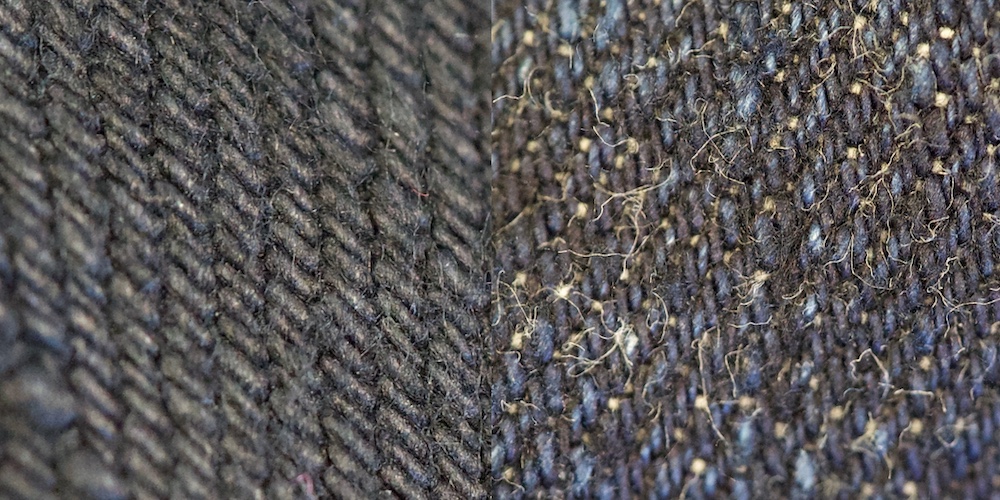
It’s unusual for a large brand to use the terms “open weave” or “loose weave” (it’s hard enough to find one that tells you the ounces), but if you come across jeans described as having a loose weave, then there’s more space between the yarns and you get more airflow.
This is one reason why 12-ounce canvas pants feel more stuffy than 12-ounce denim: that kind of canvas has a tighter weave.
If you’ve ever turned your nose up at synthetics but didn’t have a great reason to do so, congratulations: most synthetic materials mess with breathability. I heard it from a jeans manufacturer myself in Los Angeles.
“You’re taking a natural fiber that is going to breathe just fine and adding a man-made fiber that has no breathability,” said Ashley Walters of Hiroshi Kato. “It’s completely solid, and you’re mixing the two together.”
Synthetics can have some benefits (stretchiness the most famous) but for maximum breathability, avoid polyester, elastane (a.k.a. spandex), and acrylic.
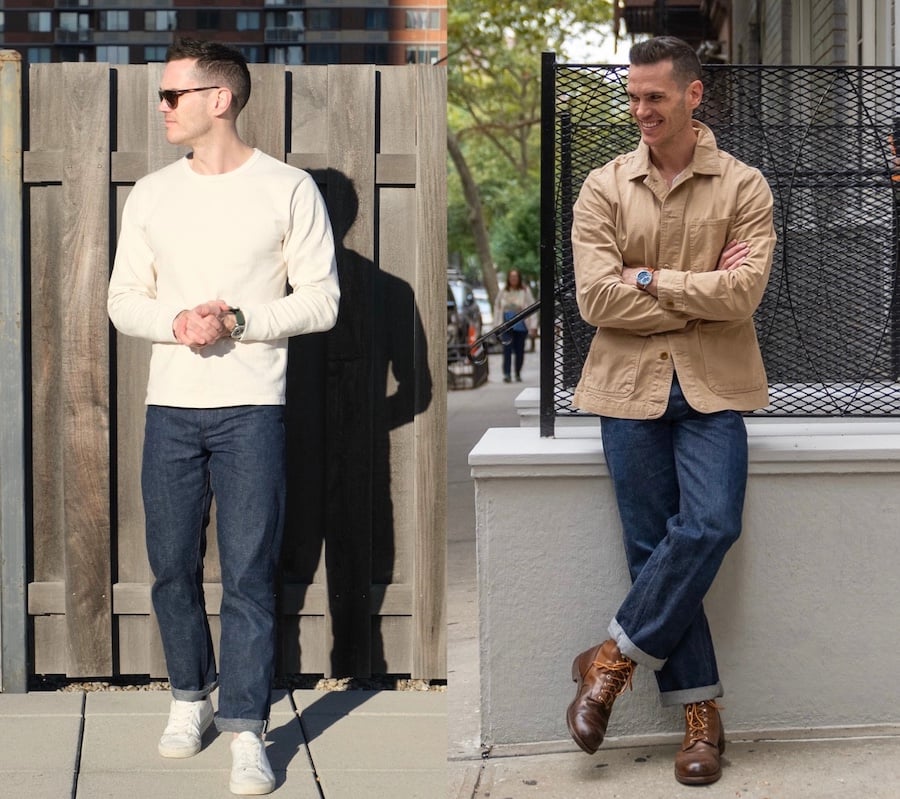
Just buy looser fitting jeans, especially since I just told you to avoid elastane. The roomier the jeans, the more breeze you’ll get flapping up your calves.
The most “classic” fit is the straight leg, and that’ll be more comfortable than a skinny or tapered fit, but wider cuts go by names like relaxed, relaxed straight, wide, loose…
Or you can tap out at straight fits like me, because I know I’ll regret those super wide legs once they go out of style!
I don’t feel like writing anymore, but those are my favorite picks for summer jeans. If you feel overwhelmed by all those options, just look for any denim that’s under 11 ounces and try to avoid synthetics.
That said, jeans are more than their fabric composition, and I can personally attest to all the brands here for good summer jeans that are also good jeans.

By day: Manhattan-based journalist with reporting experience on four continents, published in Vice, Men's Health, Popular Science, and a bunch of other places.
by Nick English
Founded in 2018 to help men buy the best boots, we’ve since expanded our team and purview to review and celebrate casual footwear and menswear that’s as close to “buy it for life” quality as possible. We take great pride in being a trusted source for information while maintaining complete editorial independence. At no extra cost to you, we might earn a commission from a brand when you purchase through our links, which helps us keep our mission alive. Learn More
Casual Durable™.
Yup, we even trademarked it. Just because you’re dressed down, doesn’t mean you have to dress bad.
This site started to help guys find the best boots for their dollar and has since expanded to cover the highest quality casual menswear, from leather jackets to selvedge jeans to canvas bags — the kind of simple, fashionproof classics that help you get dressed without overthinking your “style.” Read more
Subscribe for an exclusive article to help you find the best deals on quality footwear.