Updated Dec 30, 2025

Stridewise
It's a Boot Time
There’s foowear, there’s boots, there’s heritage boots (the old fashioned, resoleable kind), and then there are Pacific Northwest boots.
More than a subcategory of a subcategory, many consider this to be the Alpha and Omega of high quality American boots.
Incredibly tough and as Old America as a boots get, “PNW” boots deliberately invoke the grizzled pioneers that built this country. But while a lot of blue collar workers have moved away from heritage boots to cheaper models with more synthetic components and ASTM ratings (fair), PNW boots are still favored (and often required) by some of the nation’s toughest outdoorsmen and most discerning boot collectors.
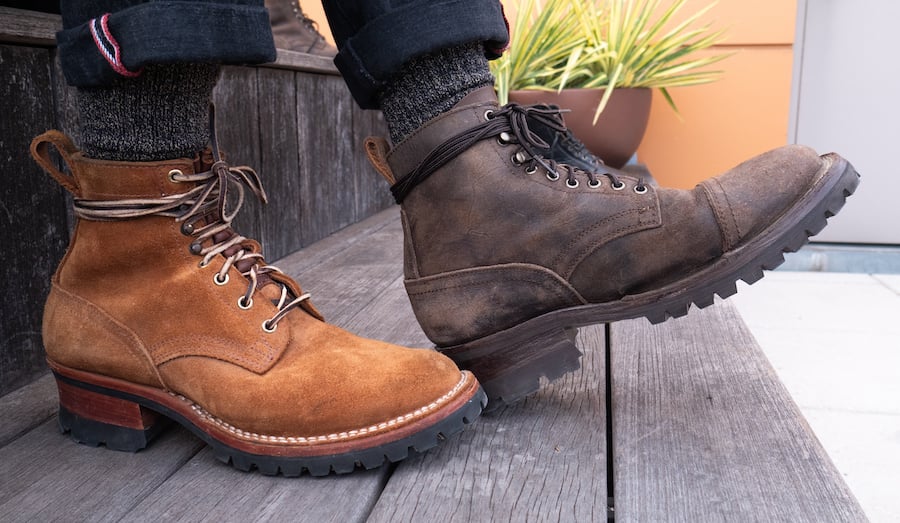
To help write this article, I met up with some guys who are card carrying members of that latter category: YouTubers Diego from Urban Lad and Tom from Kudusole, two guys who have an extensive collection of PNW boots… even though they’re British.
We’re going to define the PNW boot, walk through the best known brands, and then give some more controversial picks that might count as PNW as well. You decide!
Pacific Northwest Boots were originally made for… the Northwest coast of North America, which has its own distinctive history when it came to “settling” the region.
“Most of these boots were developed for working outdoors,” says Diego. “The original spirit of these brands is to outfit people who work in logging, mining, and other tough conditions in the area.”
In addition to navigating its particular topography of forests and mountains, settlers also dealt with the region’s brand of chilling wetness and forest fire frequency.

Today, many of the brands in this article continue to outfit the region’s outdoorsmen , with most offering specialized footwear like firefighter boots with fireproof stitching and logger boots with spiked “caulk soles” to better grip slick and muddy surfaces.
“Pacific Northwest boots are also known for the models with big high heels,” says Tom. “They’re functional, though, they can help a lineman secure onto ladder rungs or a construction worker stomp on a shovel.”
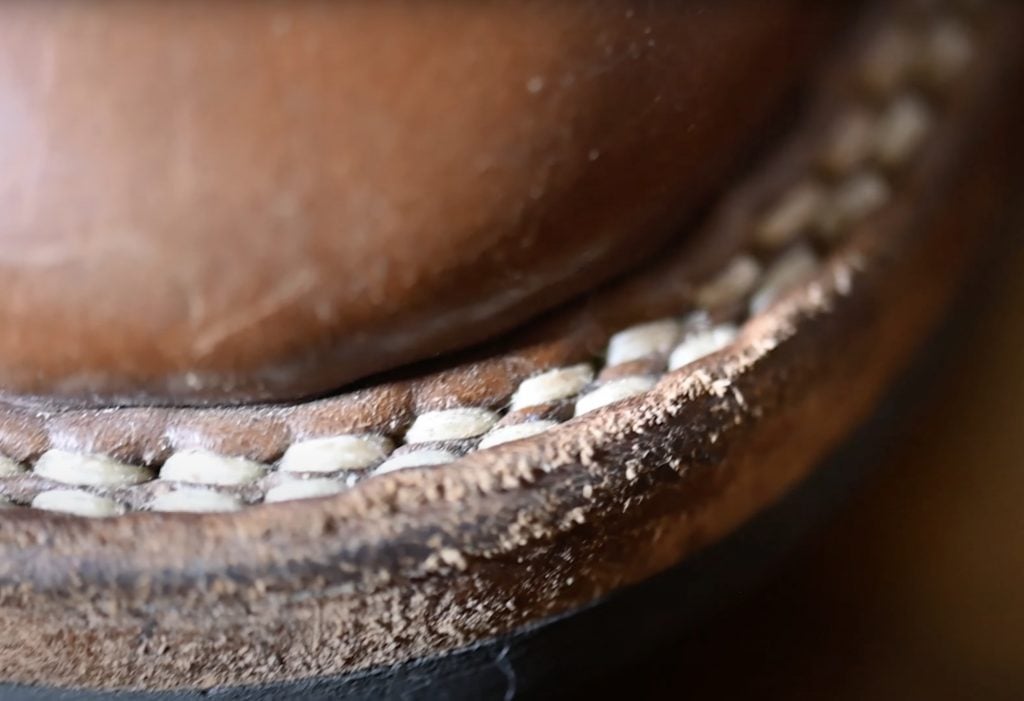
“I feel like the most consistent feature across this category is stitchdown construction instead of the Goodyear welt,” adds Diego.
Fully explaining the difference between the two types of bootmaking is outside the scope of this article, and people make the choice more binary than it is. For example, the question of “which one is more waterproof” also has a lot to do with seam finishing, lining, what kind of leather is used where, and how smart the bootmaker is — “Goodyear welt or stitchdown” is too simple.
Still, it appears that when you’re making boots that can endure the Pacific Northwest, stitchdown is the go-to. It may offer a more optimal balance of waterproofness and flexibility, particularly when working with the kind of extra thick boot leather that’s favored on these models. Maybe!
It’s a little harder to get a stitchdown boot resoled than the more common Goodyear welt, but that’s considered a worthy tradeoff when creating boots for the toughest climates in the Pacific Northwest.
We’re not listing these in any particular order, but we are segmenting this list into “Very PNW“, “Technically PNW,” and “Arguably PNW.”
This first section is for the brands that everybody considers core to the category of Pacific Northwest boots.
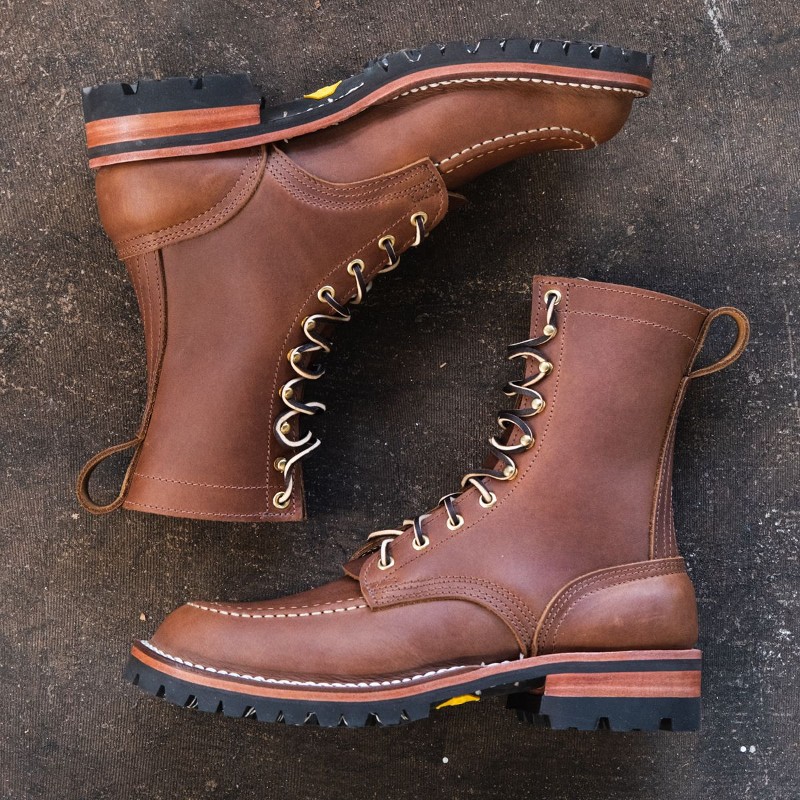
The two best known PNW brands are Nicks and White’s, which we put at number 1 and 2 on this list, but we could have easily swapped that. (And again, this list isn’t in order. Google just makes us put things in numbered lists.)
Nicks is well known for their logging boots, so much so that they released an urban-friendly logger boot called (wait for it) The Urban Logger. It has the same big heel, double row stitchdown, and super thick leather, but with a more accessible 6-inch shaft than, say, the 10-inch height of their bestselling BuilderPro.
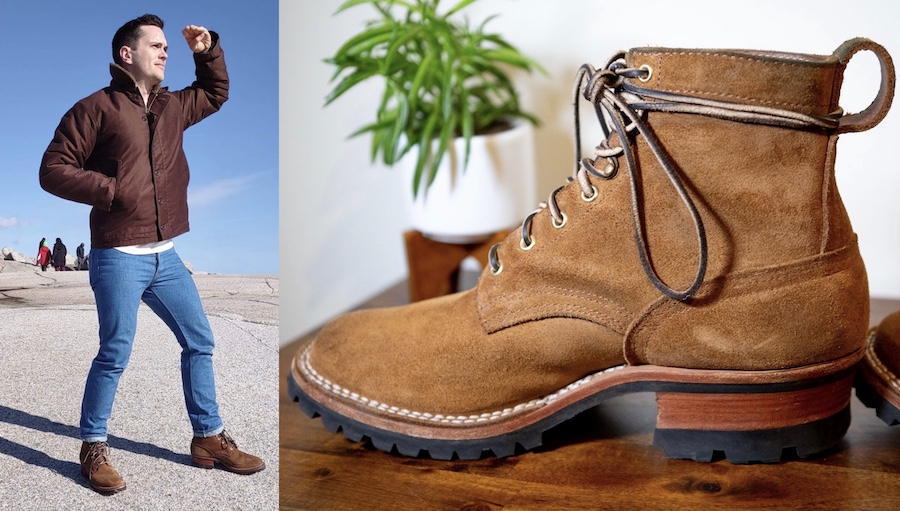
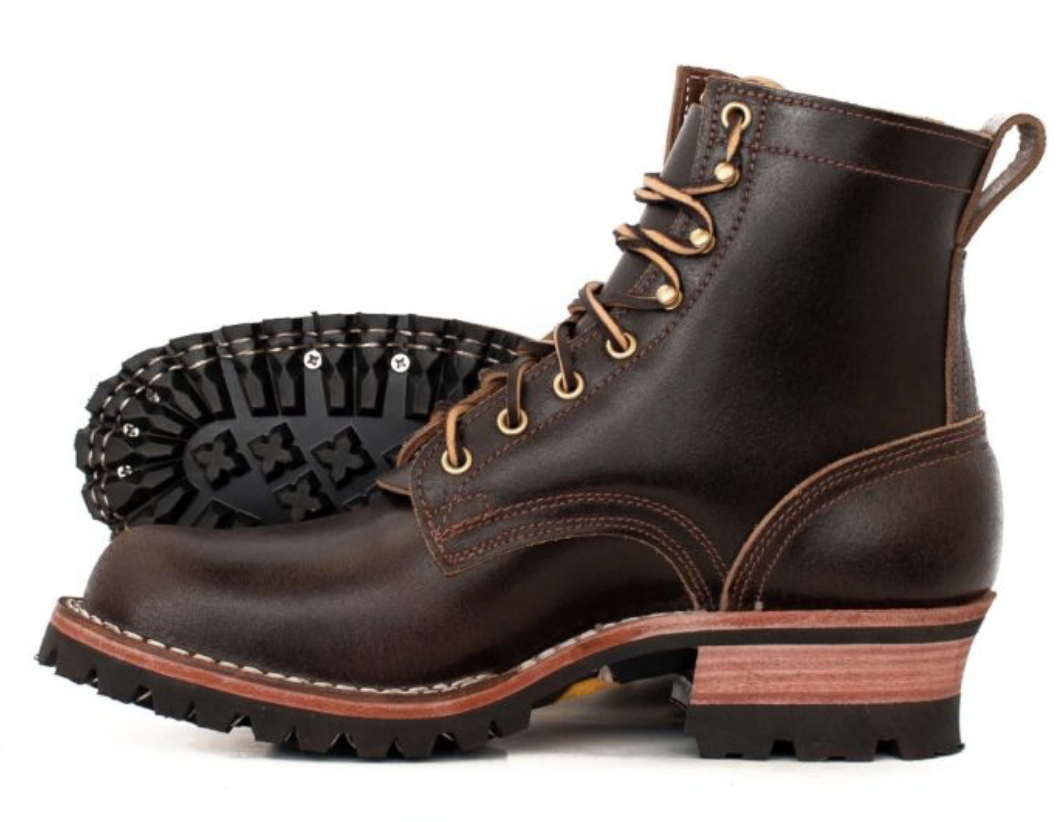
This hybrid boot puts the best features of serious outdoorsman footwear on an ever so slightly more low key design so that it can be worn in the city or the woods.
Nicks works harder at their online presence than anyone else in this space. Their website is easy to use and rich with content, they do a better job of advertising all their customization options than their frenemies at White’s (up next), and most notably their YouTube channel has hundreds of thousands of subscribers and offers a rich look at their processes.
Compared to other PNW brands, Nicks is also more comfortable with making models that aren’t intended for outdoor work. Diego and I had two different boots that are both in this category: the Robert boot and the Americana, both six-inch tall boots (with different lasts and heels) that look great with any casual outfit.
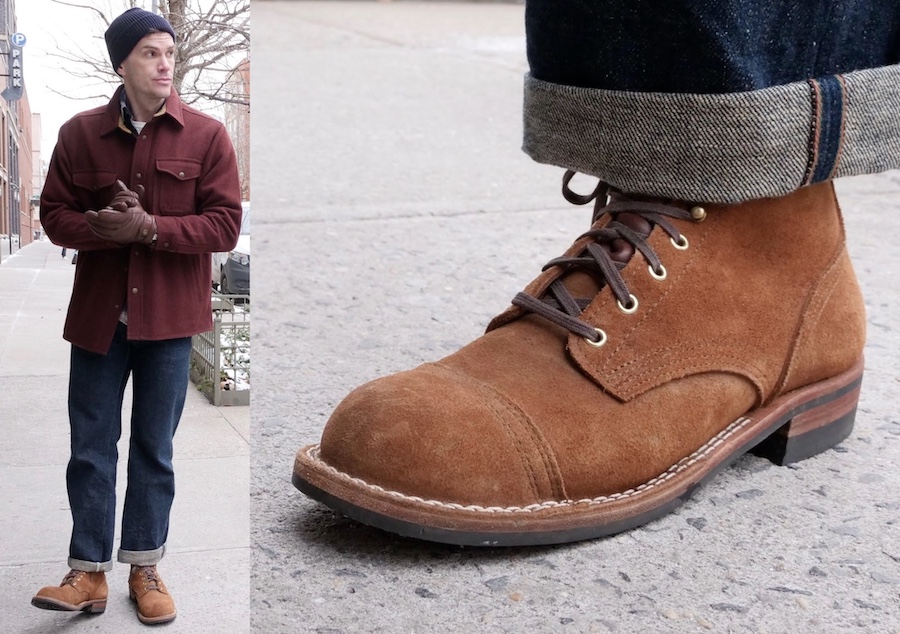
“My Robert is made with a logger heel and it’s built on what they call the 55 Classic Arch last, which has great support and is very comfortable for wearing all day long,” says Diego.
Nicks is also unusually down to do collaborations, regularly producing limited edition boots with Rose Anvil and collabs with other boot brands like Parkhurst.
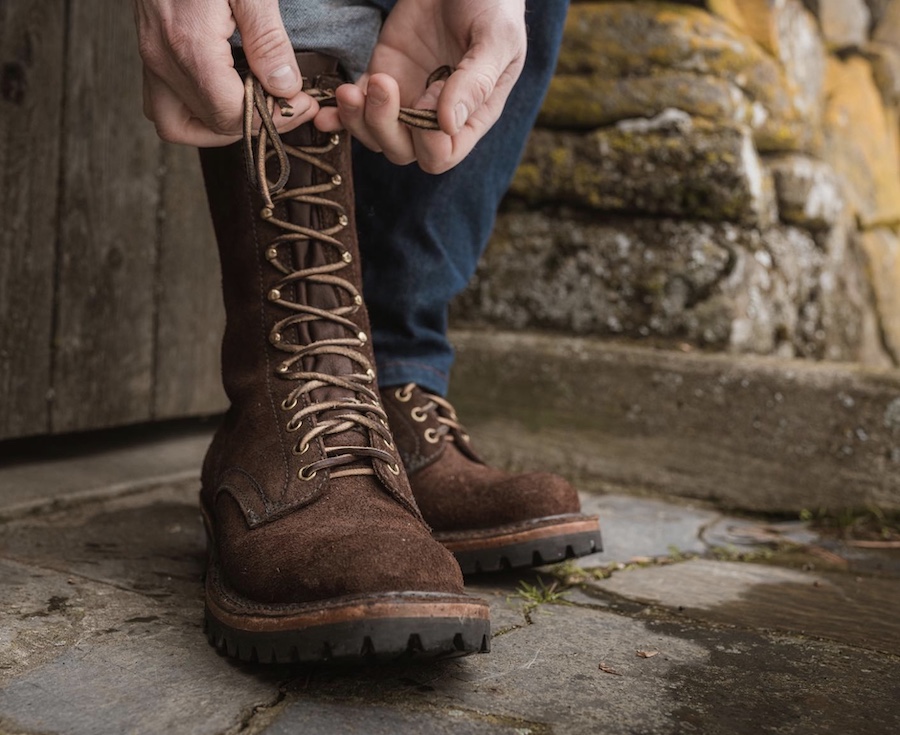
Founded by Otto White in West Virginia before moving to Spokane in 1902, White’s built its reputation on durable boots for loggers and firefighters. In 2014, they were acquired by LaCrosse Footwear, which is in turn owned by Japan’s ABC-Mart.
While they’re no longer technically American owned, they’re still made in the PNW and, by all accounts, haven’t experienced the dreaded post-buyout drop in quality.
Their most famous, most PNW boot is probably the Smokejumper, made with fire resistant soles, beefy heels, and (usually) a 10-inch shaft.
Meanwhile, their most popular casual boot for gen pop would be the MP Sherman, a low profile service boot that blends in easily with jeans and a t-shirt. Our writer Troy gave a great 5-year review below.
Tom has owned three pairs: the dressy Stevens boot that he reviewed here and two pairs of their 350 Cruiser boot, which is about as casual as the Sherman but with a wider, rounder toe. Both Tom and I have owned Cruisers in Chromexcel leather (here’s my own review) but his second pair of Cruisers are a rare collaboration with Baker’s Boots.
“I ordered my White’s boots through Baker’s Boots with Italian Toscanello horse rump leather, but the boots are made in the United States,” says Tom. “These are hand lasted with handsewn, double row stitchdown construction.”
(Speaking of Baker’s Boots, they sell a lot of seconds and returns at low prices in their ‘Final Few’ section.)
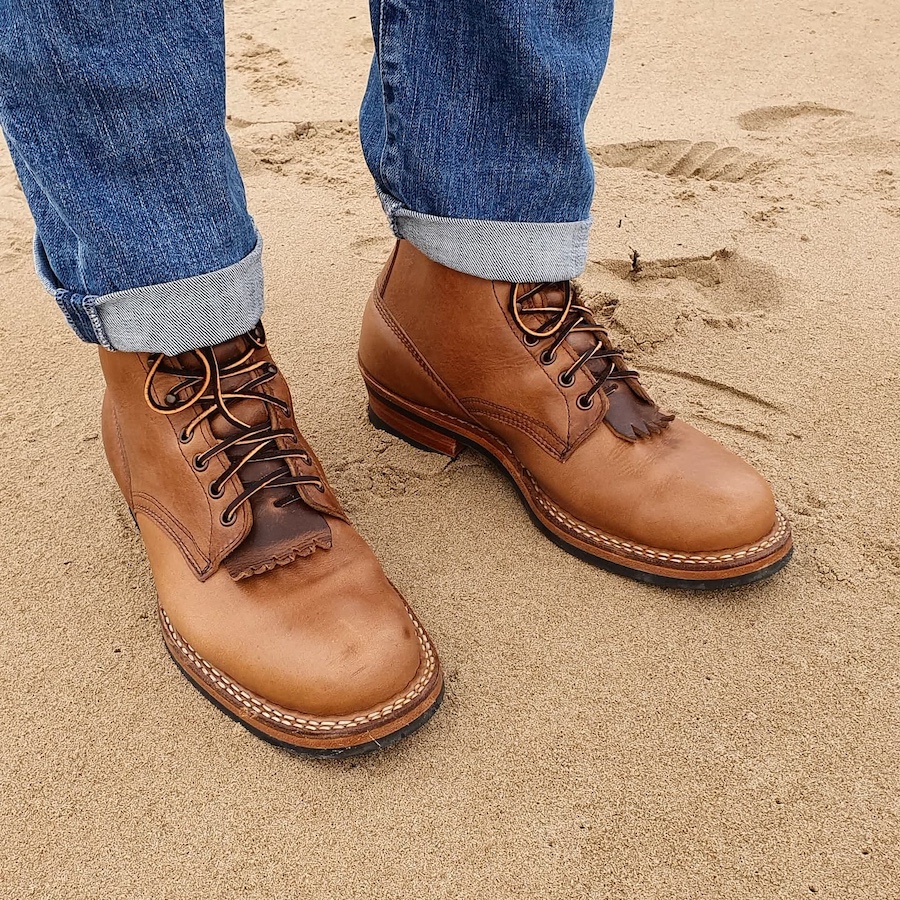
Tom touched on an advantage White’s has over Nicks: White’s customers often have the option of hand sewn stitchdown construction.
It’s arguable as to whether or not that has material benefits over machine sewn (which is all Nicks sells), but it’s inarguable that it’s cool, rare, harder to make, and that White’s sells them for a good price.
Even better is that White’s sometimes gives the option of getting machine sewn stitchdown if you want to save the cash instead. (Look for “C” in the name, eg. White’s MP Sherman vs C-MP Sherman.)

The debate is central to the PNW discourse and everyone has different answers.
I think a fair summary is that Nicks is easier to order, has more options for widths and customization, and they’re more transparent as a brand. As a customer, I’d be much more convinced to buy from Nicks after enjoying their delightfully active YouTube channel.
White’s has a faster lead time, offers handsewn stitchdown, and is slightly better value for what you get. I’m not super educated on the brand, but they also don’t tell you much about themselves or their products. For example, White’s offers several more widths for their boots than they say on their website. You have to e-mail them to really find out what you can buy!
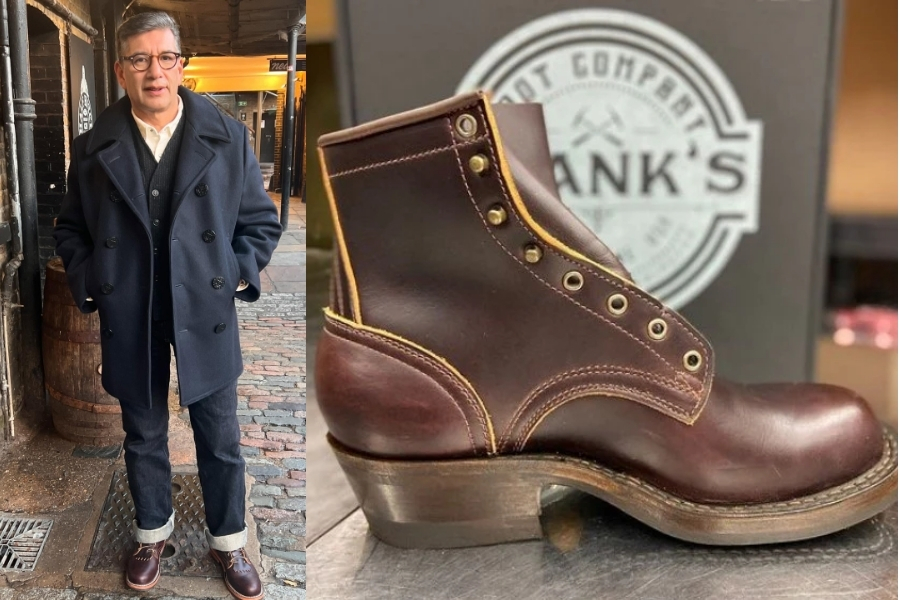
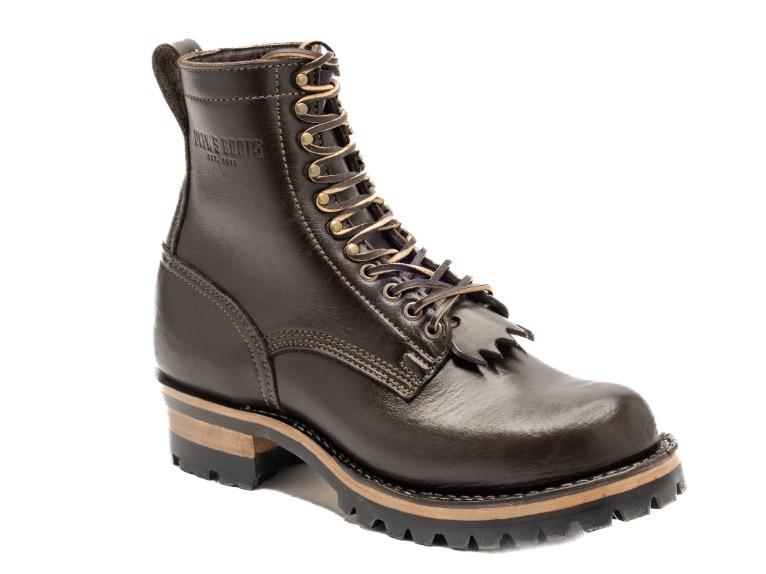
Frank’s Boots is also based in Spokane, where they build heavy duty logger and work boots with old fashioned hand lasting.
Started by a former Manager at Nicks, the business is small and the website a little clunky, but Frank’s stands out by offering custom boots with customized fits at a lower price than the bigger PNW brands. (That service might be declined if you don’t visit in person, though.)
They sell plenty of nice and tall boots for firefighting, logging, and farming, including insulated boots with spiked soles for hardcore winter work. Perhaps their most unique boot is the Frontier Packer, which combines elements of Western and work boots.
“They have fewer models than Nicks, but in terms of quality and comfort, I think they’re the same,” says Diego. “I feel no difference wearing these, and they are very comfortable.”
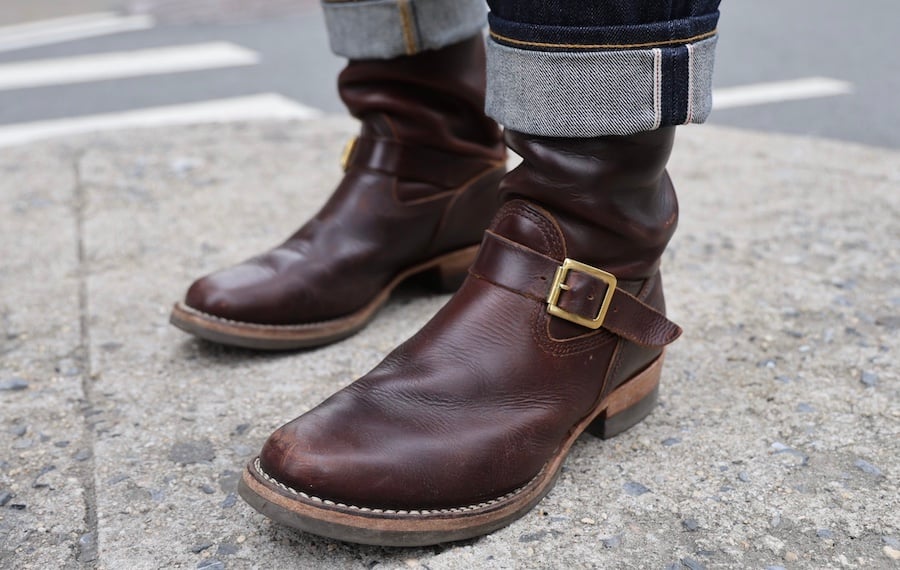
Wesco (short for West Coast Shoe Co.) has been making boots for over a century and are best known for their engineer boots, particularly the Mister Lou (above). They also sell all the usual hardcore PNW boots.
“Unfortunately, my boots just didn’t work for my wide feet,” explains Tom. “The pair I tried was a D width. But that’s the most common width and I think if they fit you right, they’re really nice boots.”
When shopping for PNW boots, you’re likely to have the ability to customize them — the upside of a long waiting period as your boots are made for you. Wesco might have the most options for customization: with the ability to choose everything from thread color to adding pockets to making your boot 20 damn inches high, there are literally millions of different boots you can make.
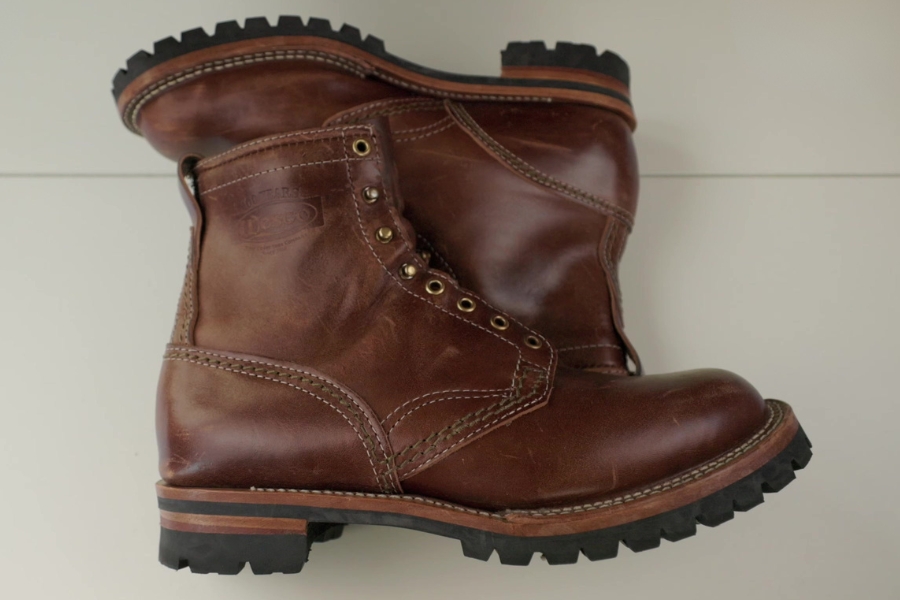
Alas, you might be waiting a year for them to arrive.
“Wesco was actually the last brand on my list, mainly because of the wait times. I just can’t deal with waiting that long,” says Diego, who purchased some Jobmasters. “I’m an 11.5 in most Pacific Northwest boots, and my Brannock size is 12D. My Jobmasters are a 12D but because of the spring at the front of the boot, the toe box size is reduced — I should have sized up.”
Both of our guests had sizing issues with this brand. Make sure you talk to them before choosing your size!
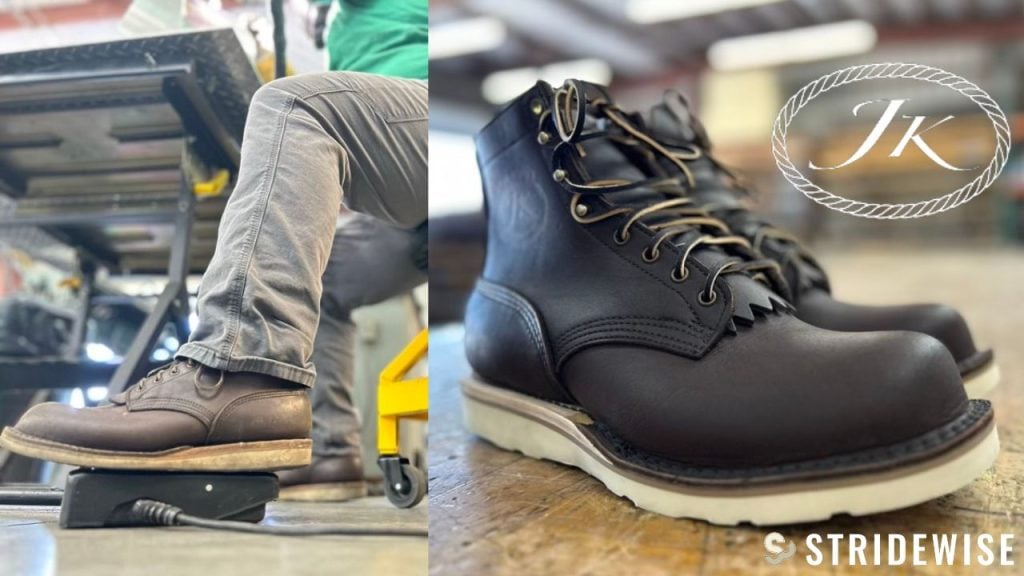
JK stand out from the PNW crowd by having a good website, good prices, an even better priced selection of seconds, and a good mix of leathers from reliable browns to a whole range of bison boots to funky limited editions (green roughout for Christmas, anyone?).
They also made the unusual decision to sell Mexican made cowboy boots alongside their USA-made work boots. Hey, why not?

Made in the Pacific Northwest to the endure the hardest conditions, JK uses far more leather and requires more skill to make than your average boot. Use code STRIDEWISE for a $20 discount.
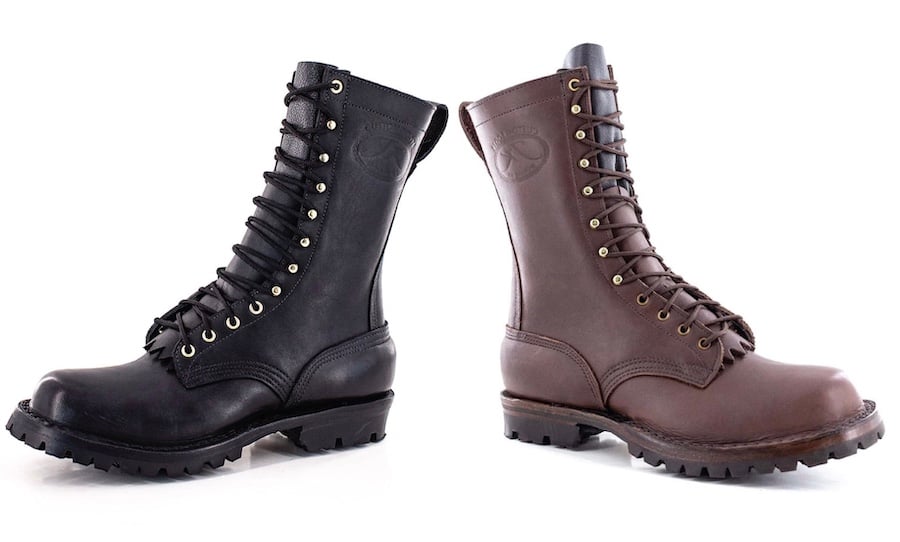
Everyone agrees their sizing makes no sense, and you should read our review of their wedge soled Forefront boots if you’re thinking about ordering. And then talk to them to see if they’ve changed how they size boots.
But if you can work out your size (and everyone seems to in the end), JK offers good value and something different, brand-wise, to others in the space.
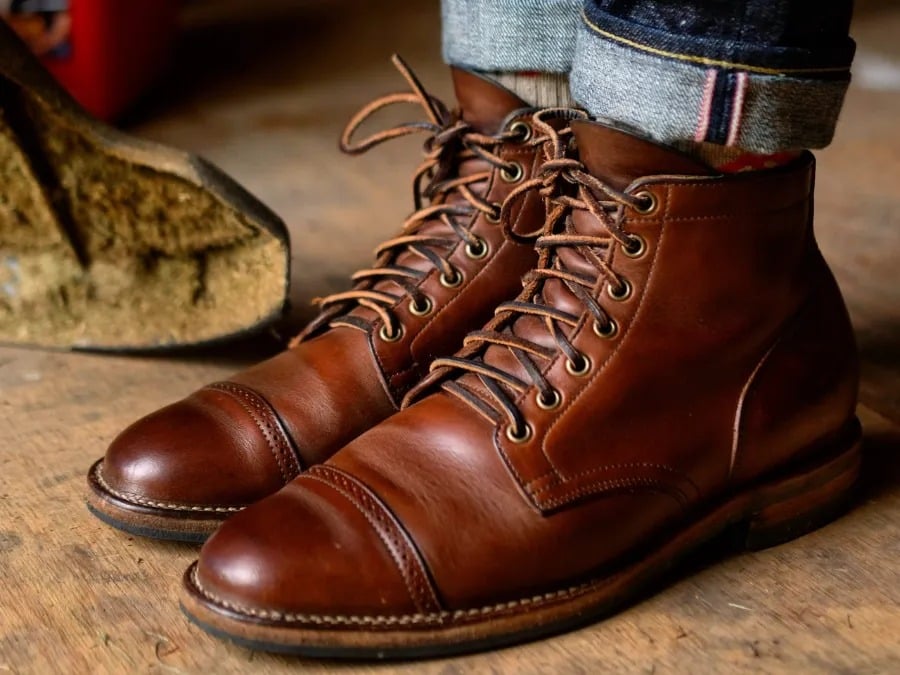
The brands we’re about to list command a lot of respect for their quality and for the fact that they are indeed headquartered and made in the Pacific Northwest, but they don’t have quite as many lumberjack bona fides.
These boots certainly get worn for work and are very capable of enduring tough wear, but these two brands don’t make models designed specifically for the kinds of brutal, tree-related jobs we’ve been seeing so far.
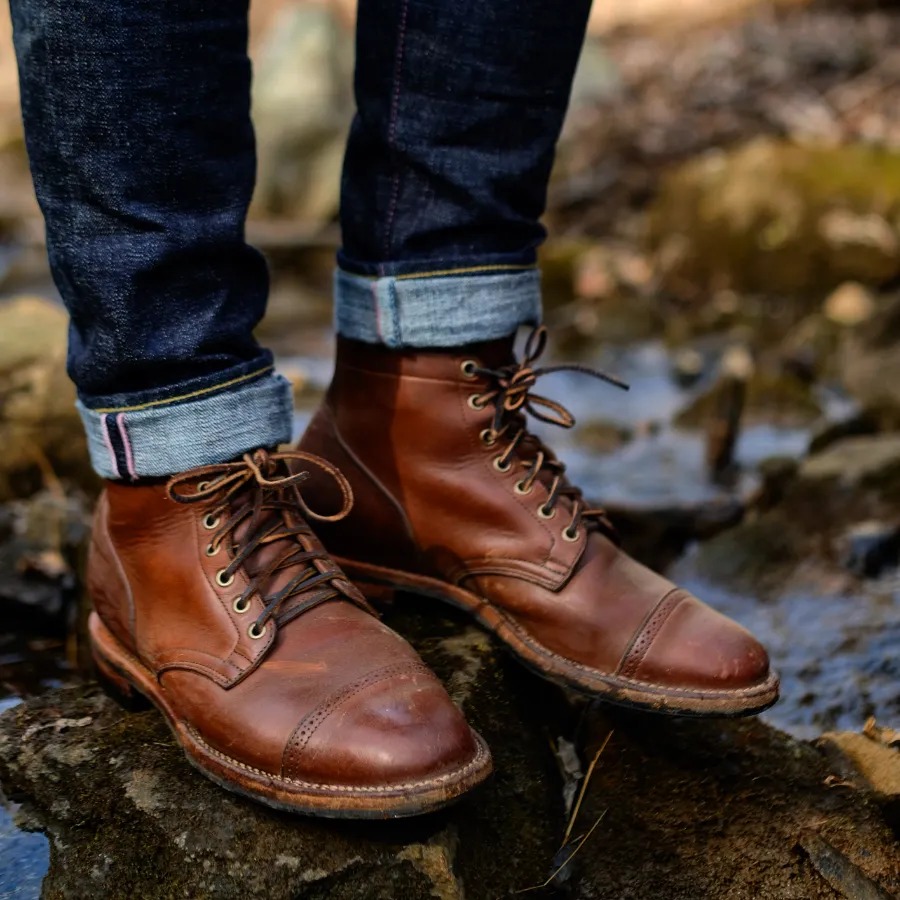
Hey, the United States doesn’t have a monopoly on the Pacific Northwest. Cult favorite Viberg, made on Vancouver Island, deserve a prominent spot on this list.
After all, they were founded over a hundred years ago, have a history of outfitting the region’s outdoorsmen, and are known for some of the most exacting double row stitchdown construction in the industry.
And for some of the highest prices.

Viberg is synonymous with impeccable quality, high end leathers, laborious handwork, and versatile silhouettees, with their iconic Service Boot defining their brand.
Now clocking in at a good $1,000 for their entry level service boot, Viberg’s demographic slowly moved from outdoorsman to moneyed boot enthusiasts, while retaining many of the aforementioned elements of the PNW boot — no one else makes boots this tough that also look so good.
They’re now considered by many as the pinnacle of the high quality casual boot, a reputation and customer base that in 2025 earned them their own store in Soho, Manhattan.
Made with exacting quality control designed to excite the most irritable of boot hobbyists, their boots aren’t for fighting fires, but their history, durability, construction, and materials give them a lifelong seat at the PNW table.
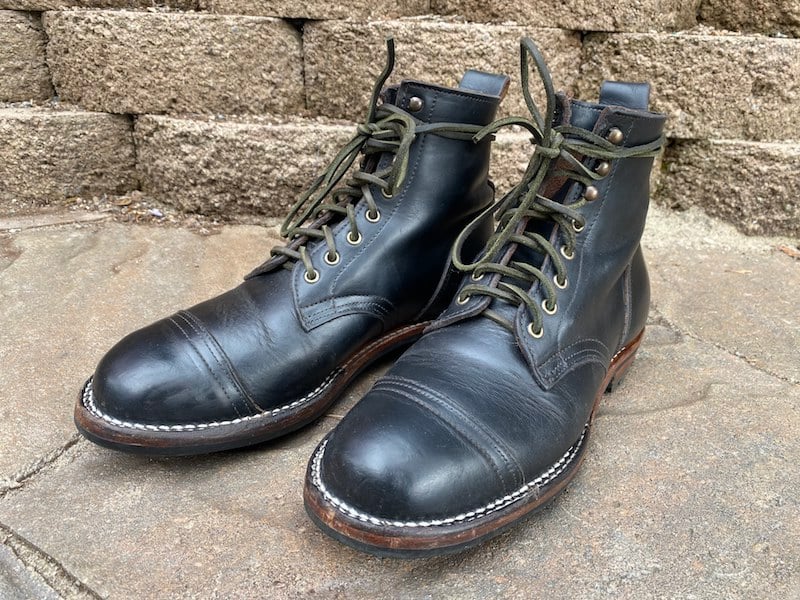
Truman is much younger than most of the other brands here, founded in 2014 by Brooklyn-born Vince Romano. I think they’re probably the best value American made boots.
They’re not the cheapest American made boots, but the ratio of quality to price is singular. This is because Vince owns his own factory and doesn’t spend a dime on marketing — but he can barely keep up with demand.
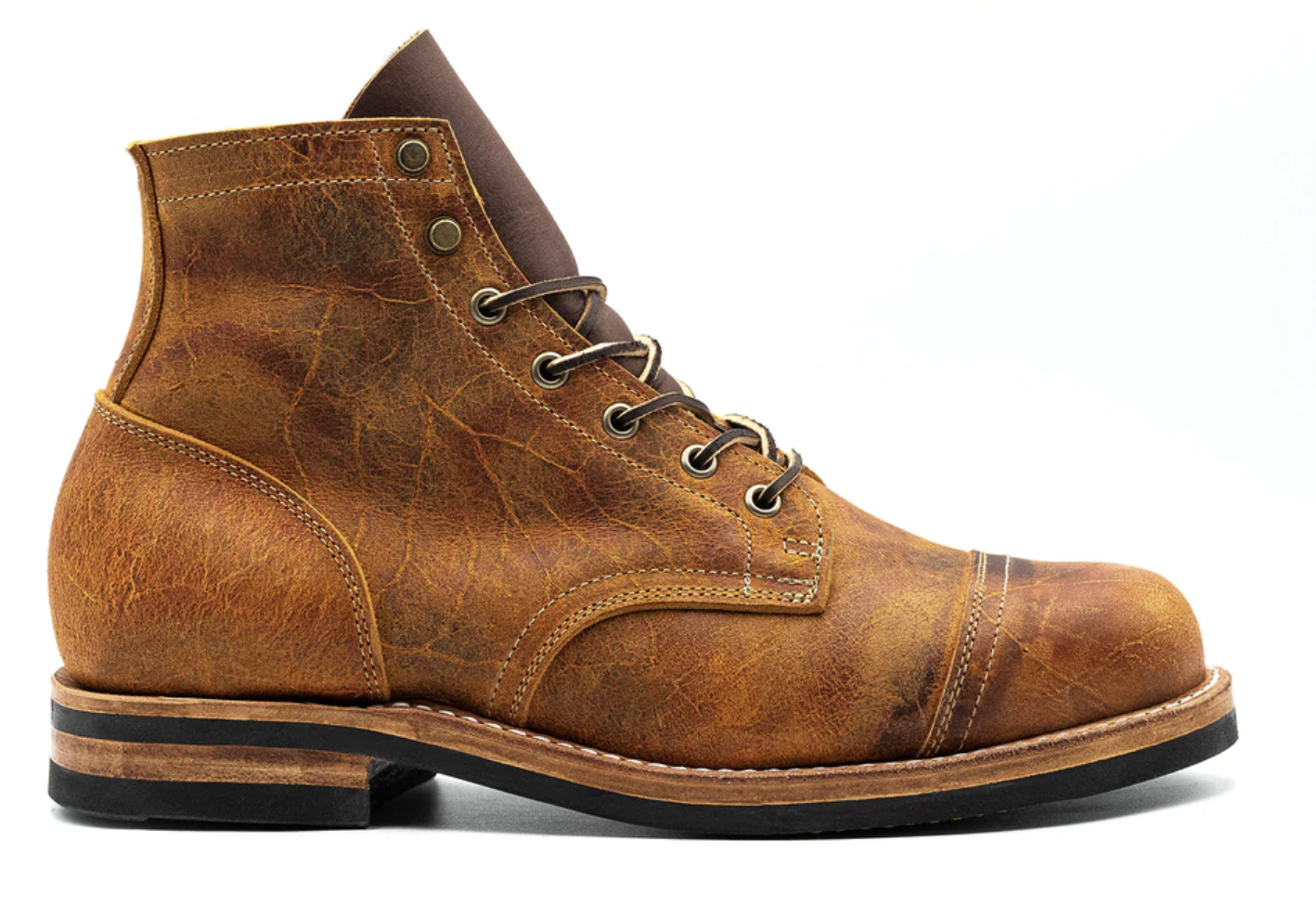
Truman's boots are well priced for being made in the USA, made with very robust construction, and come in an array of leathers that are both common and very-uncommon for such hardwearing boots.
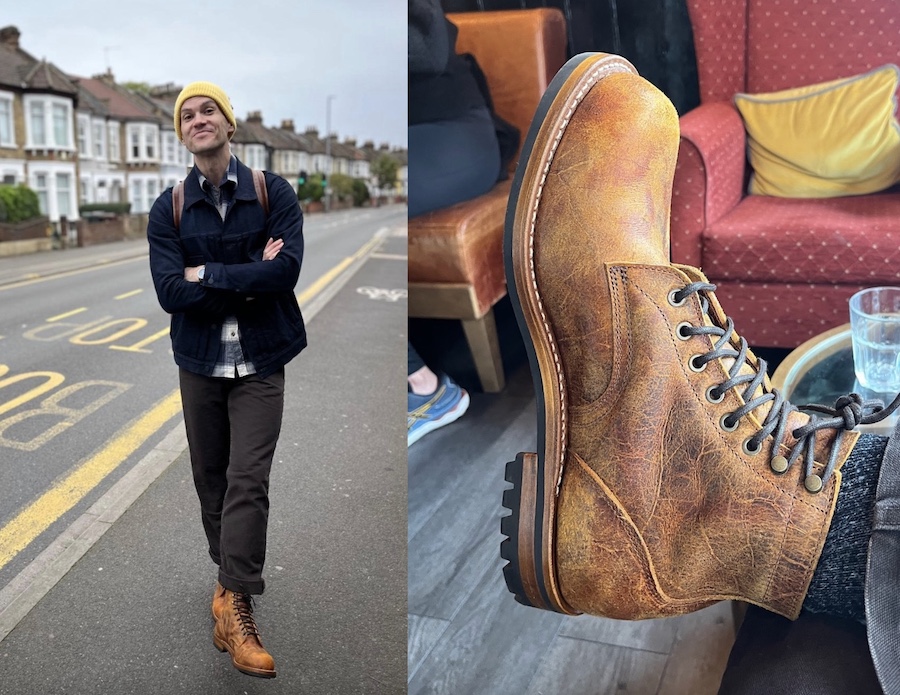
With three lasts for any style and a rotating roster of leathers (Java Waxed Flesh is their flagship), nobody else balances exciting leathers and rugged durability quite like Truman.
They’re a little like Viberg in the way they walk that line (don’t tell Vince I said that) but Trumans are far cheaper, maintain an incredible reputation for quality control, and are honestly better known for being used as actual work boots. (Not every jobsite needs boots with ASTM ratings.)
For the last section, we’re going to discuss some brands that fit the usual criteria of a PNW boot but aren’t exactly made there.
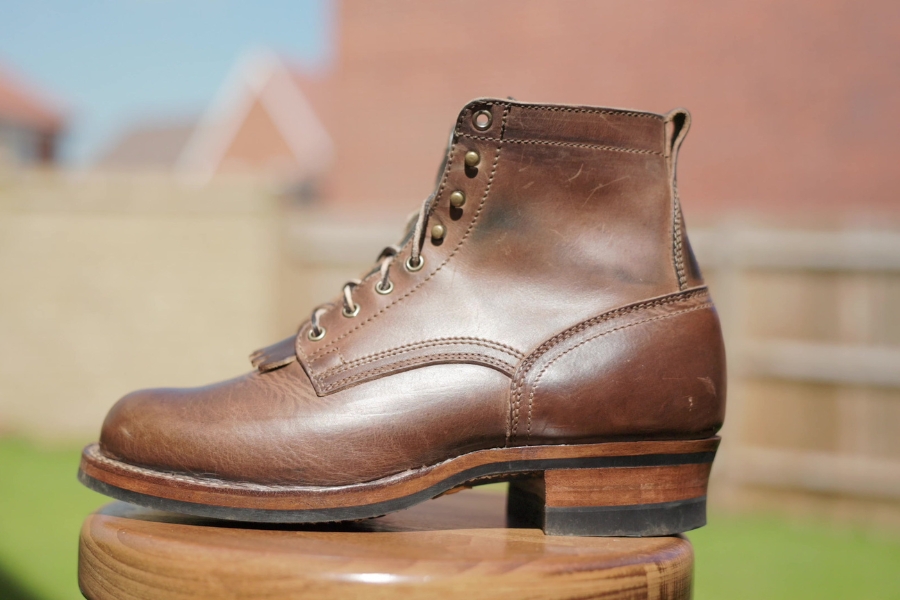
Founded in 1918 by one N.B. Drew (you could just go by your initials back then), Drew’s sells a mix of cowboy, casual, and straight-up-PNW boots. Some of their work boots (often built in collaboration with White’s or Nicks) are U.S.-made, but much of their lineup is made in Mexico.
That’s not an objectively bad thing from the standpoint of quality, and Drew’s are appropriately priced — making them among the best value PNW boots you can get and a good stop for first time buyers.
Founded in 1918, this Pacific Northwest staple offers lower prices and more casual boots than many of their comtemporaries.
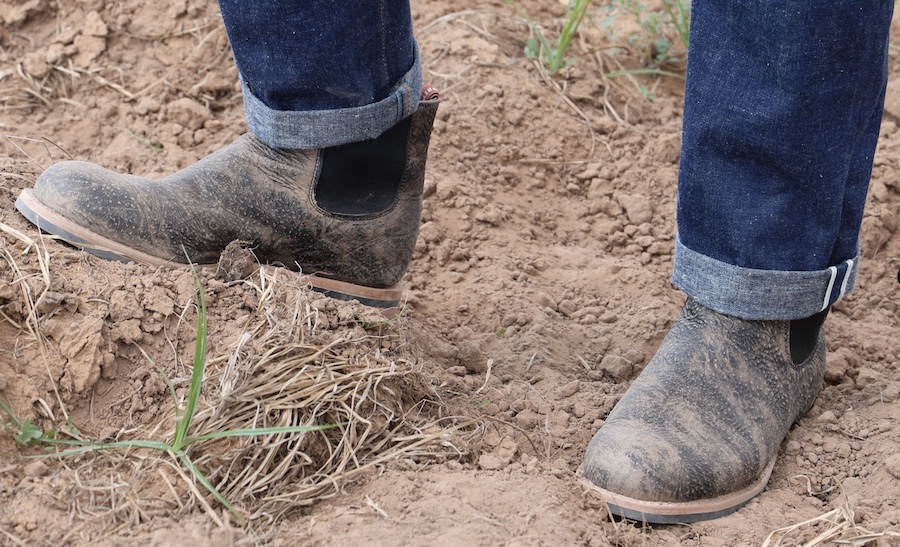
The boots use quality leathers (U.S. hides, tanned in Mexico in a Chromexcel style), and the construction is solid, though not every boot is stitchdown (like my bison leather Chelseas, which are Goodyear welted) .
“My model is the Contractor, really good boots made with hides from the USA,” says Diego. “I think it’s the brand to keep in mind if you want something affordable and good quality.”
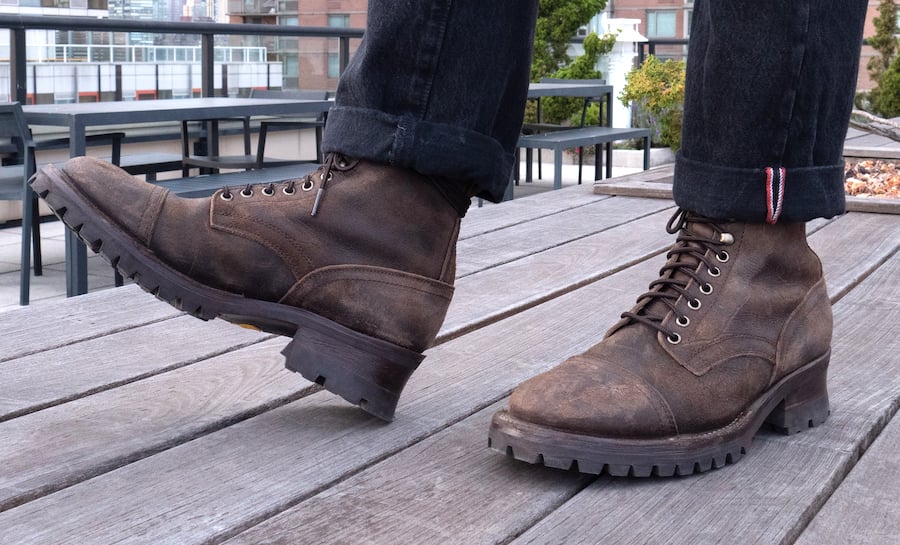
Perhaps the most extreme example of a not-PNW PNW boot is Thursday’s Challenger.
A brand best known for their inexpensive city boots, they decided to up their game (“Challenge” themselves, get it?) by releasing their Black Label Collection in 2024.
The Black Label boots aren’t all Pacific Northwest boots — the idea is rather that they’re made in a more “premium” fashion than Thursday’s earlier models — but the Challenger is 100 percent designed to compete as a Pacific Northwest boot.
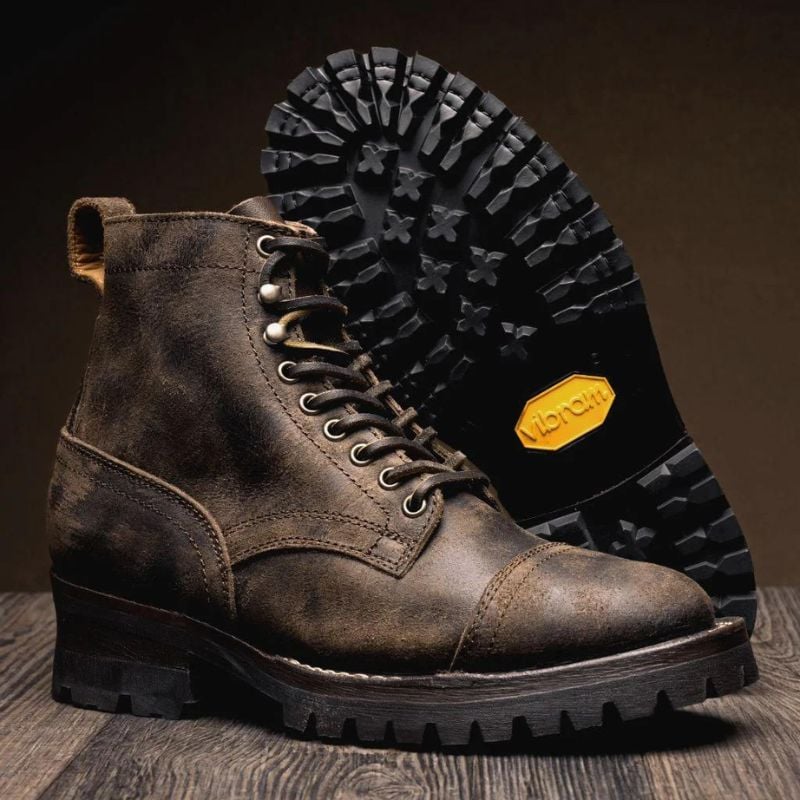
Rare leathers from world-class tanneries, a chunky sole, stacked leather Woodsman heel, and laborious stitchdown construction for under $400.
Thursday’s bestsellers are made for comfort above all else, but that means they use some materials (like shock absorbing foam) that are antithetical to the PNW boot.
But the Challenger only uses leather internal components, thick leathers from industry leading tanneries, double row stitchdown construction (with more stitches per inch than my Urban Loggers), and a big ol’ PNW heel.
It’s all the PNW you want at the made-in-Mexico price of $349. And look, if you’re new to this space and not sure you want to shell out for the Big Name brands (and their interminable lead times), Thursday is always the brand to get.
That wraps up our look at the tree-stump-littered landscape of Pacific Northwest boot brands. We worked off our industry knowledge and our list of all the American-made boot brands, but if we missed anyone that deserves to be here, let me know in the comments or via e-mail. (I’m sure, at least, that there are more overseas brands mimicking this style.)
Thanks to to Urban Lad and Kudusole, a.k.a. Diego and Tom, for lending their expertise and letting me sample their boot collection.

By day: Manhattan-based journalist with reporting experience on four continents, published in Vice, Men's Health, Popular Science, and a bunch of other places.

by Nick English
Founded in 2018 to help men buy the best boots, we’ve since expanded our team and purview to review and celebrate casual footwear and menswear that’s as close to “buy it for life” quality as possible. We take great pride in being a trusted source for information while maintaining complete editorial independence. At no extra cost to you, we might earn a commission from a brand when you purchase through our links, which helps us keep our mission alive. Learn More
Casual Durable™.
Yup, we even trademarked it. Just because you’re dressed down, doesn’t mean you have to dress bad.
This site started to help guys find the best boots for their dollar and has since expanded to cover the highest quality casual menswear, from leather jackets to selvedge jeans to canvas bags — the kind of simple, fashionproof classics that help you get dressed without overthinking your “style.” Read more
Subscribe for an exclusive article to help you find the best deals on quality footwear.